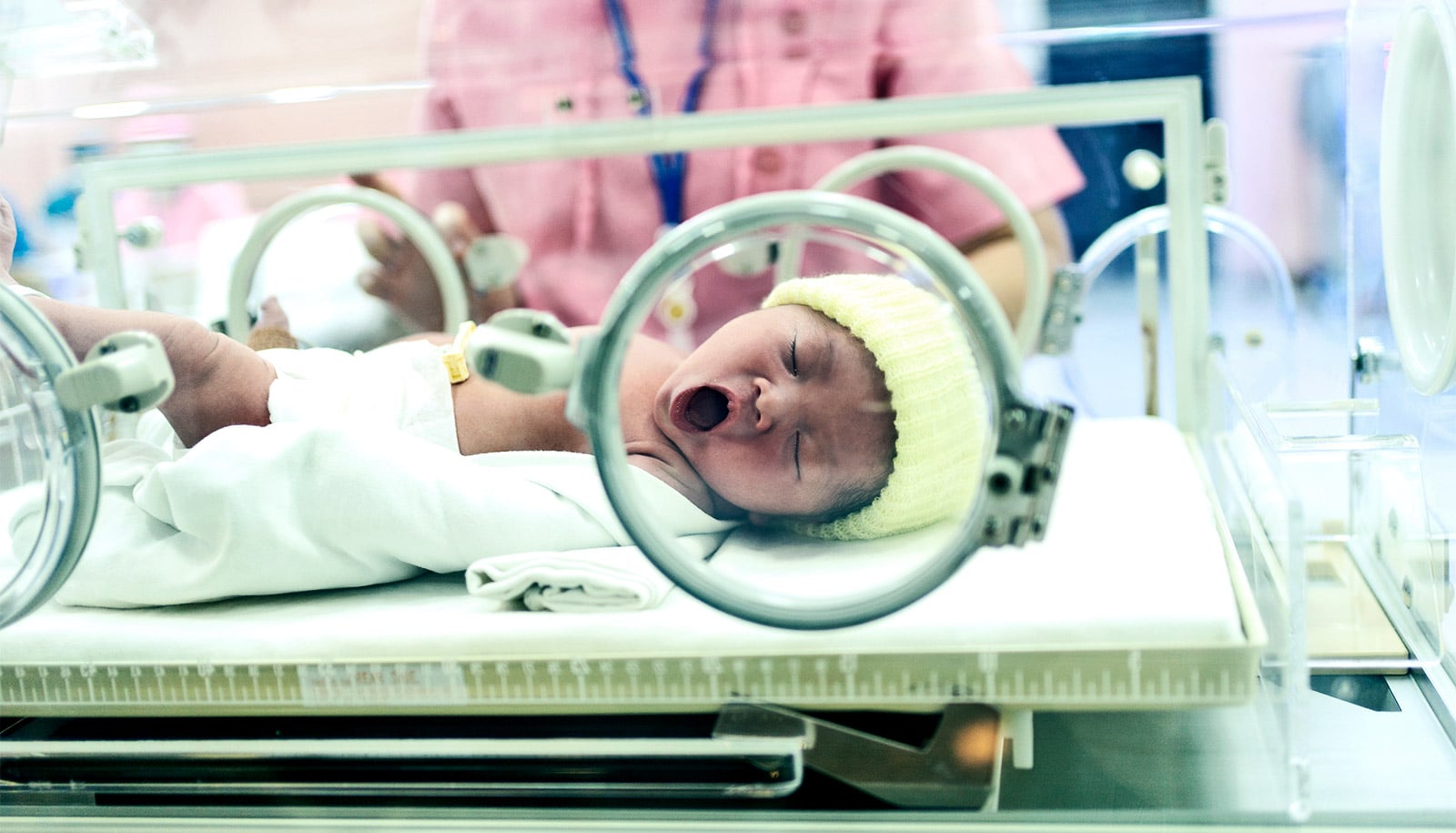
Lower Income Linked to Worse Birth Outcomes for US Babies
The first breath of a newborn is typically heralded as a triumph of biology, yet for millions of American families, that moment is fraught with systemic risks. Fresh longitudinal data reveals that the financial stability of a household acts as a primary determinant of neonatal health, with lower-income families facing a widening gap in birth outcomes that transcends simple access to medical care.
Key Clinical Takeaways:
- Low-income mothers (below 200% of the federal poverty level) experience significantly higher rates of preterm births and lower average birthweights.
- The prevalence of low birthweight among low-income families rose from 7.2% in 2012 to 9.4% in 2022, while higher-income families saw only a marginal increase.
- Social determinants, specifically chronic stress related to housing and food insecurity, are identified as drivers of biological malfunction during pregnancy.
A comprehensive study published in JAMA Pediatrics has provided a stark clinical mapping of how income inequality manifests in the delivery room. Analyzing 380,000 births across the United States between 2012 and 2022, researchers identified a persistent and, in some metrics, worsening disparity in newborn health. The study, funded by grants from the National Institutes of Health (NIH), establishes a direct link between household income and the physiological state of the neonate at birth.
The Biological Toll of Financial Instability
The research indicates that approximately 37% of the mothers in the study were classified as low-income, defined as living below 200% of the federal poverty level. For these women, the data showed worse outcomes across nearly every clinical metric of newborn health. This includes a higher incidence of preterm births—deliveries occurring before 37 weeks of gestation—and a marked increase in low birthweight infants.
While many health disparities remained consistent over the decade, the rise in low birthweight among lower-income families is particularly alarming. In 2012, the rate stood at 7.2%, climbing to 9.4% by 2022. In contrast, the rate for higher-income mothers moved only slightly from 5.7% to 6.3%. This divergence suggests that the environmental pressures facing the lowest earners are intensifying, directly impacting fetal development.
The pathogenesis of these outcomes is not merely a lack of prenatal vitamins or missed check-ups. Sociologist Megan Reynolds, a coauthor of the study from the University of Utah, posits that the stress of financial hardship “gets under the skin,” triggering systemic bodily malfunctions. Chronic cortisol elevation and the psychological burden of worrying about housing and food access create a physiological environment that can compromise pregnancy duration and fetal growth. This suggests that the morbidity associated with low birthweight is a symptom of a broader socio-economic pathology.
For families navigating these high-risk pregnancies, immediate clinical intervention is vital. To mitigate the risks of preterm labor and fetal growth restriction, expectant mothers should be under the care of board-certified obstetricians who specialize in high-risk maternal-fetal medicine to ensure the highest standard of care.
The Crisis of Data Blindness: The PRAMS Shutdown
The ability to track these trends relies heavily on the Center for Disease Control’s Pregnancy Risk Assessment Monitoring System (PRAMS). Since the 1980s, PRAMS has served as a critical epidemiological tool, capturing the nuances of the circumstances surrounding birth. However, the clinical community is now facing a significant data void; in the spring of 2025, the CDC PRAMS office was shuttered indefinitely.
The loss of this dataset is a critical blow to public health surveillance. Without PRAMS, clinicians and policymakers lose the ability to identify which specific demographics are sliding further into health instability. As noted by the researchers, PRAMS is one of the only datasets capable of capturing the intersection of birth outcomes and the lived circumstances of the mother. The disappearance of this tool threatens to mask the growing disparities in infant health, making it harder to deploy targeted interventions where they are most needed.
When babies are born preterm or underweight, they face an elevated risk of lifelong developmental challenges and acute neonatal illness. These infants require highly specialized, immediate care to survive and thrive. Families in these situations are urged to coordinate with specialized neonatal care providers to manage the complex needs of premature infants, including respiratory support and nutritional optimization.
Social Policy as Clinical Intervention
The findings in JAMA Pediatrics challenge the traditional medical model that views health disparities as a failure of healthcare delivery. The authors argue that healthcare access explains only a small fraction of these disparities. Instead, the study advocates for a “social-policy-as-health-policy” philosophy, suggesting that anti-poverty measures are, in effect, medical interventions.
The broader context of this crisis is reflected in national data. Approximately 50 million Americans live with household incomes below 125% of the poverty threshold, including more than 15 million children. In certain regions, the disparity is even more pronounced; for instance, data from Texas indicates that while the overall poverty rate has decreased over the last decade, one in five children still lives in poverty, leaving them at a higher risk than any other age group.
Addressing the “under the skin” effects of poverty requires a multidisciplinary approach. Clinical care must be paired with robust social support to address the root causes of maternal stress. This integration often requires the expertise of licensed clinical social workers and patient advocates who can bridge the gap between the clinic and the community, ensuring that food security and stable housing are treated as essential components of the prenatal care plan.
“Moms are exposed to all kinds of conditions that affect their health before they even get to a doctor. Worrying about housing, food access—the stress from financial hardship gets under the skin and causes the body to malfunction.”
Future Trajectories in Neonatal Equity
The widening gap in low birthweight is a sentinel event for American public health. It signals that current social safety nets—such as food assistance and income support—are either insufficient or inconsistently applied across state lines. As we move further into 2026, the medical community must acknowledge that the clinical outcome of a birth is often decided months before the patient enters the hospital.
The trajectory of infant health in the United States will depend on whether the healthcare system can evolve to treat poverty as a clinical risk factor. By integrating social determinants into the standard of care, providers can move beyond treating the symptoms of poverty and commence addressing the systemic causes of neonatal morbidity. For those seeking to implement these integrated care models or for patients requiring comprehensive support, accessing vetted, multidisciplinary providers through our professional directory is the first step in closing the justice gap in maternal health.
Disclaimer: The information provided in this article is for educational and scientific communication purposes only and does not constitute medical advice. Always consult with a qualified healthcare provider regarding any medical condition, diagnosis, or treatment plan.