
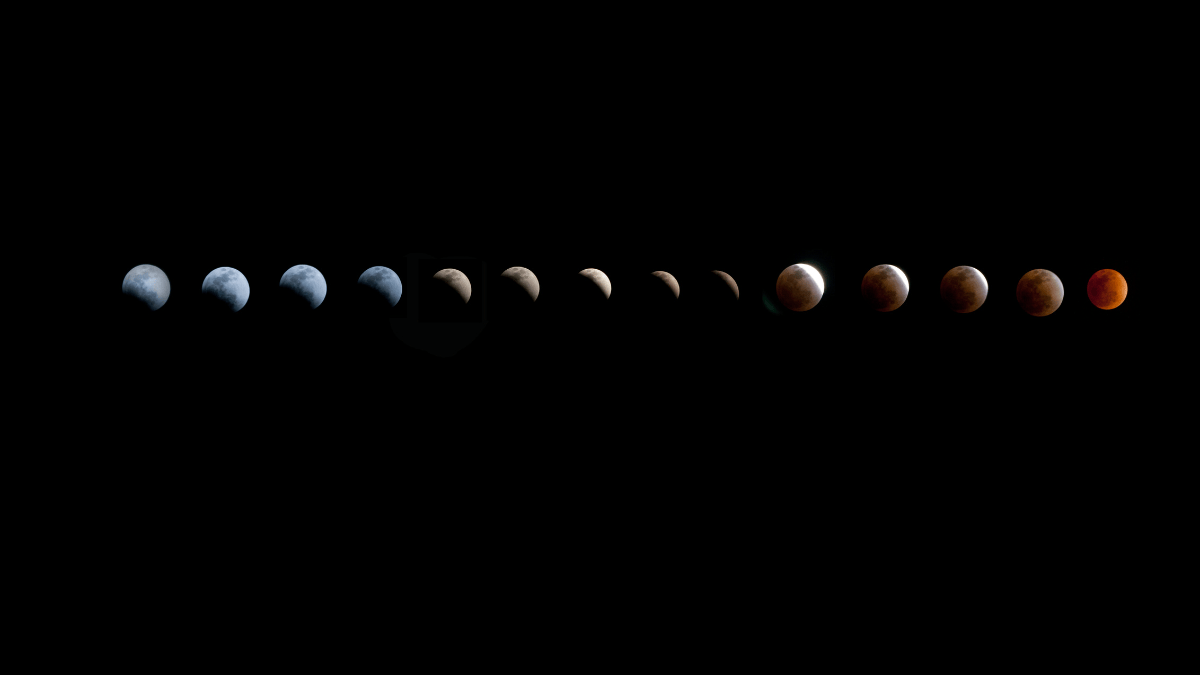
Total Lunar Eclipse to Grace Skies March 14, 2025 – A Longer-Than-Usual Viewing Opportunity
Skywatchers are poised to witness a total lunar eclipse on the night of March 14, 2025, an event promising a especially extended period of totality. the eclipse, occurring when the Earth passes directly between the Sun and Moon, casting a shadow on our lunar neighbor, will be visible across North and South America, and parts of Europe and Africa. Experts predict a longer duration of the total eclipse phase compared to recent events, offering an remarkable viewing experience for astronomy enthusiasts and casual observers alike.
Lunar eclipses happen when the Sun, Earth, and Moon align, with the Earth blocking the SunS light. Unlike solar eclipses, lunar eclipses are safe to view with the naked eye and require no special equipment. The March 14th eclipse is significant not only for its extended totality-lasting over an hour-but also as a highlight of the 2025 astronomical calendar, which also features several supermoons and meteor showers. This event provides a unique opportunity to observe the subtle color changes of the Moon as it passes through Earth’s shadow, often appearing a reddish hue due to the scattering of sunlight.
The alignment necessary for an eclipse to occur is a precise celestial dance. As NASA explains, the Earth’s shadow is divided into two parts: the umbra, which is the dark central portion, and the penumbra, which is the lighter, outer portion. During a total lunar eclipse, the Moon passes entirely through the umbra.The upcoming eclipse is part of a series of lunar events scheduled throughout 2025, detailed in the complete astronomical calendar available at https://www.nsctotal.com.br/noticias/calendario-astronomico-2025-as-datas-da-superluas-eclipses-e-chuvas-de-meteoro.
