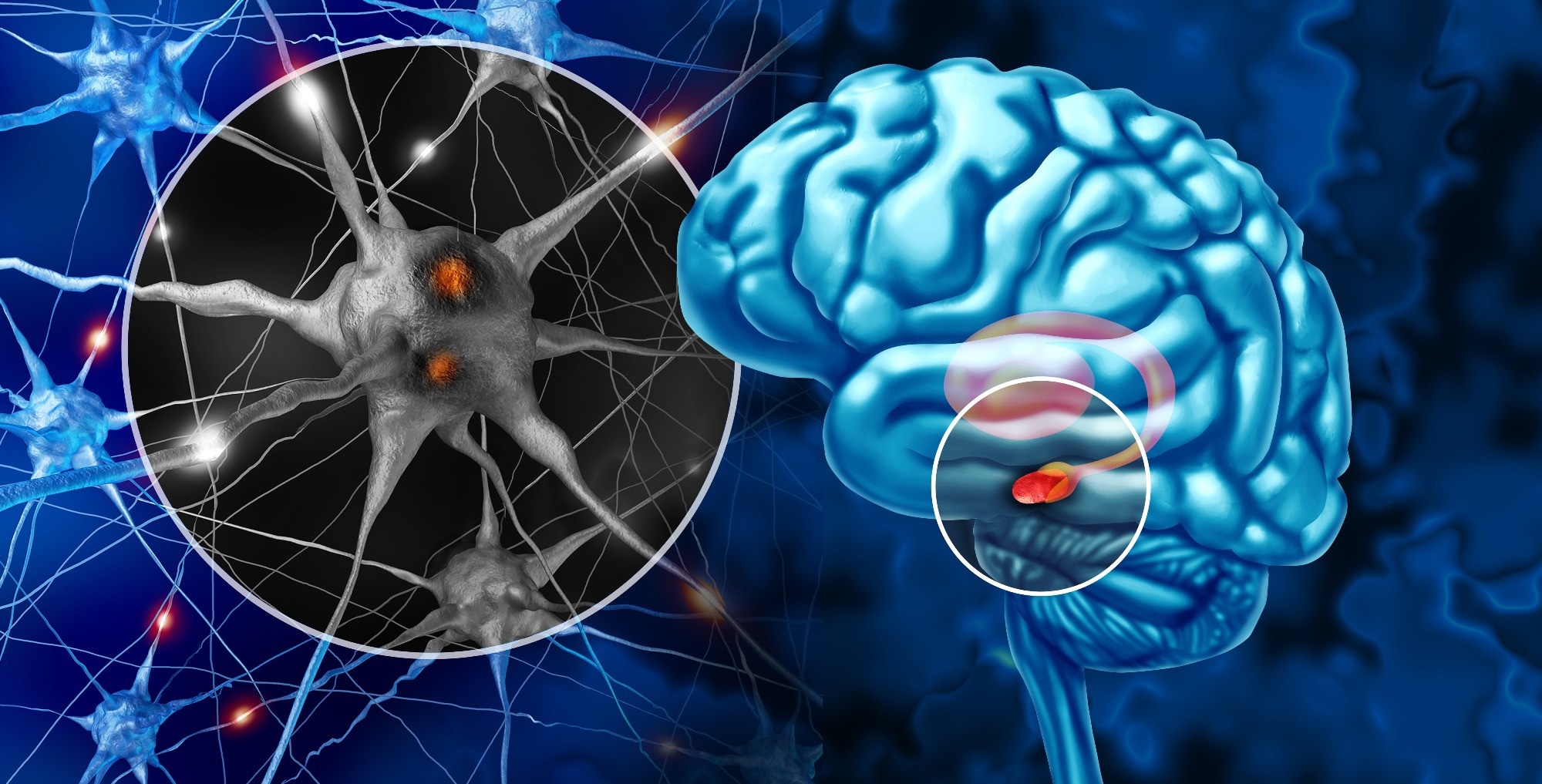
Link Between Poor Sleep Quality and Increased Parkinson’s Risk
Chronic sleep deprivation and poor sleep quality significantly increase the risk of developing Parkinson’s disease, according to clinical research highlighting the link between sleep architecture and neurodegeneration. The data suggests that insufficient sleep disrupts the brain’s ability to clear metabolic waste, specifically alpha-synuclein proteins, which are hallmarks of the disease’s pathogenesis.
- Key Clinical Takeaways:
- Short sleep duration and low sleep quality correlate with higher Parkinson’s risk.
- Sleep impairment interferes with the glymphatic system’s removal of neurotoxic proteins.
- Early identification of sleep disturbances may serve as a critical prodromal marker for neurological screening.
The relationship between sleep and neurological health is not merely correlative but biological. In the healthy brain, the glymphatic system acts as a waste-clearance mechanism, flushing out toxins during deep non-rapid eye movement (NREM) sleep. When sleep is truncated or fragmented, this process fails, leading to the accumulation of misfolded proteins. For those at risk, this failure accelerates the morbidity associated with dopaminergic neuron loss in the substantia nigra.
Research published via PubMed and cited by News-Medical indicates that the risk is most pronounced in individuals who consistently report fewer than six hours of sleep per night. This deficit creates a bidirectional relationship: poor sleep increases the risk of Parkinson’s, and the early stages of the disease often manifest as sleep disorders, such as REM Sleep Behavior Disorder (RBD). This creates a clinical gap where sleep issues are often dismissed as stress or aging rather than recognized as potential early indicators of a neurodegenerative process.
How Sleep Deprivation Accelerates Protein Aggregation
The primary mechanism of action involves the buildup of alpha-synuclein. According to the World Health Organization, Parkinson’s is characterized by the presence of Lewy bodies, which are clumps of these proteins. During deep sleep, the interstitial space in the brain increases, allowing cerebrospinal fluid to wash away these aggregates. Short sleep cycles prevent the brain from reaching the necessary stages of slow-wave sleep required for this “molecular cleaning.”
This failure of clearance is a critical regulatory hurdle in preventative neurology. Because these protein aggregates can begin forming years before the onset of motor tremors or rigidity, sleep quality serves as a vital biometric. Patients experiencing chronic insomnia or fragmented sleep patterns should not rely solely on over-the-counter sedatives, which can further disrupt sleep architecture. Instead, it is highly recommended to consult with [Relevant Sleep Specialist/Neurologist] to undergo a formal polysomnography and assess for prodromal Parkinson’s markers.
What Does the Epidemiological Data Reveal?
Longitudinal studies have shown that the risk is not distributed evenly across all sleep-deprived populations. The correlation is strongest when poor sleep quality is paired with short duration. A person may sleep eight hours but experience low-quality, fragmented sleep, which still triggers an elevated risk profile. Conversely, those who maintain high sleep efficiency despite shorter durations show a slightly lower risk, though still higher than those with optimal sleep hygiene.
“The glymphatic system is essentially the brain’s plumbing. When we cut sleep short, we are effectively clogging the pipes, allowing neurotoxic proteins to pool and eventually trigger the inflammatory cascade that kills dopamine-producing neurons.”
The funding for much of this foundational research typically stems from national health institutes and neurological foundations focused on aging. By analyzing large cohorts, researchers have identified that sleep disturbances often precede motor symptoms by a decade or more. This timeline provides a window for intervention that was previously unrecognized in the standard of care.
Integrating Sleep Diagnostics into Preventative Care
The shift toward identifying “prodromal” phases of Parkinson’s requires a change in how primary care providers approach sleep. Rather than treating insomnia as a standalone symptom, clinicians are beginning to view it as a potential neurological red flag. This necessitates a multidisciplinary approach involving sleep labs and movement disorder specialists.
For healthcare organizations and clinics, the integration of advanced sleep tracking and AI-driven analysis of sleep architecture is becoming a priority. Medical facilities are increasingly partnering with [Diagnostic Imaging Centers/Neurological Labs] to combine sleep data with DaTscan imaging to catch the disease in its earliest, most treatable stages. This B2B integration allows for a more seamless transition from a general sleep complaint to a specialized neurological workup.
The Future of Sleep-Based Neuroprotection
Current clinical trajectories are moving toward “sleep-first” neuroprotective strategies. While there is currently no cure for Parkinson’s, optimizing sleep hygiene may slow the rate of protein aggregation. The goal is to move from reactive treatment—treating the tremor—to proactive prevention—preserving the neuron.

As research continues to refine the link between the glymphatic system and alpha-synuclein, the medical community is likely to see more rigorous guidelines on sleep as a pillar of brain health, similar to how blood pressure is viewed in cardiovascular health. For those concerned about their genetic predisposition or current sleep patterns, seeking a vetted [Neurological Consultation Service] is the most effective way to establish a baseline and monitor for early changes in brain health.
Disclaimer: The information provided in this article is for educational and scientific communication purposes only and does not constitute medical advice. Always consult with a qualified healthcare provider regarding any medical condition, diagnosis, or treatment plan.