
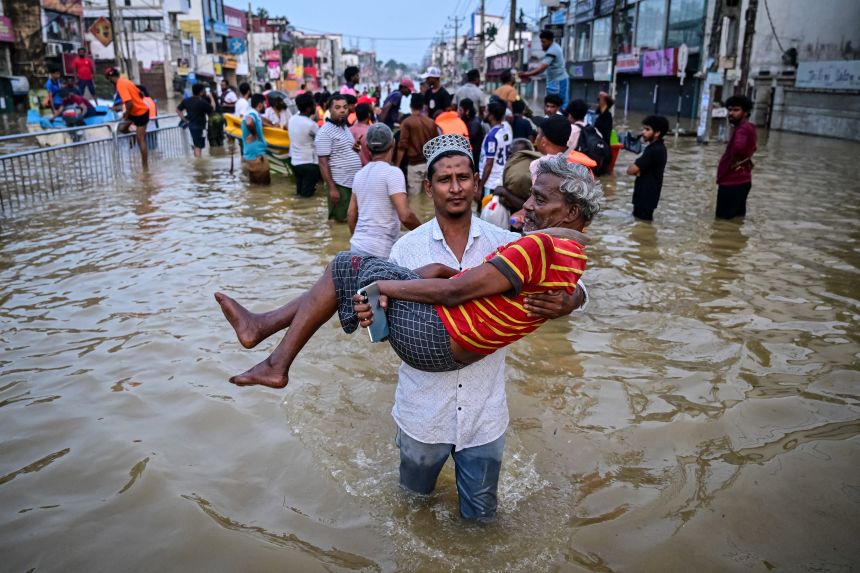
Across Asia, devastating cyclones and unusually intense monsoon rains have triggered widespread flooding and landslides, resulting in a mounting death toll and leaving millions vulnerable.Sri Lanka is notably hard-hit, with the confirmed fatalities reaching 410 and 336 people still missing, according to the country’s Disaster Management Center. Thailand is also grappling with severe flooding, prompting residents to compare the scale of the disaster to the 2004 Indian Ocean tsunami.
The extreme weather events underscore the increasing vulnerability of the region to climate change,with experts warning of more frequent and severe weather patterns. The immediate focus is on rescue efforts and providing humanitarian aid to affected communities, but the long-term challenge lies in bolstering infrastructure and implementing disaster preparedness measures to mitigate the impact of future climate-related disasters.
Military helicopters and ships from neighboring India have been deployed to assist in rescue operations and deliver essential supplies,India’s foreign affairs ministry announced Monday. The Indian Air Force has already rescued nationals from Sri Lanka, India, Germany, Slovenia, the United Kingdom, South Africa, Poland, Belarus, Iran, Australia, Pakistan, and Bangladesh.
In a rare display of cooperation, Pakistan, a traditional rival of India, has also dispatched a military team to aid in rescue efforts in Sri Lanka, according to Islamabad’s National Disaster Management Authority.
Back in Thailand,residents like Suthi are facing the daunting task of rebuilding their lives. “It was never this severe,” Suthi said. “but this year, everyone is saying the same thing: it was like a tsunami.”
CNN’s Sophia Saifi in Islamabad and Esha Mitra in New Delhi contributed reporting.
