
larissa Waters Leads the Greens: New Direction?
CANBERRA – may 3, 2024 – In a significant move, the Australian Greens have appointed Larissa Waters as their new leader. Waters’ election follows Adam Bandt’s recent electoral defeat and marks a pivotal moment for the party. Having served 15 years in parliament and holding multiple positions she will face early tests while leading with “heart,” so the future of the party looks promising.
Larissa Waters: The Greens’ New Leader and Her “Constructive” approach
A New Chapter for the Australian Greens
Following Adam Bandt’s unexpected defeat in his own seat during the May 3 election, the Australian Greens have elected Larissa Waters as their new leader. Waters, 48, is the fifth person to lead the party, succeeding Bob Brown, Christine Milne, Richard Di Natale, and Bandt. Her election marks a pivotal moment for the Greens as they navigate the political landscape after a challenging election.
The Earring Activist: subtle Statements, Powerful Messages
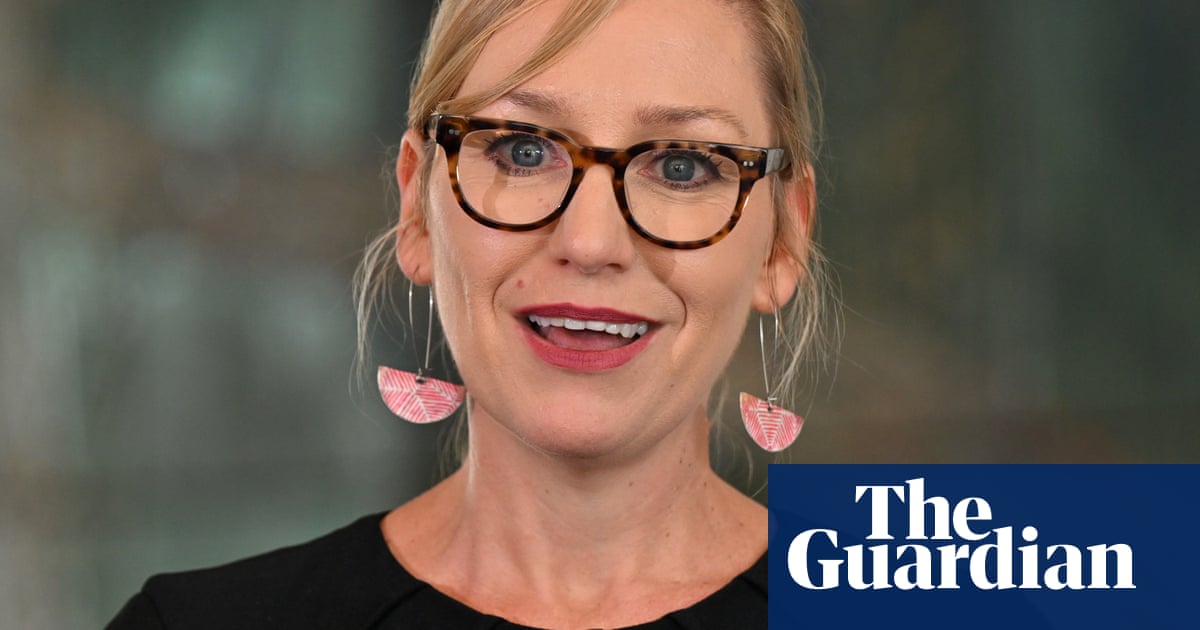
Larissa Waters is known for her distinctive approach to political expression. She often uses themed earrings to highlight her views on various issues. From the “Stop Adani” coalmine campaign to the ongoing fight for reproductive rights, Waters’ choice of accessories serves as a subtle yet pointed form of defiance.
Did You Know?
Waters’ earring activism is not just about making a statement; it’s a conversation starter. Her accessories often draw attention to critical issues, prompting discussions and raising awareness.
The Leadership Race and Waters’ Unanimous Victory
Before the party room vote in Melbourne, social activist Mehreen Faruqi and environmentalist Sarah Hanson-Young were considered potential contenders for the leadership. However, Waters, described as far lower-profile but less polarizing, was elected unopposed and unanimously by the Greens’ 12 federal parliamentarians. Waters has served in parliament for 15 years, holding positions as co-deputy leader and leader in the upper house.
A Reluctant Leader with a Pragmatic Approach
Party insiders reveal that waters never actively sought power and only agreed to run for leadership at the urging of others. Described by colleagues as smart,warm,and amiable,she is seen as a politician who can unite people. Labor counterparts describe her as pragmatic,a quality that will be crucial as the Greens rebuild after the election.
“Firm but Constructive”: A New Direction?
The first signs of Waters’ approach were evident in the party-issued press release announcing her leadership. The statement emphasized a “Progressive Parliament with politics of heart” and outlined a “firm but constructive” approach. This reference to “constructive” suggests a potential shift from the hardline tactics previously adopted in negotiations with labor,notably on housing.
Elevating Environmental and Women’s Issues
Waters’ background as an environmental lawyer and her recent role as the Greens’ chief advocate for women suggest that these areas will likely receive increased attention under her leadership. However, it would be a misunderstanding to expect a radical departure from the Greens’ established positions.
Greens’ Viewpoint on the Election Results
The public postmortem of the party’s campaign has largely been conducted by critics, including labor and right-wing lobby group Advance, who attribute the Greens’ loss of three lower seats to a rejection of their “extreme” positions, particularly on Gaza. Though, the Greens do not accept this narrative. Insiders point to the party’s national vote, which at 12.01% is down less than 0.2%, as evidence that their support remains strong.
Pro Tip
Understanding the nuances of election results requires looking beyond surface-level narratives. Factors such as boundary redraws and shifts in voter demographics can significantly impact outcomes.
Challenges Ahead: Navigating labor’s Agenda
The Albanese government’s strong election win will likely embolden it to pressure the Greens to support its agenda or risk being labeled as “blockers.” How Waters and the Greens manage the expectations of progressive voters who want Labor to be pushed but not obstructed will be crucial in the early stages of her leadership.
The Greens hold the sole balance of power in the upper house when Labor seeks to bypass the Coalition, placing them in a potentially powerful position.
The First test: Environmental Policy
The environment will be an early test for waters’ leadership. Labor is keen to revive plans for a federal environment protection agency, which stalled in the previous term. The Greens will face pressure to accept whatever model Labor proposes, irrespective of its strength. Similar pressure will arise when Labor finalizes a 2035 emissions reduction target.
While Waters has vowed to lead with “heart,” she is unlikely to compromise on core principles.
