Larger EV Battery Subsidies: Why Nickel-Based Electric Cars Need Government Support
The Indonesian government is restructuring its electric vehicle (EV) subsidy framework to prioritize nickel-based battery technology, a strategic move designed to bolster national energy sovereignty and reduce the fiscal strain of fuel imports. This shift forces automotive manufacturers to recalibrate their regional product roadmaps, specifically addressing the growing tension between pure battery electric vehicle (BEV) incentives and the established hybrid market.
For global automotive OEMs, the regulatory landscape in Southeast Asia is shifting beneath their feet. The administration’s pivot toward nickel-centric incentives is not merely an environmental play; We see a calculated attempt to leverage Indonesia’s vast mineral wealth to insulate the national economy from global oil price volatility. By tying subsidies directly to nickel-based battery chemistry, Jakarta is attempting to bridge the gap between raw material exploitation and high-value industrial manufacturing. This creates an immediate fiscal challenge for manufacturers whose current supply chains or product lineups lean heavily on alternative chemistries or hybrid configurations.
As these policy shifts emerge, corporations are increasingly turning to government relations and public affairs firms to ensure their long-term capital expenditures align with the evolving regulatory requirements of the Indonesian market.
The Strategic Pivot Toward Energy Sovereignty
The driving force behind this subsidy overhaul is the pursuit of energy sovereignty. Indonesia’s current reliance on fuel imports represents a significant macroeconomic vulnerability. By accelerating the adoption of EVs—specifically those utilizing domestic nickel—the government aims to transform a fuel import dependency into a domestic value-added industry. This transition is particularly urgent for regions facing chronic fuel instability, such as Asmat, where the lack of reliable fuel access makes the deployment of electric mobility a matter of critical infrastructure necessity rather than a luxury of urban decarbonization.
The logic is clear: control the mineral, control the battery, and control the energy security of the state. However, this “nickel-first” mandate creates a bifurcated market. Manufacturers who have invested heavily in non-nickel battery technologies may find themselves facing a significant competitive disadvantage as the 2026 fiscal year approaches.
Toyota has indicated support for the plan to provide larger incentives for nickel-based electric vehicles, though the company has also emphasized the significant role that hybrid vehicles play in the broader mission of reducing pollution.
A Growing Divide Between BEVs and Hybrids
The upcoming 2026 incentive structure has surfaced a fundamental disagreement within the automotive industry regarding the most efficient path to decarbonization. While the government appears to be narrowing its focus to pure BEVs to maximize the impact of the nickel value chain, major players like Toyota are pointing toward the logistical and environmental benefits of hybrid technology. The core of the contention lies in whether the subsidy framework should reward immediate pollution reduction through hybrids or long-term structural shifts through pure electrification.
Current indications suggest that the 2026 EV incentives may overlook hybrid vehicles entirely. This exclusion could disrupt the momentum of manufacturers who have utilized hybrids as a bridge technology to transition consumers toward full electrification. For these companies, the sudden narrowing of the subsidy window necessitates a rapid reassessment of their local assembly and battery sourcing strategies.
This regulatory volatility requires sophisticated risk management. Companies are frequently engaging regulatory compliance consultants to model the impact of these subsidy changes on their projected regional margins and to ensure that their manufacturing processes meet the specific technical criteria required to qualify for the new, larger incentives.
- Mineral Integration: Directing capital toward domestic nickel-based supply chains to secure maximum government subsidies.
- Import Mitigation: Utilizing EV adoption as a macro-economic tool to decrease the national outflow of foreign exchange used for fuel imports.
- Regional Resilience: Addressing fuel shortages in remote areas by deploying electric transport solutions that bypass traditional fuel logistics.
Navigating the New Battery Economy
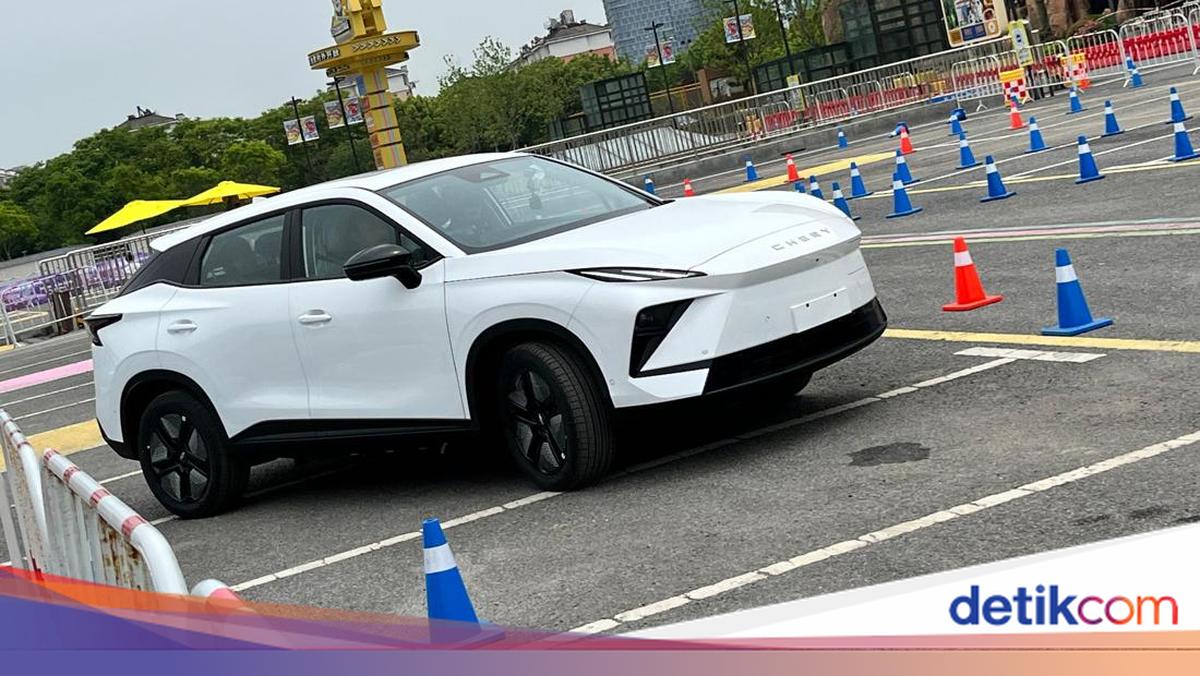
The implications for players like Chery and other emerging EV brands are substantial. The decision to tie the highest tier of subsidies to specific battery chemistries means that “one size fits all” global platforms may no longer be viable in the Indonesian market. Manufacturers must now decide whether to localize battery production to meet the nickel-based requirements or to accept thinner margins on non-compliant models.

This is no longer just a question of vehicle design; it is a question of supply chain architecture. The winners in this new era will be those who can most effectively integrate their manufacturing cycles with Indonesia’s domestic mineral output. The complexity of this integration often requires the expertise of logistics and supply chain specialists to manage the flow of raw materials and the subsequent assembly of high-value battery components.
As the 2026 fiscal cycle approaches, the automotive sector is entering a period of intense strategic realignment. The Indonesian government’s move to prioritize nickel-based EVs is a clear signal that the era of generic electrification is ending, replaced by a more granular, resource-driven approach to industrial policy. For investors and manufacturers alike, the ability to navigate this mineral-centric regulatory environment will be the primary determinant of market share in one of the world’s most critical emerging economies.
To stay ahead of these structural shifts, industry leaders should utilize the World Today News Directory to identify and vet the specialized B2B partners necessary for navigating complex regulatory and supply chain transitions.