La Bola Negra Revives Abandoned Burgos Village Castil de Carrias
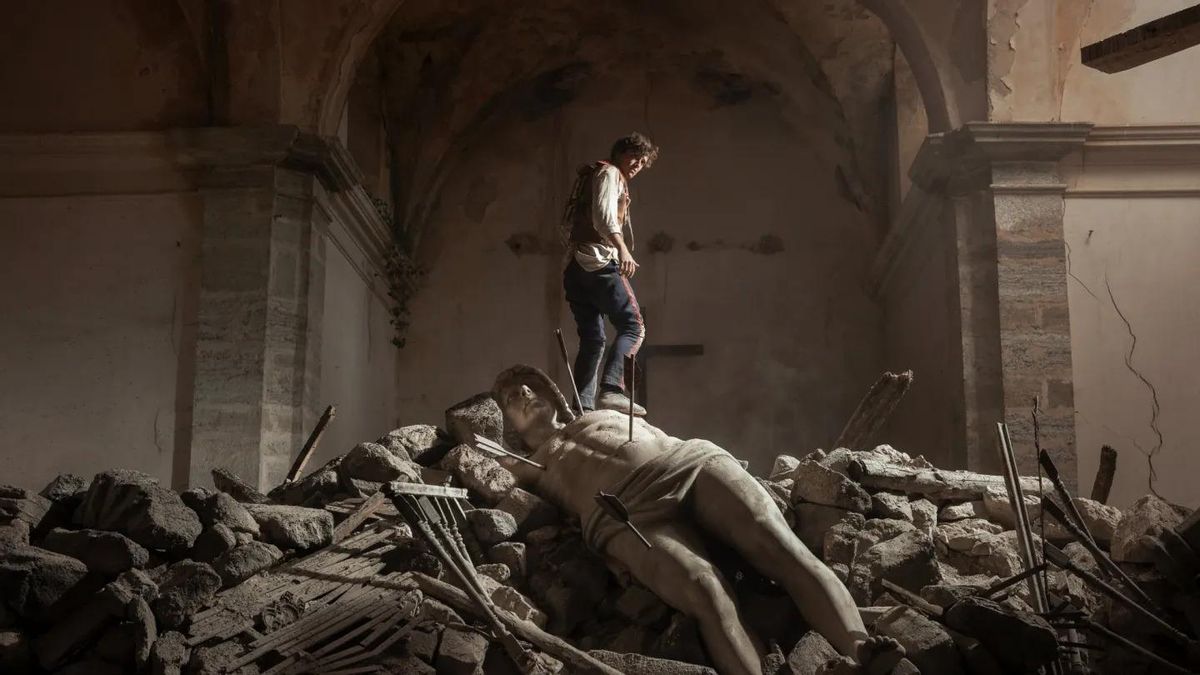
Castil de Carrias, an uninhabited village in the Spanish province of Burgos, serves as the opening shooting location for the feature film La bola negra, directed by Los Javis. The film features a small village bombed by mistake during the Spanish Civil War, utilizing the real, empty ruins of Castil de Carrias instead of a constructed set. The story specifically begins in this location for the character Sebastián.
How Castil de Carrias Became a Film Set
The production utilized the deserted streets, empty houses, and ruined church of Castil de Carrias to capture a setting destroyed in 1936. Clara Salvador, head of locations for the film, explained to Condé Nast Traveler that the team decided to search for a half-ruined village where they could build additional elements just to destroy them with bombs. The location work supported a hand-crafted approach, with the movie shot in 35 millimeters to achieve a classical aesthetic.
La bola negra has drawn over six million viewers in Spain and secured selection as the country’s official entry in the non-English language category at the Academy Awards. The narrative opens in the Burgos settlement, bringing renewed attention to a site that has sat vacant for decades.
Decades of Depopulation in Burgos
Castil de Carrias stood entirely empty of permanent residents for over thirty years following the 1994 death of its final inhabitant, Florentino González Sáez. González Sáez previously noted that a primary driver of the local exodus was a persistent lack of water.
Demographic records show the village held 178 registered residents in 1950. That figure dropped to 59 people by 1970, and fell to a single resident by 1981, who remained on site alone until passing away in 1994. Positioned on a high hill surrounded by green meadows, the location now sits along a 22-kilometer hiking route crossing through other abandoned settlements like Loranquillo and Quintanilla. This hiking route also passes the old Crimidesa mine in Cerezo, the Tirón River, and the San Vitores convent in Fresno de Rio Tirón, with the area highlighted especially in autumn. Among the notable ruined structures is the uninhabited Santa María church, which serves as the location for one of the early main scenes.