
Kurds in Syria: A complex Role in the Ongoing Conflict
the Kurds are a distinct ethnic group with deep historical roots in the Near East, tracing ancestry back to groups like the ancient Medes, an Indo-Aryan people. For centuries, they have inhabited kurdistan, a mountainous region spanning parts of modern-day eastern Turkey, northeastern Syria, northern Iraq, and northwestern Iran, historically under the control of empires like the Persians and Ottomans. Today, the global Kurdish population is estimated between 40 and 45 million, with the largest concentration – around 15 million - residing in Turkey. Notable kurdish communities also exist in Iran (approximately 12 million), Iraq (over 8 million), and Syria (around 3 million), alongside a substantial diaspora, including roughly 1.5 million in Europe,primarily Germany.
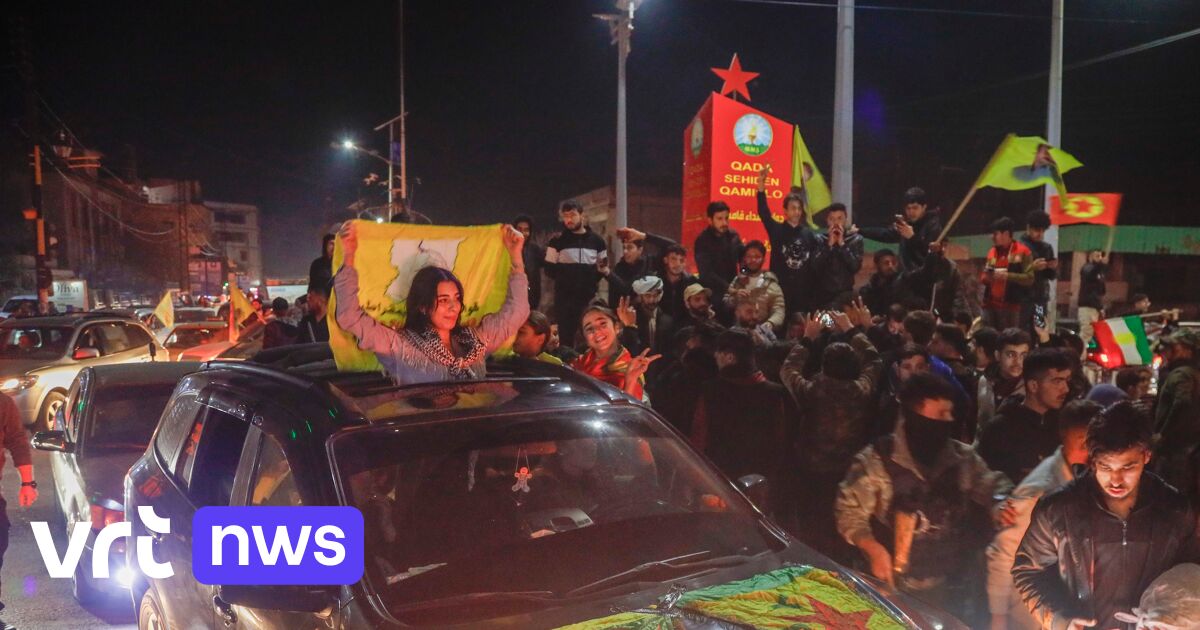
within the context of the syrian Civil War, the Kurdish population has played a multifaceted and often precarious role. Taking advantage of the power vacuum created by the conflict,Kurdish groups established an autonomous administration in northeastern Syria known as Rojava. This region has been characterized by efforts to build a secular and democratic society. Crucially, Kurdish fighters where integrated into the Syrian army, contributing to the defense of the nation.
Furthermore, kurdish forces were instrumental in combating the Islamic State (IS), receiving support from the United States in this effort.Despite expressions of support for Kurdish aspirations from Western nations, Turkey views Kurdish militias with deep suspicion, considering them linked to the Kurdistan Workers’ Party (PKK), a designated terrorist institution. Since 2016, Turkey has launched military operations within Syria, targeting Kurdish-held territories and backing various rebel groups opposed to Kurdish autonomy. This ongoing conflict continues to shape the complex political landscape of Syria and the future of its Kurdish population.
