Key Findings of the Ketogenic Diet’s Role in Intestinal Tumorigenesis
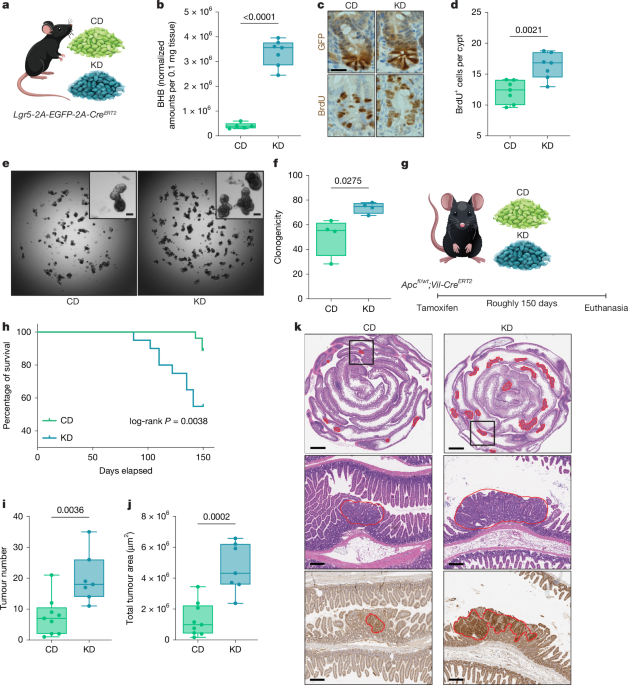
A recent study published in Nature by researchers at the Whitehead Institute for Biomedical Research identifies that the ketogenic diet, while popular for metabolic management, may accelerate intestinal tumorigenesis in mice through the accumulation of dietary lipids rather than the absence of ketones. The research clarifies the pathogenesis of tumor growth in the gut, suggesting that specific lipid intake—rather than the metabolic state of ketosis—drives the proliferation of intestinal stem cells and potential malignancy.
Key Clinical Takeaways:
- High-fat ketogenic diets may trigger intestinal tumor growth by altering the lipid profile of the gut environment.
- The observed tumorigenesis is linked to dietary lipid intake, specifically independent of the ketone bodies typically associated with the diet.
- Clinical application of ketogenic protocols for patients with a history of gastrointestinal neoplasia requires increased vigilance and potential endoscopic screening.
Uncoupling Ketosis from Lipid-Driven Pathogenesis
For years, the clinical community has debated the systemic effects of the ketogenic diet, often focusing on the role of ketone bodies such as beta-hydroxybutyrate. This latest research, led by Dr. Peter Reddien and his team at the Whitehead Institute, challenges the prevailing focus on ketone metabolic signaling. By utilizing mouse models, the investigators observed that the high-fat composition of the diet, rather than the shift in cellular energy substrate, creates a microenvironment conducive to the expansion of intestinal stem cells.
The study highlights that these lipid-driven changes significantly alter the intestinal epithelium. In models predisposed to intestinal tumors, the high-fat intake led to a marked increase in tumor burden. This finding represents a critical shift in how clinicians should perceive the metabolic risks associated with dietary interventions. For patients currently utilizing high-fat therapeutic diets for epilepsy or metabolic syndrome, these results suggest that the gastrointestinal tract may be more sensitive to lipid-induced hyperplasia than previously understood.
Diagnostic Considerations and Risk Stratification
The epidemiological implications of this research are significant for practitioners managing patients with high-risk genetic profiles for colorectal cancer. If dietary lipids are the primary drivers of this tumorigenesis, patients with pre-existing adenomatous polyps or a family history of malignancy may face increased morbidity under a standard ketogenic regimen.
Current clinical protocols for patients undergoing significant dietary changes often lack a baseline assessment of intestinal health. It is now imperative for gastroenterology units and metabolic clinics to integrate more robust screening measures. Patients considering intensive dietary modifications should seek guidance from [Board-Certified Gastroenterologists] to establish a baseline for intestinal health through colonoscopy or fecal immunochemical testing prior to initiating high-fat nutritional protocols.
Mechanistic Insights and Funding Transparency
The research, supported by funding from the National Institutes of Health (NIH) and the Whitehead Institute, provides a granular look at how lipid metabolism influences cellular replication. By separating the effects of lipids from the state of ketosis, the authors have isolated a specific pathway that may be actionable for future pharmacological interventions.
Dr. David Sabatini, a co-author on the study, noted that the impact of high-fat intake on the gut stem cell niche is more direct than previously modeled. The study utilized high-resolution imaging and transcriptomic analysis to verify that the expansion of the stem cell population was directly correlated with the concentration of dietary fats reaching the intestinal lining. This mechanistic clarity is essential for clinicians who must balance the neurological or metabolic benefits of the ketogenic diet against the potential for intestinal epithelial dysfunction.
Clinical Triage and Future Directions
As the scientific consensus shifts toward a more nuanced view of high-fat diets, the medical community must adapt its approach to patient safety. The risk of promoting tumorigenesis must be weighed against the therapeutic efficacy of the diet in other domains. For those managing patients with chronic metabolic conditions, conducting a thorough risk-benefit analysis is essential.
Practitioners should prioritize ongoing monitoring for patients who remain on these diets for extended periods. This includes coordinating care with [Registered Dietitians specializing in Oncology] to ensure that lipid quality is managed and that early warning signs of intestinal distress are identified. Furthermore, for clinics managing large cohorts on ketogenic protocols, consulting with [Healthcare Compliance Experts] regarding the documentation of informed consent for potential long-term gastrointestinal risks is a prudent step in modern medical practice.
The trajectory of this research suggests that future clinical trials will need to isolate the specific types of fats that trigger this tumorigenic response, potentially allowing for “safer” ketogenic formulations that minimize intestinal risk while maintaining metabolic benefits. Until such data emerges, clinicians are advised to maintain a high index of suspicion regarding the gastrointestinal health of their patients on restrictive, high-fat diets.
Disclaimer: The information provided in this article is for educational and scientific communication purposes only and does not constitute medical advice. Always consult with a qualified healthcare provider regarding any medical condition, diagnosis, or treatment plan.