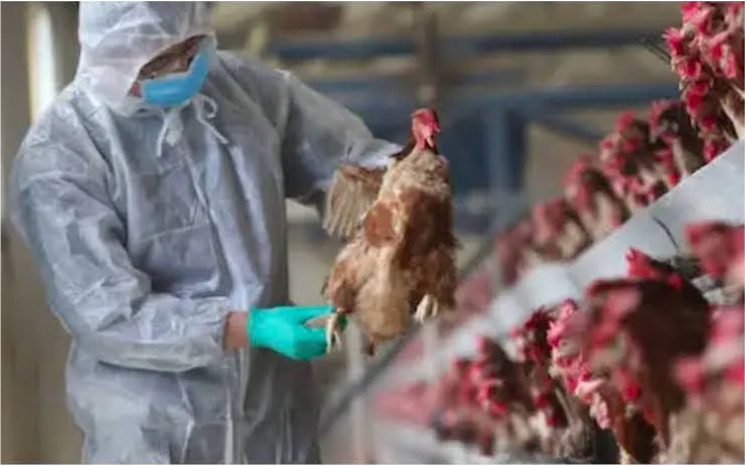
New Human Case of Bird Flu Reported in Cambodia
Health authorities in Cambodia have confirmed a new human case of avian influenza A(H5N1), marking a continuing trend of zoonotic spillover that has prompted heightened surveillance across Southeast Asia. The detection, reported in mid-July 2026, involves a patient currently receiving clinical care while public health teams conduct contact tracing to mitigate the risk of community transmission.
Key Clinical Takeaways:
- Avian influenza A(H5N1) remains a high-pathogenicity virus with a significant mortality risk in human populations.
- Clinical management relies on early administration of neuraminidase inhibitors, which are most effective when initiated within 48 hours of symptom onset.
- Public health intervention currently focuses on isolating the source of infection—typically direct contact with infected poultry—and preventing sustained human-to-human transmission.
Epidemiological Context and Pathogenesis of H5N1
The H5N1 virus is a highly pathogenic avian influenza strain that primarily circulates among wild birds and domestic poultry. Human infections are considered sporadic, typically resulting from direct physical contact with infected animals or contaminated environments. Once the virus crosses the species barrier, it targets the human respiratory tract, often leading to severe lower respiratory tract disease and systemic inflammatory responses.
According to data from the World Health Organization (WHO), while the virus does not easily transmit between humans, the high case-fatality rate associated with H5N1 requires rigorous monitoring of any zoonotic event. The current clinical standard of care for suspect cases involves immediate testing via real-time reverse transcription-polymerase chain reaction (rRT-PCR) to confirm the presence of viral RNA in nasopharyngeal or oropharyngeal swabs.
Clinical Triage and Diagnostic Priorities
For individuals residing in or traveling through endemic regions, the appearance of acute respiratory distress—characterized by high fever, cough, and rapid oxygen desaturation—necessitates immediate medical evaluation. Patients presenting with these symptoms should prioritize centers equipped for respiratory isolation and rapid viral testing.
For those managing chronic respiratory health or seeking preventative care, it is essential to consult with board-certified infectious disease specialists who can provide localized guidance on exposure risks and vaccination status. Early diagnostic intervention is the primary determinant in preventing the progression from mild respiratory distress to systemic multi-organ failure.
Managing Zoonotic Risks in Clinical Settings
The resurgence of H5N1 cases highlights a systemic gap in rural health infrastructure, where early warning systems for poultry outbreaks are often decoupled from human health reporting. Epidemiologists note that the key to curbing morbidity lies in the “One Health” approach, which integrates veterinary oversight with human clinical surveillance.
“The primary clinical challenge remains the delay in seeking care,” notes Dr. Aris Katz, an infectious disease researcher specializing in zoonotic viral vectors. “When patients present after the initial window of viral replication has peaked, the efficacy of antiviral interventions such as oseltamivir is significantly diminished.”
For healthcare facilities and diagnostic laboratories operating in regions with active viral circulation, maintaining a robust supply chain for Personal Protective Equipment (PPE) and diagnostic reagents is critical. Organizations requiring assistance with clinical compliance, biosafety protocols, or emergency infectious disease planning should engage with specialized healthcare consulting firms to ensure operational readiness.
Diagnostic and Treatment Protocols
Clinicians treating suspected H5N1 cases follow guidelines established by the Centers for Disease Control and Prevention (CDC). These protocols emphasize:
- Prompt Antiviral Therapy: Initiation of neuraminidase inhibitors (e.g., oseltamivir) without waiting for laboratory confirmation if clinical suspicion is high.
- Supportive Care: Early use of supplemental oxygen and, if necessary, mechanical ventilation for patients exhibiting signs of acute respiratory distress syndrome (ARDS).
- Contact Tracing: Identification and prophylactic monitoring of household and occupational contacts for at least 10 days post-exposure.
As the clinical situation in Cambodia evolves, the focus remains on local containment. The trajectory of this research, supported by ongoing international funding from global health initiatives, aims to improve the speed of vaccine development platforms—specifically mRNA-based candidates that can be rapidly adapted to shifting viral surface proteins.
For medical practitioners and facility administrators looking to bolster their diagnostic capabilities or coordinate with international health standards, connecting with vetted diagnostic centers and clinical networks is the recommended pathway to ensuring the highest standard of patient safety and public health compliance.
Disclaimer: The information provided in this article is for educational and scientific communication purposes only and does not constitute medical advice. Always consult with a qualified healthcare provider regarding any medical condition, diagnosis, or treatment plan.