
Ketamine Therapy Gains Traction as Potential Treatment for First Responder Mental Health, Despite Regulatory Hurdles
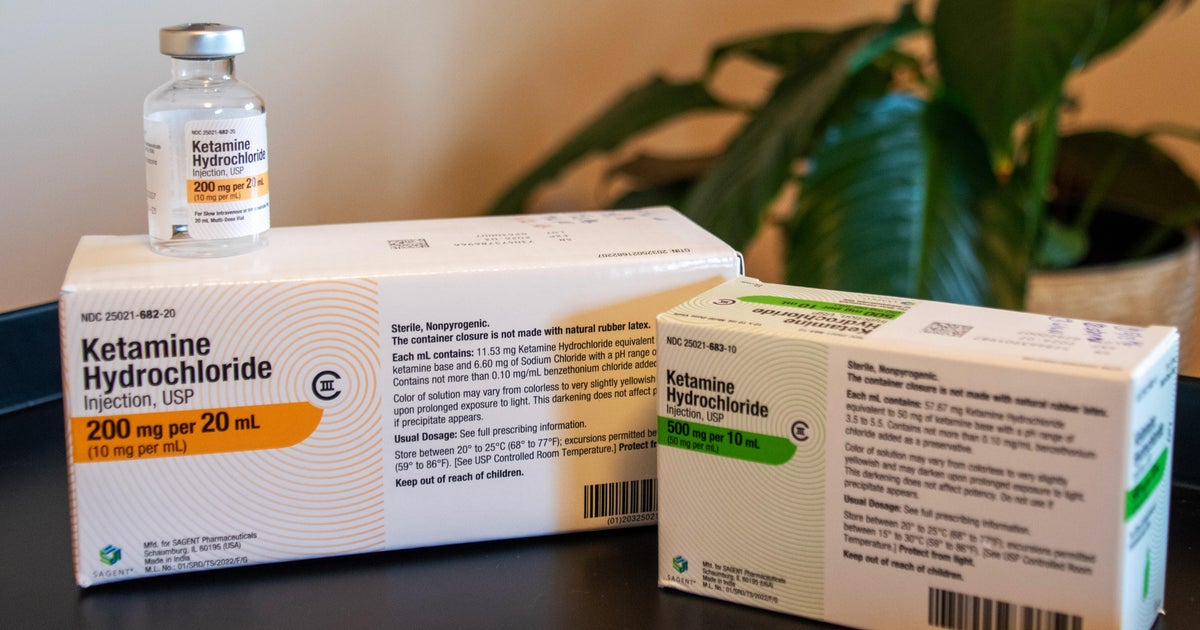
ASHEVILLE, N.C. - A growing number of first responders grappling with depression and post-traumatic stress disorder (PTSD) are turning to ketamine-assisted psychotherapy, a largely unregulated treatment showing promise but facing meaningful obstacles to wider acceptance. the therapy involves administering ketamine in a controlled medical setting alongside intensive talk therapy, aiming to unlock and process deeply buried trauma.
Officer Amy Shell, a 41-year-old member of a western North Carolina SWAT team, is among those who have sought the treatment. Shell stated that hurricane Helene’s devastating floods last year “pushed [her] over the edge,” prompting her to confront years of accumulated trauma from her career. “Some of the sessions were rough,” Shell said. “Things came up that I didn’t want to think about, that I’d buried during my entire career.” She described reliving disturbing images – a badly mangled car crash victim, a murder-suicide where a man killed his pregnant girlfriend before taking his own life – as “still pictures, like a surreal slideshow.”
as of early October, Shell had completed 12 ketamine sessions. While not a “sudden miraculous cure,” she reported improvements in her sleep, a reduction in the frequency of bad days, and better stress management. “And I smile more than I used to,” she added.
However, Shell initially hesitated to disclose her experience to colleagues due to the stigma surrounding mental health care within the “hard-charging police culture.” “I just didn’t want my peopel to think that I couldn’t handle the job,” she explained. “I didn’t want them to feel that I’m posing a risk to them.”
The perception of ketamine itself presents a challenge. Sherri Martin, national director of wellness services at the Fraternal Order of Police, which represents over 377,000 sworn law enforcement officers, noted that many officers associate ketamine with its use as an illegal street drug or a psychedelic. “So,when they are supposed to accept this as a treatment,that’s hard for them to grasp,” she said.
Currently, few police departments offer clear guidance on ketamine-assisted psychotherapy. Martin suggested that medically prescribed ketamine treatment should be viewed similarly to antidepressants.
Shell ultimately shared her story with supportive colleagues and now advocates for other officers to seek help. She believes addressing her mental health has made her a better and safer police officer. “It’s hard to help other people when you can’t take care of yourself,” she said.
