
Protecting Wild Birds from Cats: A Guide for Garden owners
BERLIN – May 3, 2024 – Millions of cats in germany roam outdoors, impacting local bird populations. This guide offers practical strategies for protecting wild birds from cats. By understanding the feline hunting instinct and implementing bird-friendly garden designs, both cat owners and bird enthusiasts can create a safer environment. Read on to learn how you can make a difference.
protecting Wild Birds from cats: A Guide for Garden and Cat Owners
Millions of domestic cats in Germany enjoy outdoor access, a delight that often clashes with the well-being of local wild birds.However, with thoughtful strategies, garden and cat owners can coexist, fostering an environment that protects our feathered friends.
Germany is home to nearly 16 million pet cats, alongside an estimated two million stray cats.These felines, whether pampered house pets or feral wanderers, share a deeply ingrained hunting instinct. Wild birds, regrettably, often become targets.
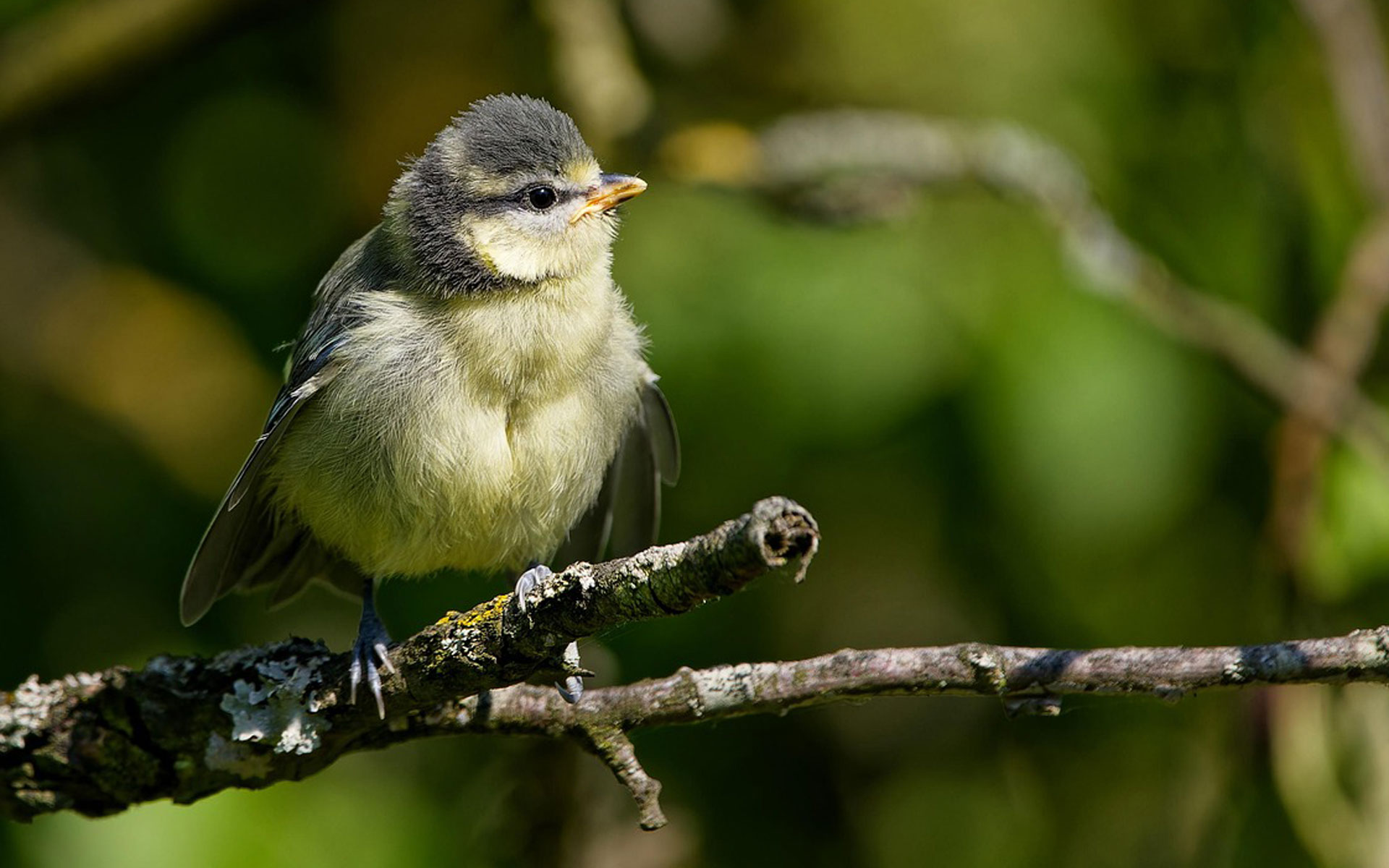
The spring and early summer months are particularly critical. During this breeding and rearing season, young, inexperienced birds are especially vulnerable. The mere presence of cats can induce significant stress in birds, forcing adult birds into risky detours and complicating their efforts to find food for their young.
Creating a Bird-Kind Garden: Keeping Cats at Bay
- Plant Dense Bushes and Trees: Design yoru garden with plenty of dense bushes such as blackthorn, hawthorn, sea buckthorn, or wild rose. These provide birds with secure hiding spots. Thorny bushes act as effective barriers against cats.
-
Avoid Short-Mown Lawns: According to the Naturschutzbund Deutschland (NABU), short lawns expose birds.
thrushes, finches, and starlings on a short-shorn lawn are like being served on a presentation plate, inviting cats to make prey.
Longer grass provides cover.
- Strategic Placement of Feeding Houses and Bird Baths: Position these at least 5 to 7 feet away from bushes or other climbing structures to prevent cats from ambushing birds.
- Secure Nesting Boxes: Attach nesting boxes in hard-to-reach locations, such as smooth facades or hanging from side branches, at least 7 feet above the ground.Boxes with steep, smooth roofs offer less grip for cats. Consider nesting boxes with marten protection, such as a stem in front of the entry hole, available at online shops like Vivara.
-
Cat Defense Belts for Trees: Protect nesting trees with metal or plastic cuffs (approximately 20 inches wide) around the trunk. However, the Foundation Pro Species Variety suggests,
The best thing is domestic thorny shrubs or blackberry tendrils and high-trunk trees that have no low branches usable for climbing.
-
Use Repellent Scents: Cats dislike certain smells. The NABU recommends scattering powder or planting the “
Piss-dich plant
” (Harfenstrauch) near nesting sites. This plant is said to deter cats within a radius of 6 to 16 feet, and is undetectable to the human nose.
Communication is key. Talk to your neighbors about bird protection.Request that cat owners keep their cats indoors during morning and dusk hours. If you spot a stray cat hunting, scare it away with water from a water gun or garden hose, ensuring you avoid causing any harm.
Understanding the Feline Hunting Instinct
While some believe cats hunt out of boredom,the primary driver is their innate hunting instinct,essential for survival in the wild. For well-fed domestic cats, hunting serves as a way to express their play and movement drives, contributing to their psychological well-being. suppressing this instinct is not a viable option.
What cat Owners Can Do to Protect Birds
Cat owners can take two significant steps to minimize the risk to wild birds:
- Engage in play: Provide ample opportunities for play and activity to allow the cat to express its hunting and play instincts.
- Restrict outdoor Access: Limit free-roaming, especially during the breeding season from April to July, and particularly during the evening and early morning hours, as advised by the Pro Biodiversity Foundation.
