
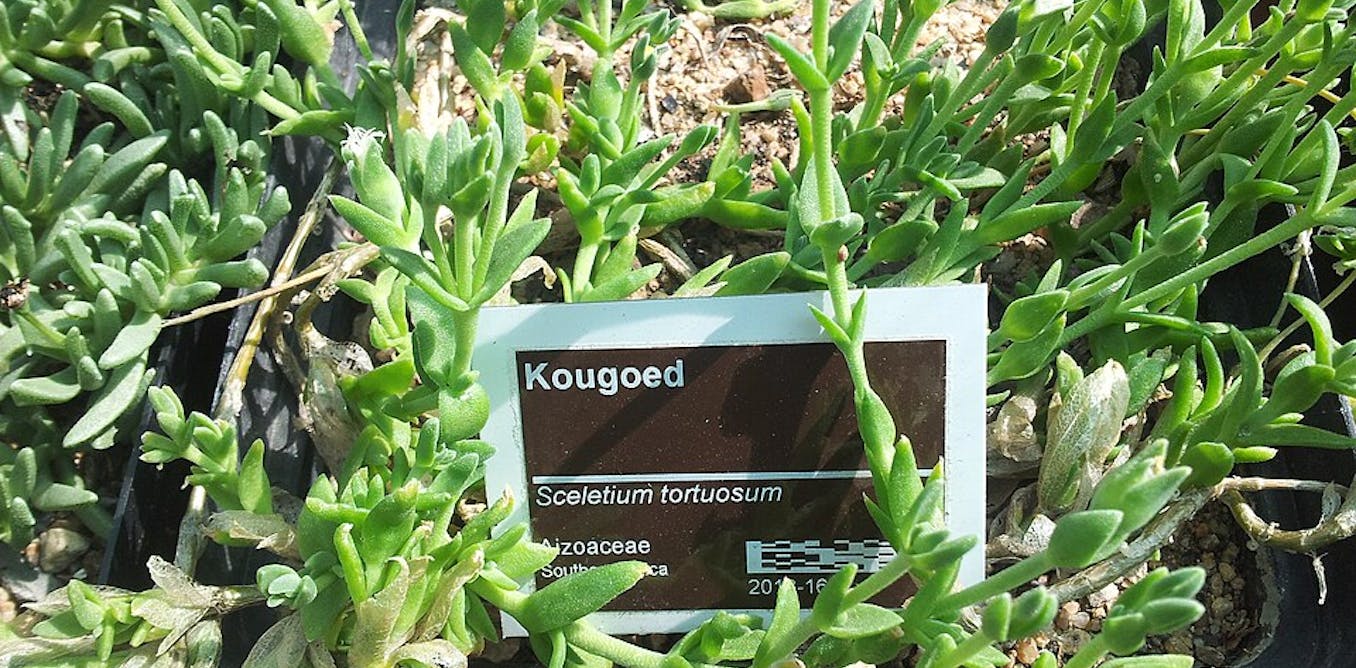
Kanna Plant Shows Promise for Mood & Stress Relief, New Mouse Study Reveals
CAPE TOWN, SOUTH AFRICA – A new study conducted by researchers in South Africa has revealed that extracts from the Sceletium tortuosum plant, commonly known as kanna, significantly alter brain chemistry in mice, suggesting potential for natural treatment of mood disorders and stress. The findings, published recently, pinpoint specific alkaloids beyond the well-studied mesembrine as key drivers of these effects.
For centuries, kanna has been used in customary South African medicine to improve mood and reduce anxiety. this new research provides a neurological basis for those traditional uses, demonstrating that kanna extracts impacted serotonin and dopamine levels in the mouse brain – neurotransmitters crucial for emotional well-being, motivation, and feelings of pleasure.Importantly, control extracts lacking these specific alkaloid profiles showed no such chemical changes.
The study focused on kanna harvested from the Touwsrivier and De Rust regions of South Africa. While both regions yield plants containing mesembrine, researchers discovered they are also rich in mesembrine alcohols and a minor alkaloid, sceletium A4 – compounds barely present in the control extracts. These differences in alkaloid composition are likely due to a combination of geographic, environmental, and genetic factors.”Our study showed that the plant extracts had a broad noradrenergic effect in mice,” researchers stated, while cautioning against direct extrapolation to humans. Further research is needed to explore the behavioral impacts of these extracts on sleep, alertness, and mood in both mice and humans.
The research team emphasizes the importance of understanding the complex chemical makeup of medicinal plants. “Without understanding the complex chemical composition of these plants, we risk overgeneralising their benefits, or worse, using them inappropriately,” they warned.
The findings point towards a future of “precision phytotherapy,” tailoring natural remedies based on specific plant “chemotypes” - variations in chemical composition – and perhaps even manipulating growing conditions to optimize alkaloid content, an “age-old art” according to researchers.
This research also underscores the vast, largely untapped potential of African medicinal plants for global health innovation, provided research combines scientific rigor with respect for indigenous knowledge.With the World Health Institution reporting a 25% increase in anxiety and depression worldwide since the start of the COVID-19 pandemic,the search for safer,more enduring mental health treatments is more urgent than ever. Kanna,researchers suggest,may hold valuable secrets worth rediscovering.
Further Reading:
Studies on Kanna
Africa’s Medicinal Plants
WHO Report on Anxiety & Depression
Precision Phytotherapy
