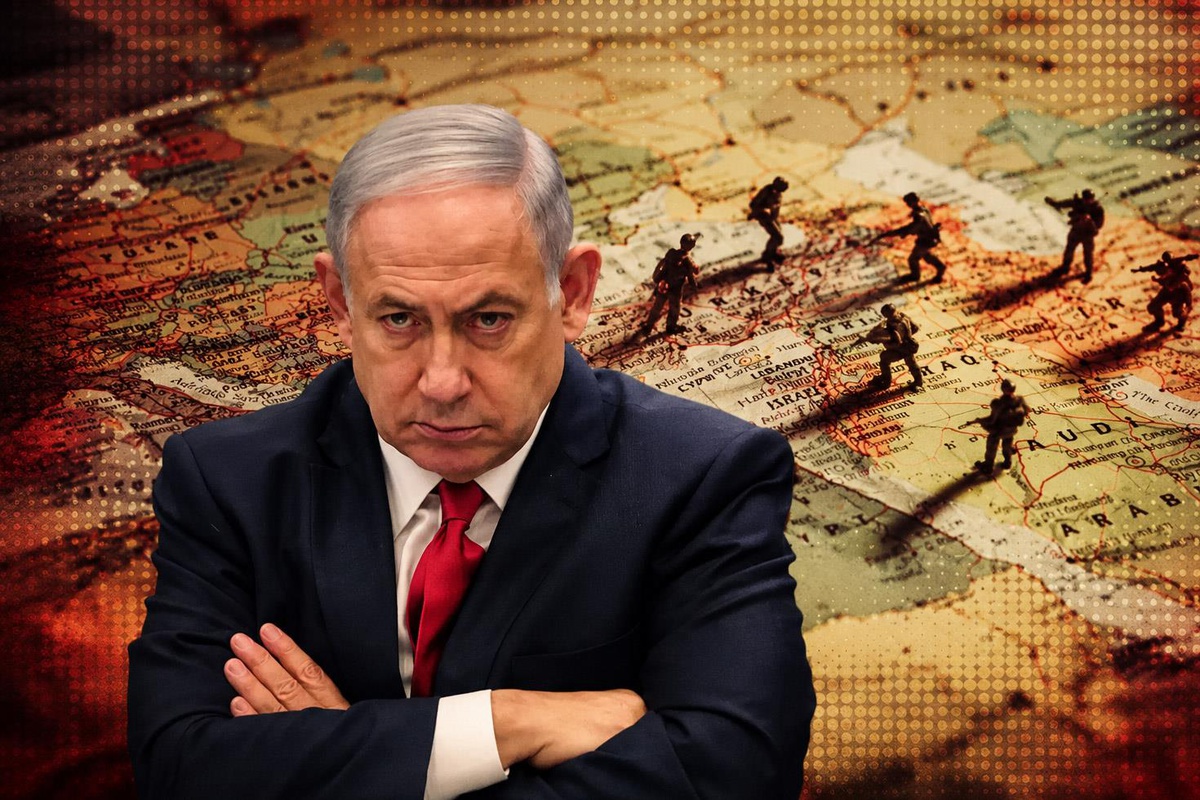
JPPI report lists Iran and Turkey as lead security threats to Israel
It was reported that despite the military and political backing of the United States, the Jerusalem-based institute's societal index reveals deep-seated concerns across the Israeli public and administration regarding regional actors.
Iran and Turkey Lead Security Threats to Israel
The JPPI report evaluates eight nations that generate acute security anxiety for Tel Aviv amid escalating Middle Eastern conflicts. Iran occupies the primary position as an immediate military risk, while Turkey follows closely in second place due to its diplomatic maneuvering, military posture, and expanding regional influence. Alongside Turkey, the roster of eight countries includes Lebanon, Qatar, Syria, Yemen, Egypt, and Saudi Arabia.
Israeli media coverage has specifically scrutinized the emergence of the Mecca Joint Defense Agreement between Turkey, Saudi Arabia, and Pakistan. Channel 14 analysis highlighted that Turkey has a developed defense industry and proven combat capabilities. Turkish defense and aerospace exports exceeded 10 billion dollars in 2025, with active defense projects surpassing 1,400.
Pakistan Nuclear Capabilities Bolster Turkish Strategic Positions
Israeli political commentator Tamir Morag addressed viewers on Channel 14 regarding potential Ankara-Islamabad alignment during regional crises. Morag drew attention to Pakistan’s nuclear capabilities, extensive manpower, and military experience as factors that could bolster Turkish strategic positions. The commentary noted that Turkish and Pakistani military backing for Saudi Arabia extends beyond the immediate conflict involving the Houthis.

Former Israeli intelligence chief Ami Ayalon proposed a Sunni state coalition led by Turkey and Saudi Arabia during an August 2012 interview with Charlie Rose. Ayalon argued that a unified front against Iranian-led Shiite influence represented the paramount strategic framework for Middle Eastern stability.
Turkish Defense Contractors Integrate into European Supply Chains
Makor Rishon published an analysis emphasizing that Turkish military output now operates with unprecedented velocity, executing major defense milestones in a fraction of traditional timelines. The Turkish Armed Forces utilize their strategic geography across the Black Sea and Eastern Mediterranean to anchor broader security architectures. European capitals increasingly integrate Turkish defense contractors into transnational supply chains.