Jonas Vingegaard Ignites Giro d’Italia GC Battle With Aggressive Attack
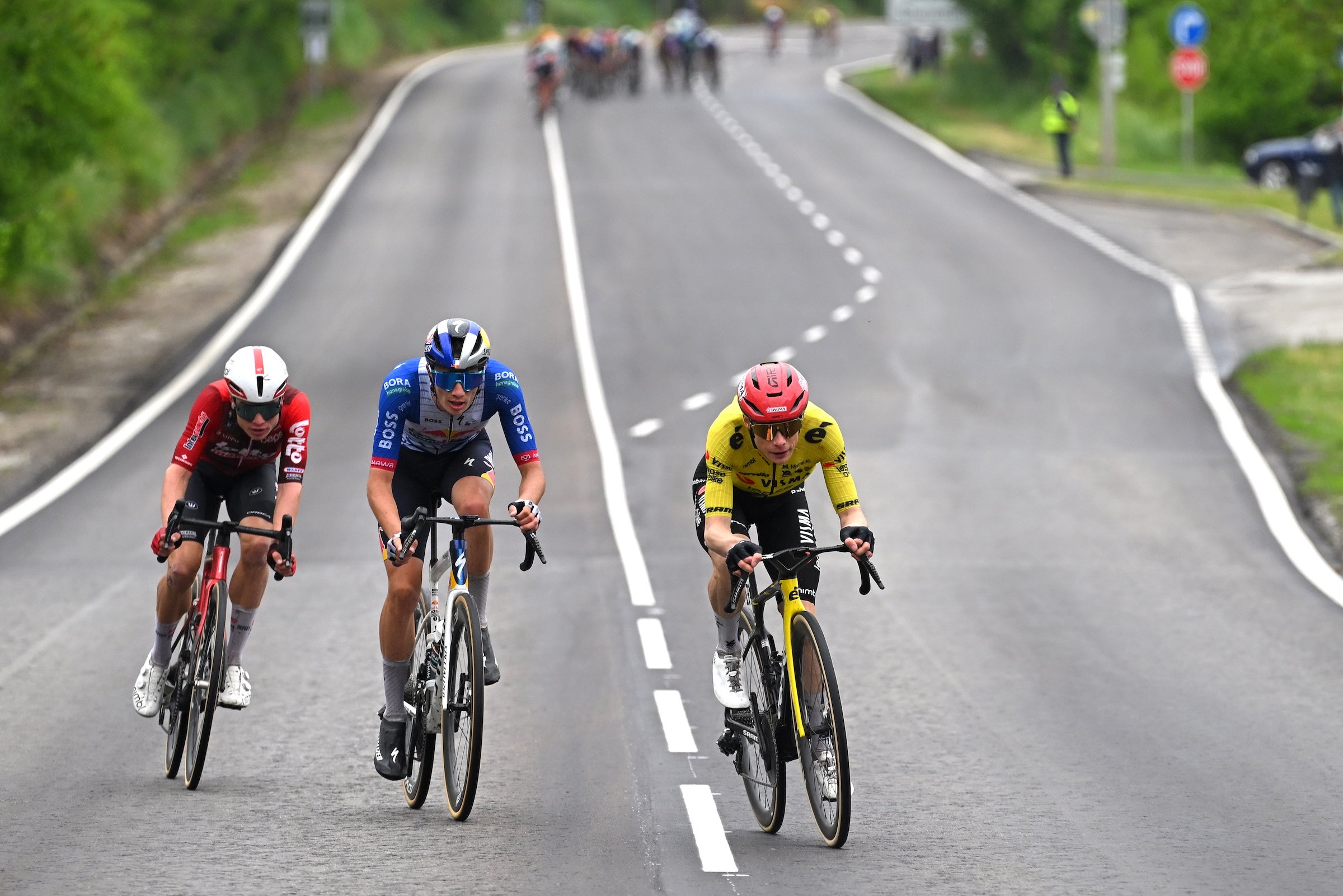
Jonas Vingegaard signaled his General Classification (GC) intent during Stage 2 of the 2026 Giro d’Italia, launching a violent attack on the Lyaskovets Monastery Pass. The Visma-Lease a Bike rider aimed to neutralize final-kilometer chaos, narrowly missing a stage win in Veliko Tarnovo.
The traditional blueprint for a Grand Tour favorite often involves a conservative approach in the opening week—minimizing risk, hiding in the peloton, and preserving glycogen stores for the high mountains. However, Vingegaard’s tactical pivot on Saturday suggests a shift toward a more aggressive, high-variance strategy. By blitzing the climb and forcing a selection, Vingegaard isn’t just chasing seconds; he is attempting to dismantle the psychological composure of his rivals early in the race.
The primary catalyst for this aggression was risk mitigation. As noted by Vingegaard, the objective was to “thin out the group significantly in order to avoid the dangers in the final kilometer.” In the high-velocity environment of a professional peloton, the final kilometer is often a lottery of positioning where a single mechanical failure or a misplaced shoulder can lead to a mass pile-up. For a GC contender, a crash in the first week isn’t just a physical setback; it is a mathematical catastrophe that can end a three-week campaign in a heartbeat.
The Biomechanics of the Lyaskovets Surge
Analyzing the raw physics of the attack reveals a calculated transition in power output. Vingegaard began with a seated acceleration, a move designed to stretch the elastic of the select peloton and force rivals to burn through their anaerobic reserves just to maintain contact. Once the gap began to yawn, he transitioned into a “violent surge,” shifting his center of gravity and increasing his cadence to crest the summit alone. This represents a textbook example of periodization in real-time—utilizing a specific power profile to isolate opponents who lack the same explosive recovery capacity.

“When a rider of Vingegaard’s caliber abandons the defensive shell this early, it forces every other GC captain to recalculate their wattage targets for the rest of the stage. You are no longer racing the clock; you are racing the fear of being left behind.”
The resulting gap was briefly contested by Giulio Pellizzari of Red Bull-Bora-Hansgrohe and Lennert Van Eetvelt of Lotto-Intermarché. This trio created a high-speed chase toward Veliko Tarnovo, but the tactical finessing and internal hesitations among the leaders allowed the momentum to flag. This hesitation opened the door for Jan Christen of UAE Emirates-XRG to bridge the gap with only one kilometer remaining, eventually allowing Thomas Silva of the XDS Astana Team to seize the victory.
While the stage win eluded him, the data point is clear: Vingegaard possesses the raw VAM (Vertical Ascent Meters) and the psychological appetite to dictate the race’s tempo. This approach mirrors the aggressive style often associated with Tadej Pogačar, moving away from the “diesel” climbing style of previous eras toward a more volatile, attack-oriented methodology.
The High Cost of High-Velocity Chaos
The “dangers” Vingegaard sought to avoid are the inherent occupational hazards of road racing. The sheer kinetic energy involved in a professional sprint finish means that any collision often results in complex fractures, traumatic brain injuries, or severe road rash. While elite professionals have immediate access to team doctors and world-class surgeons, the reality for the broader cycling community is far more precarious.
For amateur racers and youth athletes who emulate these professional tactics, a high-speed crash can be a career-ending event without proper intervention. Local athletes facing similar orthopedic trauma must prioritize immediate access to vetted sports medicine clinics and rehabilitation specialists to ensure a return to peak performance. The gap between a full recovery and permanent mobility loss often comes down to the quality of the early-stage physiotherapy and the precision of the surgical intervention.
Beyond the physical toll, the logistical footprint of the Giro d’Italia creates a massive economic surge for host cities like Veliko Tarnovo. The influx of thousands of fans, media crews, and team caravans places immense pressure on local infrastructure. This “halo effect” creates a temporary but intense demand for high-tier operational support. Local municipalities often find themselves scrambling to secure regional event security and premium hospitality vendors capable of managing the overflow of international visitors while maintaining the strict security perimeter required for a WorldTour event.
Strategic Implications for the GC Battle
Vingegaard’s willingness to attack suggests a high level of confidence in his current form and a potential lack of fear regarding his rivals’ immediate responses. By forcing the action, he puts the burden of the chase on other teams, effectively using his rivals’ energy as a resource. If he continues this trend, One can expect to see more “long-range” attacks—moves launched 20 or 30 kilometers from the finish—which disrupt the organized lead-out trains of the opposing teams.
This tactical shift also has implications for the business side of the sport. As riders push the boundaries of human performance and tactical aggression, the value of their contracts increasingly reflects their ability to “win the race in the first week.” The legal complexities of these high-value contracts, often involving performance-based bonuses and complex image rights, require a level of sophistication that goes beyond standard employment law.
For rising stars in the peloton looking to negotiate their first major professional contract, securing specialized sports attorneys and contract negotiators is essential. The difference between a standard salary and a performance-indexed powerhouse contract can be millions of euros over the life of a career, depending on how clauses regarding stage wins and GC placements are drafted.
As the Giro d’Italia progresses, the narrative will center on whether Vingegaard’s aggression is a sustainable strategy or a premature expenditure of energy. One thing is certain: the “safe” way to race the Giro is dead. The battle for the pink jersey has evolved into a high-stakes game of tactical chicken, where the winner will be the one who can balance extreme aggression with surgical precision.
For those following the trajectory of global sports and the professionals who support them, the World Today News Directory remains the definitive resource for finding the medical, legal, and logistical experts who keep the industry moving.
Disclaimer: The insights provided in this article are for informational and entertainment purposes only and do not constitute medical advice or sports betting recommendations.