JD Vance Warns Iran Not to ‘Play’ US Ahead of Peace Talks
US Vice President JD Vance is traveling to Islamabad, Pakistan, on April 10, 2026, to lead high-stakes negotiations with Iran to end a six-week war. While a fragile ceasefire exists, talks are threatened by Iran’s continued blockade of the Strait of Hormuz and ongoing Israeli strikes in Lebanon.
The global economy is currently holding its breath. For the last two weeks, a tentative truce has attempted to stabilize a region on the brink, but the reality on the ground remains volatile. The core of the problem is a fundamental disagreement over what “ceasefire” actually means and the cost of this ambiguity is being paid in oil prices and human lives.
The Strait of Hormuz is not just a geographic coordinate; it is the world’s most critical oil choke point. Before this conflict, 20% of the world’s crude oil passed through this narrow passage. By throttling shipping traffic, Tehran isn’t just fighting a war with the United States—it is leveraging the global energy supply to force concessions.
This economic strangulation has already manifested in the markets. March saw the biggest monthly inflation spike in four years, driven largely by soaring gas prices. For businesses and logistics firms, this is a nightmare scenario. Many are now scrambling to secure supply chain consultants to navigate the chaos of diverted shipping routes and skyrocketing freight costs.
The Islamabad Gambit: High Stakes and Hard Lines
Vice President JD Vance is not traveling alone. He is accompanied by U.S. Envoy Steve Witkoff and Jared Kushner. This delegation signals that the Trump administration is treating these talks as a decisive effort to end the hostilities rather than a mere diplomatic exercise. Vance has been clear: the U.S. Is operating from a position of strength, citing “extraordinary economic leverage” and military capability.

However, the atmosphere heading into Islamabad is far from optimistic. Vance has explicitly warned Iran not to “play” the United States, emphasizing that while the U.S. Is willing to negotiate in good faith, any attempt to cheat or lie will be met with severe consequences.
On the other side of the table, Iran’s parliamentary speaker, Mohammad Bagher Ghalibaf, and Foreign Minister Abbas Araghchi are arriving with a set of non-negotiable prerequisites. Ghalibaf has stated that negotiations cannot even begin until two specific conditions are met: the release of frozen Iranian assets and an immediate halt to Israeli attacks in Lebanon.
“Two of the measures mutually agreed upon between the parties have yet to be implemented: a ceasefire in Lebanon and the release of Iran’s blocked assets prior to the commencement of negotiations. These two matters must be fulfilled before negotiations begin.”
This ultimatum creates a diplomatic deadlock. The U.S. Wants the Strait of Hormuz open first; Iran wants its money and a quiet Lebanon first.
The Lebanon Paradox
The most dangerous point of friction is Lebanon. There is profound confusion—or perhaps intentional ambiguity—regarding whether the ceasefire extends to the border between Israel and Lebanon. Pakistan, the broker of the deal, and Iran insist the pause in fighting includes Lebanon. The White House and Israel flatly deny this.
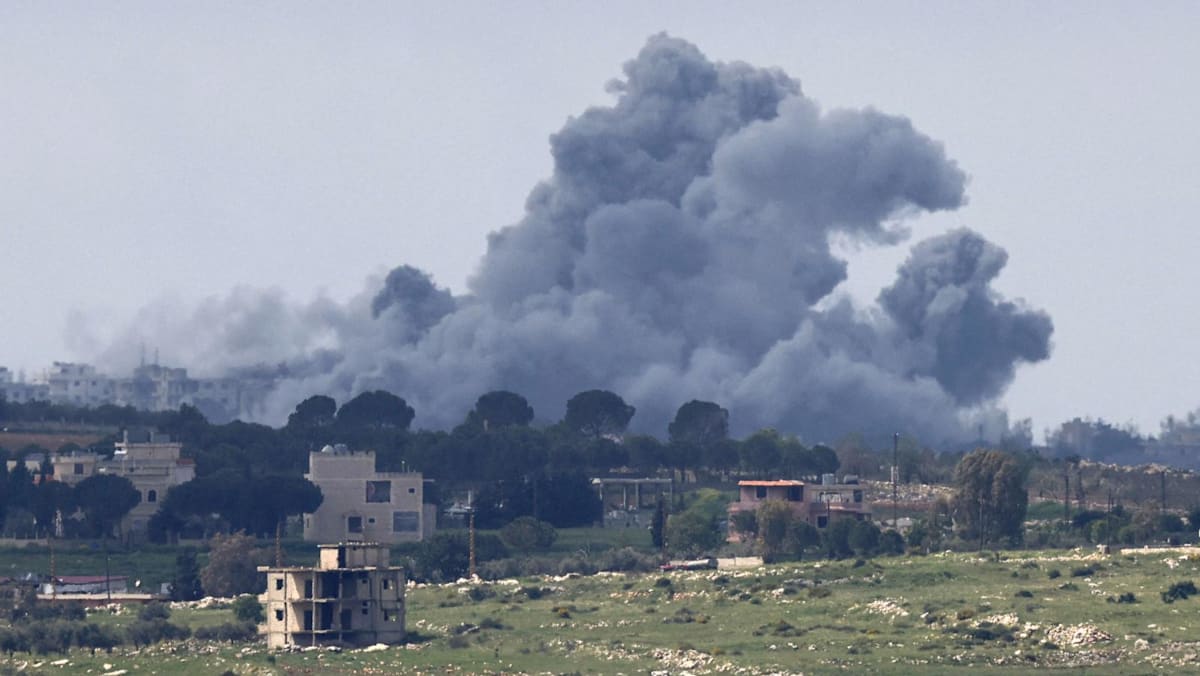
The human cost of this disagreement is staggering. On April 8, 2026, Israel launched some of the deadliest strikes of the war in Lebanon. Local authorities reported between 180 and 260 deaths, with approximately 1,000 people wounded. This surge in violence occurred even as the U.S. And Iran were announcing a break in hostilities.
This discrepancy turns the ceasefire into a paradox: a “peace” that exists for the U.S. And Iran, but not for Hezbollah and Israel. For international corporations with assets in the region, this volatility makes legal protections paramount. Many are currently engaging international law firms to restructure their risk exposure and protect assets from being caught in the crossfire of shifting geopolitical boundaries.
Comparing the Deadlock: U.S. Vs. Iran
To understand why these talks are so fragile, one must look at the competing demands currently on the table in Islamabad.
| U.S. Requirements for Peace | Iranian Requirements for Peace |
|---|---|
| Immediate and safe reopening of the Strait of Hormuz | Immediate cessation of Israeli strikes in Lebanon |
| Good faith engagement in long-term negotiations | Unfreezing and release of blocked Iranian assets |
| End to the “hostage-taking” of the global economy | Verification of U.S. Commitment to stop attacks |
The U.S. View is straightforward: the world’s economy cannot be held hostage. The Iranian view is equally rigid: the war cannot end while their proxies are being hammered and their wealth remains locked in foreign banks.
Macro-Economic Fallout and the Energy Crisis
The continued closure of the Strait of Hormuz is a systemic shock. When 20% of the world’s crude is blocked, it isn’t just about the price at the pump. It affects the cost of plastics, fertilizers, and every single product that relies on petroleum-based transport. This is why President Trump has expressed such intense frustration; the blockade is a direct attack on global economic stability.
For financial institutions and hedge funds, the volatility is extreme. To manage this, firms are increasingly relying on global risk consultants to hedge against energy spikes and predict the likelihood of a total collapse of the ceasefire.
The U.S. Government continues to monitor the situation via the U.S. Department of State and the Energy Information Administration, as the global markets react in real-time to every statement coming out of Islamabad.
If Vance and Ghalibaf cannot bridge the gap between the release of assets and the reopening of the Strait, the “fragile” truce will likely shatter. The U.S. Has the economic leverage, but Iran currently holds the physical key to the world’s oil supply.
As the delegation departs Joint Base Andrews for Pakistan, the world is watching a high-stakes game of geopolitical chicken. The outcome of these talks will determine whether the global economy recovers from its recent inflation spikes or enters a prolonged era of energy instability. In a world where a single strait can throttle the global GDP, the need for verified, expert guidance has never been more critical. Whether you are a business owner securing your supply chain or a firm protecting international assets, the World Today News Directory remains the definitive resource for finding the professionals equipped to navigate this unfolding crisis.