
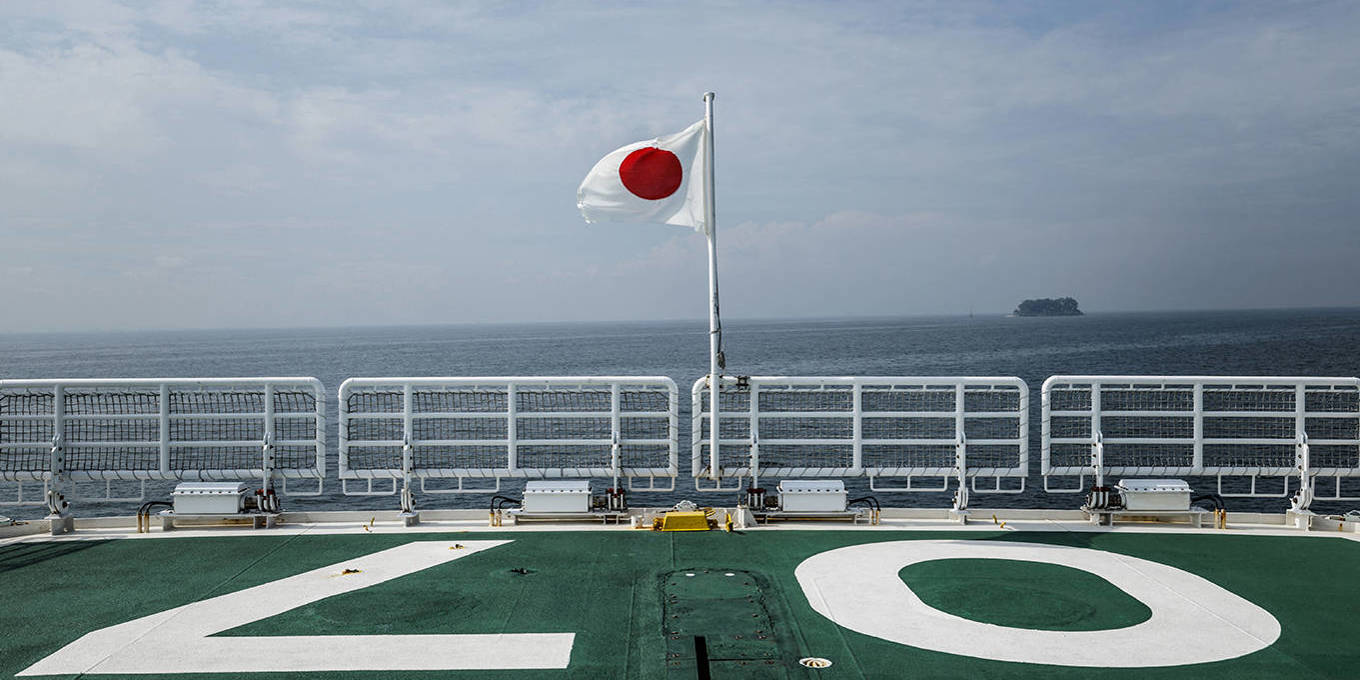
Japan’s Looming Strategic Crossroads: A Race Against Time
TOKYO – Japan stands at a critical juncture. While often portrayed as a response to China’s growing power, the nation’s essential challenge lies in the obsolescence of its postwar strategic framework. This impacts everything from domestic politics and economic policy to the core of its alliances and even the interpretation of its constitution.With a rapidly shifting geopolitical landscape and an aging regional power dynamic, Japan has, at most, a decade to reshape its future, a timeframe dictated by the potential trajectory of China’s ambitions regarding taiwan.
The 12-Year Window: The Taiwan Factor
The urgency stems from a specific,yet looming,deadline. By 2038, Chinese President Xi Jinping will be 85 years old. While his health is a variable, it’s currently tough to envision a scenario were he abandons his long-stated ambition of unifying Taiwan with mainland China [[3]]. This creates a limited window – approximately 12 years – for Japan to proactively influence events and mitigate the potentially destabilizing consequences of a forced reunification.
This isn’t simply about military preparedness,though that is increasingly crucial. It’s about fundamentally reassessing Japan’s role in the indo-Pacific and its relationship with its allies. The outcome of this period will irrevocably shape Japan’s destiny.
Beyond China: A Broader Strategic Rethink
Acknowledging the centrality of the Taiwan issue doesn’t diminish the complexity of Japan’s broader strategic challenges. The post-World War II order, meticulously crafted with U.S. security guarantees and a focus on economic growth, is fraying. Japan must now navigate a world characterized by:
- Increased Chinese Assertiveness: China’s growing military capabilities and assertive foreign policy are challenging the status quo.
- North Korean Nuclear Threat: The continued development of North Korea’s nuclear weapons program remains a constant source of instability.
- Russian Aggression: Russia’s actions in Ukraine have underscored the willingness of revisionist powers to challenge international norms.
- Evolving U.S. Commitments: Questions linger about the long-term reliability of U.S. security commitments, notably considering domestic political shifts.
Strengthening Alliances and Forging New Partnerships
A cornerstone of Japan’s response must be the strengthening of its existing alliances, particularly with the United States. However, relying solely on the U.S.-Japan alliance is no longer sufficient. Japan is actively diversifying its security partnerships,forging closer ties with countries like India and Australia [[2]]. This reflects a recognition that a collective response is required to address the multifaceted challenges facing the Indo-Pacific region.
Japan’s evolving stance on Taiwan is illustrative of this shift. The increased willingness to engage with Taiwanese officials, such as vice President William Lai’s attendance at the funeral of former Prime Minister Shinzo Abe, signals a departure from decades of cautious diplomacy. Japan is increasingly vocal in its support for Taiwan’s democratic values and its right to determine its own future.
Constitutional Revision and Enhanced Defense Capabilities
For decades, Article 9 of the Japanese constitution – which renounces war – has been a central tenet of the nation’s pacifist identity. However, mounting security challenges are fueling a debate about the need to revise this article or, at the very least, reinterpret it to allow for a more proactive defense posture.
Japan has already begun to increase its defense spending and modernize its military capabilities. This includes investments in areas such as cybersecurity, space-based surveillance, and advanced missile defense systems. Further steps are likely to be taken in the coming years, including a potential loosening of restrictions on arms exports.
The Diplomatic Dance with china
Despite the growing strategic competition, Japan cannot afford to completely sever ties with China. China remains Japan’s largest trading partner, and economic interdependence is a reality. Japan must therefore pursue a delicate balancing act – maintaining economic ties while concurrently bolstering its security and working with allies to counter China’s more assertive behavior.
The recent lack of a congratulatory message from President Xi Jinping to the newly appointed Japanese Prime Minister Takaichi upon her assumption of office indicates the strains in the relationship, yet a subsequent summit meeting at the APEC South Korea 2025 demonstrates the ongoing need for dialog [[1]].This underscores the importance of maintaining open lines of communication, even in times of heightened tension.
Looking Ahead: A Future Defined by Adaptation
Japan’s future hinges on its ability to adapt to a rapidly changing world.The next 12 years will be critical. Success will require bold leadership, a willingness to embrace strategic flexibility, and a commitment to strengthening alliances and partnerships. Failure to do so could leave Japan vulnerable to external pressures and diminish its influence in the Indo-Pacific region. The time for decisive action is now.
