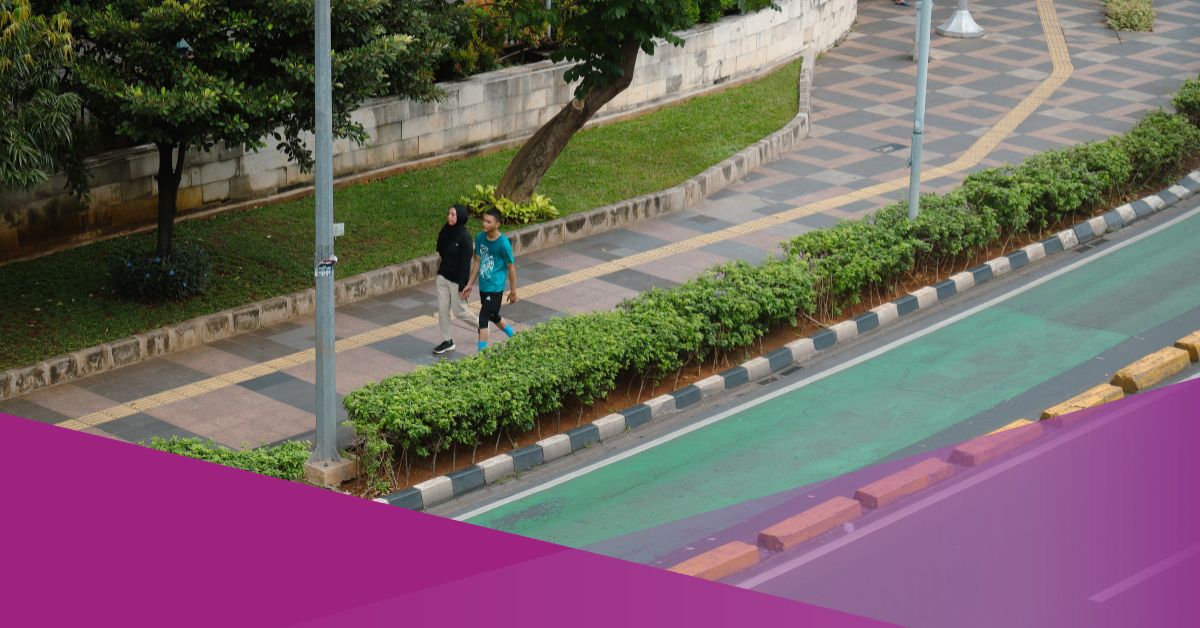
Jakarta Sees Record-Breaking 9.74% Rise in Pedestrian Numbers in 2026
Pedestrian traffic in Jakarta increased by 9.74% in 2026, according to data released by local authorities. This rise in walking follows persistent municipal efforts to enhance urban connectivity and infrastructure, marking a shift in mobility patterns within the Indonesian capital.
Infrastructure Improvements and Transit Integration

The growth in pedestrian numbers is largely attributed to the ongoing integration of public transportation hubs with pedestrian-friendly walkways. Jakarta’s municipal government has focused on expanding sidewalk networks, particularly in the central business districts and near major TransJakarta bus stations and MRT stations.
According to reports from Social Expat, the increase reflects a broader effort by the Jakarta administration to reduce reliance on private vehicles. By prioritizing the “last mile” of travel, city planners have sought to make walking a viable alternative to motorized transport for commuters moving between transit terminals and their final destinations.
Comparative Mobility Trends
While the 9.74% increase signals a positive trend for urban walkability, it remains in contrast to the city’s historical reliance on private motorcycles and cars. The current data indicates that while more citizens are choosing to walk, the total volume of pedestrian traffic is still being measured against a baseline where non-motorized transit was often secondary to road expansion projects.
Infrastructure experts note that the success of these pedestrian zones depends heavily on the consistency of pavement maintenance and the mitigation of extreme weather conditions, which frequently deter potential walkers. The Jakarta administration has indicated that the next phase of development will involve upgrading shade structures and lighting along high-traffic corridors to sustain this growth in pedestrian activity.
Next Steps for Urban Planning
The Jakarta Transportation Agency is currently evaluating the performance of the newly expanded walkways to determine which areas require additional safety features. This assessment is expected to influence the 2027 budget, with a focus on connecting residential pockets to the primary transit spine.
Local authorities have yet to announce the specific timeline for the next series of pedestrian infrastructure projects, as they continue to monitor the impact of current walkway density on traffic flow and public safety.