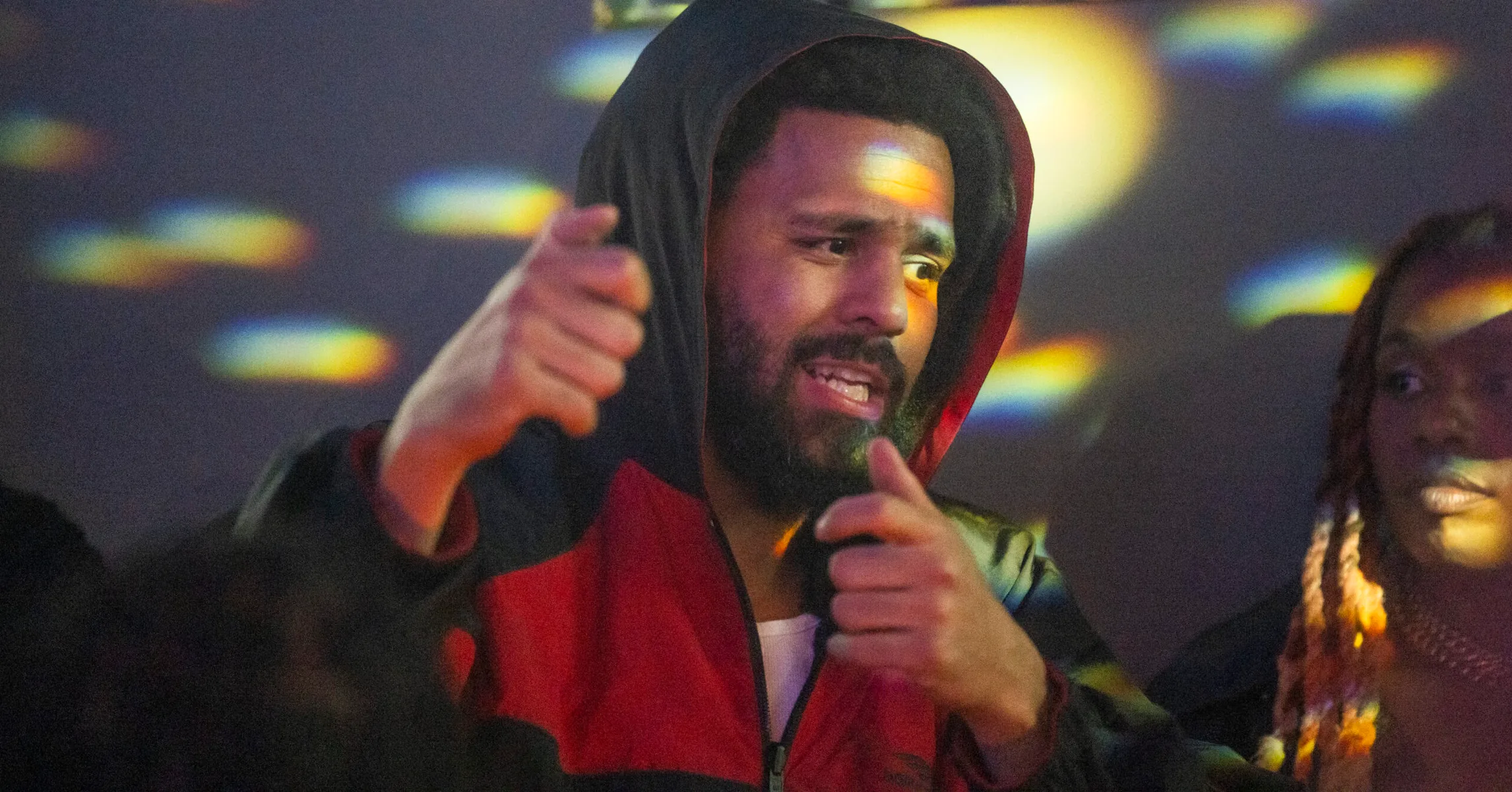
J. Cole: Are Universal Hip-Hop Classics a Thing of the Past?
J. Cole Questions the Existence of “Universal Classics” in Modern Hip-Hop
J. Cole, fresh off a series of high-profile interviews including appearances on Apple Music with Nadeska Alexis, Cam’ron’s “Talk With Flee,” and 7 PM in Brooklyn with Carmelo Anthony, has ignited a debate within the hip-hop community. Cole posits that the concept of a “universal classic” album is effectively dead, attributing this shift to the hyper-polarized nature of social media fandom and the resulting inability for widespread critical consensus. His comments, initially surfacing on the Lost In Vegas YouTube channel, have sparked considerable discussion about the evolving landscape of music appreciation and the impact of online discourse on artistic legacy.

The Fragmentation of Taste and the “Niche Classic”
Cole’s core argument, as articulated in his interview, centers on the impossibility of achieving unanimous acclaim in the current digital age. He illustrated this point with a hypothetical scenario involving Drake, suggesting that even a critically lauded Drake release would be immediately dismissed by his detractors. “You reckon if Drake ‘Iceman’ come out and it’s something that I experience is a classic, you think that this n**** that don’t like Drake and been spending his whole time sh*tting on him is going to agree on his platform that it’s a classic? F** no,” Cole explained. He differentiates this from the emergence of “niche classics”—albums that garner devoted followings but lack broad, universal recognition. This observation taps into a broader anxiety within the music industry regarding the erosion of shared cultural experiences and the rise of algorithm-driven echo chambers.
The Last Universal Classic: A Contentious Claim
Cole’s assertion isn’t entirely novel. Critics have long observed a growing fragmentation of musical taste, fueled by streaming services and the proliferation of online platforms. However, his claim that a true “universal classic” is no longer achievable is particularly provocative. He points to Playboi Carti’s Whole Lotta Red as perhaps the last album to come close to achieving that status, even acknowledging that it, too, has its detractors. This raises the question: what constitutes a “universal classic” in the first place? Traditionally, it’s been an album that transcends generational divides, influences subsequent artists, and maintains enduring cultural relevance. But in an era where musical consumption is increasingly individualized, is such a consensus even possible?
The Role of “Stans” and “Antis” in Shaping Perception
Cole directly implicates the rise of fervent fanbases – “Stans” – and their equally passionate opponents – “Antis” – as a key factor in the demise of the universal classic. These polarized groups, he argues, are more interested in defending their preferred artists than engaging in objective critical evaluation. This dynamic creates a self-reinforcing cycle of negativity and prevents genuine dialogue about artistic merit. The impact of this phenomenon extends beyond hip-hop, influencing perceptions across all genres and mediums. The challenge for artists now is navigating this landscape while maintaining artistic integrity and building a sustainable brand.
“The speed at which opinions are formed and disseminated online has fundamentally altered the way we consume and evaluate art. It’s no longer about a slow burn of critical consensus; it’s about instant reactions and tribal affiliations.”
— Dr. Anya Sharma, Media Psychologist and Brand Reputation Consultant at Sharma & Associates.
The Implications for Brand Equity and Intellectual Property
This shift has significant implications for the music industry’s business models. Traditionally, the creation of “classic” albums generated long-term revenue streams through album sales, licensing, and touring. A “classic” album builds significant brand equity for the artist and their label. However, if the concept of a universal classic is indeed fading, the industry may need to adapt its strategies, focusing more on cultivating dedicated niche audiences and maximizing short-term streaming revenue. Protecting intellectual property becomes even more crucial in this fragmented landscape, as artists seek to monetize their perform through diverse channels. Specialized IP law firms are seeing increased demand for services related to digital rights management and content protection.
The Current State of Hip-Hop Discourse: A Case Study
The current state of hip-hop discourse, as Cole observes, is characterized by intense scrutiny and rapid-fire reactions. The recent debates surrounding his own comments, particularly regarding his apology and views on rap beef, exemplify this trend. While some fans have praised his transparency, others have accused him of damaging his reputation. This illustrates the inherent risk of artists engaging in public discourse, particularly on sensitive topics. The need for proactive crisis public relations strategies is paramount for artists navigating this complex environment. The ability to anticipate and manage potential backlash is essential for preserving brand image and maintaining audience engagement.
Looking Ahead: The Future of Hip-Hop Classics
Cole suggests that the emergence of a new “universal classic” would require an artist who is untainted by pre-existing biases and immune to the pressures of online fandom. This represents a tall order in an industry where artists are constantly under the microscope. It’s more likely that we will continue to see the proliferation of “niche classics”—albums that resonate deeply with specific communities but fail to achieve widespread acclaim. This doesn’t necessarily diminish the artistic value of these albums; it simply reflects the changing dynamics of music consumption and the increasing fragmentation of cultural taste. The challenge for the industry is to find ways to celebrate and support these diverse voices, while acknowledging the limitations of the “universal classic” paradigm.
As hip-hop continues to evolve, the question of what constitutes a “classic” will undoubtedly remain a subject of debate. However, Cole’s observations serve as a valuable reminder of the power of social media to shape perceptions and the importance of critical thinking in an age of information overload. Navigating this new reality requires a sophisticated understanding of brand management, intellectual property law, and the ever-changing landscape of digital culture. The World Today News Directory provides access to vetted professionals in these fields, helping artists and industry leaders thrive in this dynamic environment.
*Disclaimer: The views and cultural analyses presented in this article are for informational and entertainment purposes only. Information regarding legal disputes or financial data is based on available public records.*