Italy Orders Six Airbus A330 MRTT Tankers in $1.6B Deal to Replace KC-767 Fleet
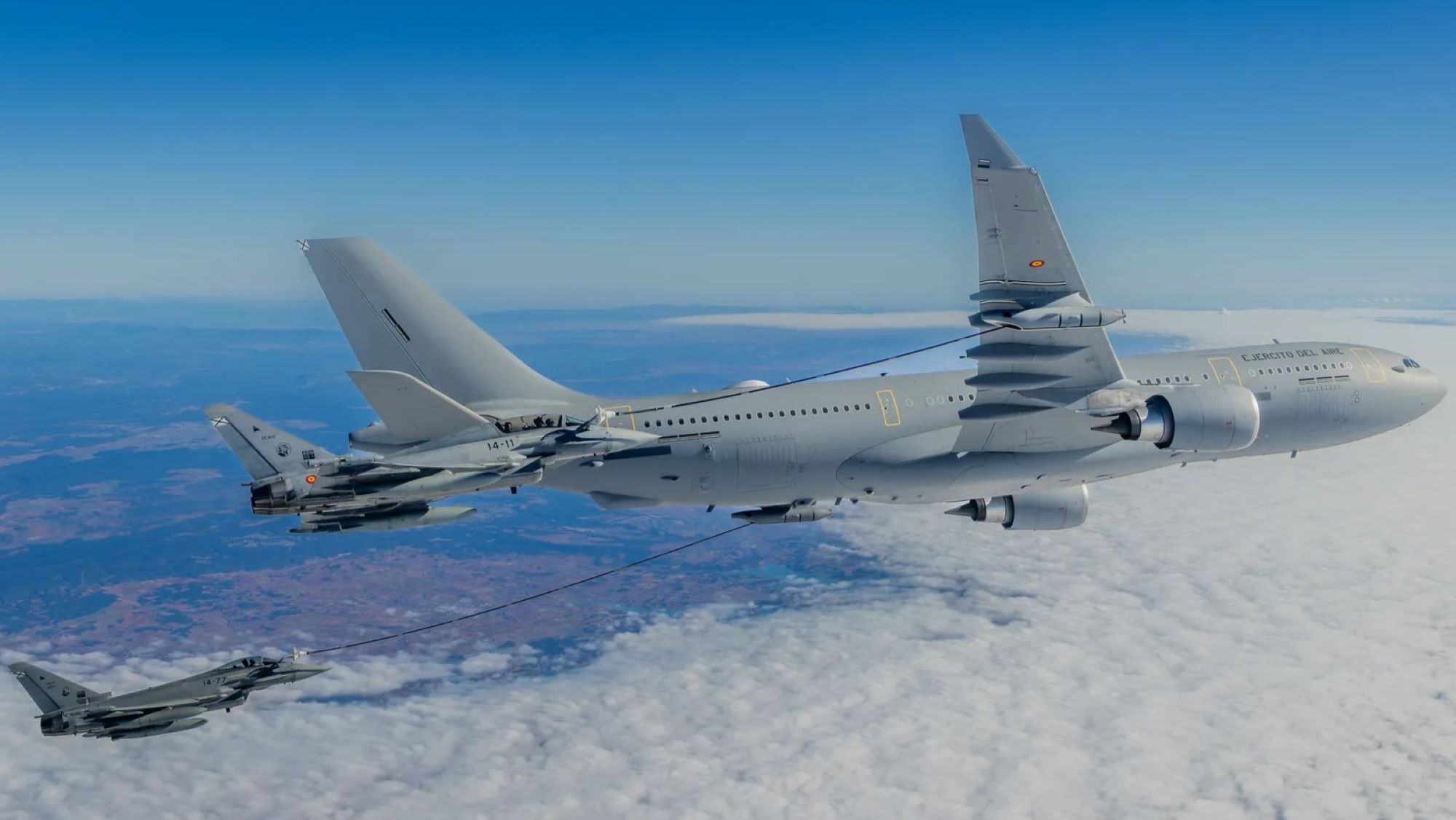
Italy has officially selected the Airbus A330 Multi Role Tanker Transport (MRTT) to modernize its aerial refueling capabilities. The procurement involves six aircraft and comprehensive logistical support, valued at approximately $1.6 billion, marking a decisive transition from the aging Boeing KC-767 fleet to enhance national defense and long-range operational reach.
The decision to move forward with Airbus signals a major shift in Italy’s strategic aviation landscape. For years, the Italian Air Force has relied on the Boeing KC-767 to provide the essential fuel and transport capabilities required for extended missions. However, as these platforms approach the end of their operational lifespans, the need for a more versatile, modern, and sustainable solution has become an urgent priority for national security and regional stability.
This $1.6 billion investment is not merely a hardware upgrade; It’s a fundamental restructuring of Italy’s ability to project power and respond to international crises. By securing the A330 MRTT, Italy is aligning itself with a growing number of European partners utilizing this specific platform, fostering a more interoperable defense environment within the continent.
A Strategic Pivot from Boeing to Airbus
The conclusion of the selection process marks the end of a decade-long era of Boeing-centric tanker operations in Italy. The transition from the KC-767 to the A330 MRTT represents a move toward a more integrated, multi-role capability. While the KC-767 served its purpose, the modern requirements of 21st-century warfare—ranging from rapid deployment to complex humanitarian assistance—demand a platform with greater flexibility.
The procurement, which includes six dedicated aircraft, is designed to fill the gap left by the retiring fleet. Crucially, the deal is not limited to the airframes themselves. The inclusion of extensive logistical support ensures that the Italian Air Force will have the necessary infrastructure, training, and parts to maintain high readiness levels from the moment the first aircraft enters service.

Managing such a massive transition in military assets is a monumental task. For the government and defense ministries, the complexity of these contracts often requires the oversight of specialized defense procurement consultants to ensure that long-term service agreements are both cost-effective and operationally sound.
| Feature | Outgoing Fleet (Legacy) | Incoming Fleet (New Procurement) |
|---|---|---|
| Aircraft Model | Boeing KC-767 | Airbus A330 MRTT |
| Total Investment | N/A (Existing Assets) | Approximately $1.6 Billion |
| Unit Count | Retiring Fleet | 6 Aircraft |
| Operational Focus | Standard Refueling | Multi-Role (Tanker + Transport + Logistics) |
| Support Model | Legacy Maintenance | Integrated Logistical Support |
The Logistical Backbone of Modern Defense
One of the most significant aspects of this announcement is the emphasis on “logistical support.” In modern military aviation, the aircraft is only as effective as the supply chain that sustains it. A tanker that cannot refuel due to a lack of specialized parts or trained technicians is a liability rather than an asset.
By bundling the acquisition with comprehensive support, Italy is mitigating the risks associated with the “capability gap” that often occurs during fleet transitions. This approach ensures that the operational tempo remains consistent even as the technical requirements of the fleet shift from Boeing to Airbus systems. This level of long-term planning is essential for maintaining the integrity of national defense infrastructure.
As these new platforms are integrated into Italian airspace and military bases, the demand for high-level technical expertise will surge. This creates a significant opportunity for aerospace engineering firms and specialized maintenance providers to play a critical role in the lifecycle of the A330 MRTT fleet.
Economic and Geopolitical Implications
The $1.6 billion price tag reflects more than just the cost of six planes. It encompasses the technological sophistication of the A330 MRTT and the immense value of the long-term support framework. From a macroeconomic perspective, this expenditure reinforces the importance of the defense sector as a driver of technological advancement and industrial stability within Italy.

Geopolitically, the move strengthens Italy’s position within NATO and the broader European defense framework. The A330 MRTT is a platform that facilitates seamless cooperation with other air forces. As more nations adopt this standard, the ability to conduct joint refueling operations becomes more streamlined, enhancing the collective defense capabilities of the alliance.

the transition highlights the growing influence of Airbus in the European defense market. As nations look to modernize their fleets, the trend toward unified, multi-role platforms is becoming increasingly pronounced. This shift is driving a new era of procurement where versatility and interoperability are the primary metrics of success.
Navigating the legal and regulatory frameworks of such massive international defense contracts is a task of extreme complexity. Legal teams specializing in international defense law are increasingly vital to ensuring that these multi-billion dollar agreements protect national interests and meet all international compliance standards.
Looking Toward a New Era of Aerial Reach
The official selection of the Airbus A330 MRTT marks a turning point for the Italian Air Force. The move away from the KC-767 is a calculated risk, but one that is backed by the necessity of modernization. The new fleet will provide the reach, the versatility, and the reliability required to meet the challenges of an increasingly unpredictable global security environment.
As the procurement process moves from the selection phase into the implementation and delivery stages, the focus will shift to the seamless integration of these assets into existing command and control structures. The success of this $1.6 billion investment will ultimately be measured by the Air Force’s ability to execute complex, long-range missions with unprecedented efficiency.
For those monitoring the intersection of global geopolitics and defense technology, the Italian tanker procurement serves as a prime example of how nations are evolving to meet modern threats. As this transition unfolds, staying connected with the right professionals—from strategic advisors to technical specialists—will be essential for anyone operating within this high-stakes sector. To find verified experts capable of navigating these complex shifts, explore our directory of strategic global advisory services.