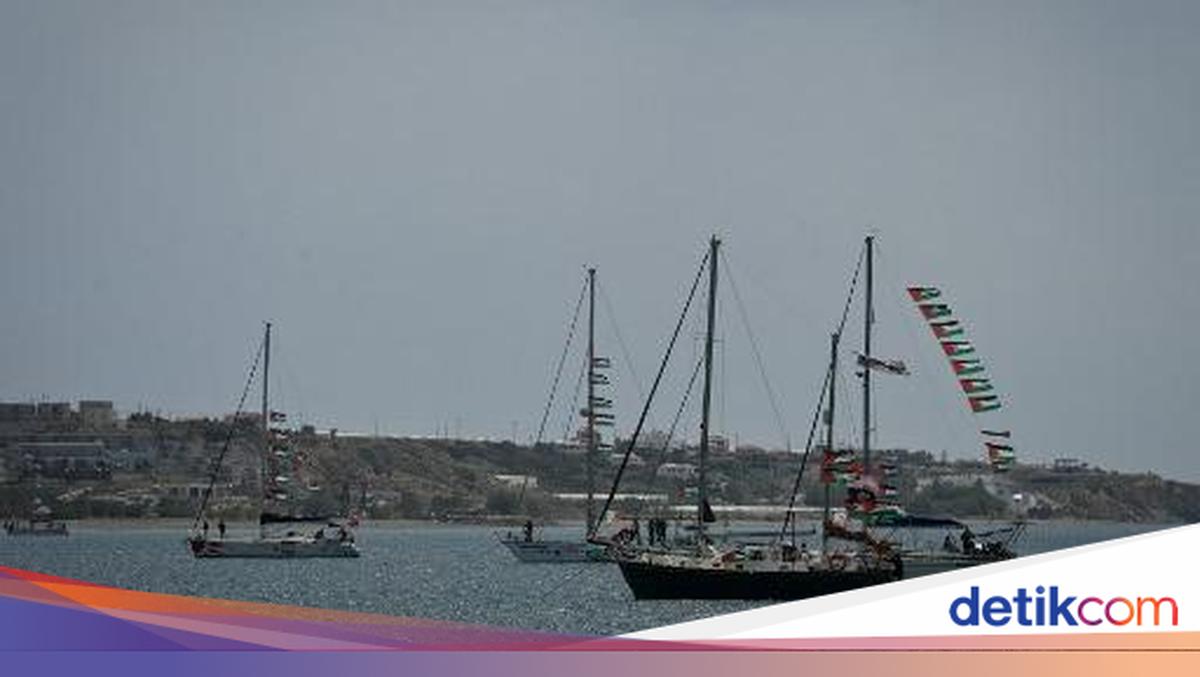
Israel Detains Indonesian Citizens: Global Sumud Flotilla Incident Sparks Global Outrage
Nine Indonesian citizens, including journalists and humanitarian volunteers, were detained by the Israeli Navy on May 18, 2026, while participating in the Global Sumud Flotilla (GSF) 2.0 mission. The interception occurred in the eastern Mediterranean Sea, raising significant concerns regarding international maritime security and the safety of personnel involved in humanitarian aid delivery.
The Escalation of Maritime Humanitarian Tensions
The incident represents a major point of friction in the ongoing efforts to provide aid to Gaza. According to the Global Peace Convoy Indonesia (GPCI), the Israeli military began intercepting vessels at approximately 2 p.m. Local time on Monday. The intercepted ship, identified as the Tiberias (Cactus), was part of a larger fleet comprising dozens of vessels and roughly 450 volunteers from various nations.
For those involved in international logistics or large-scale aid operations, this event serves as a stark reminder of the complexities inherent in cross-border movement. When humanitarian missions cross into contested waters, the regulatory landscape shifts from standard maritime law to complex geopolitical maneuvering. Organizations operating in these environments must prioritize high-level security assessments and legal preparedness.
Those currently navigating the logistical and legal fallout of such international incidents often require specialized support. Accessing vetted international human rights attorneys is frequently the first step for families and organizations seeking to understand the status of detained personnel under the framework of international humanitarian law.
Accountability and the Role of Diplomatic Intervention
In Jakarta, the response has been swift. Representatives from the GPCI, including board member Irvan Nugraha, have characterized the interception as a violation of international humanitarian law. The situation has been elevated to Alert Level 1, signaling a severe threat to the remaining vessels in the flotilla.
The Indonesian delegation includes representatives from several humanitarian agencies, such as Dompet Dhuafa, Rumah Zakat, Spirit of Aqsa, and SMART 171. Journalists from Tempo, Republika, and iNews are also among those detained. The involvement of media personnel adds a layer of international scrutiny, as the protection of journalists in conflict zones remains a cornerstone of press freedom advocacy.
“This is an act that violates international humanitarian law. Considering the interception of the Tiberias, it will certainly threaten other ships sailing on this humanitarian mission.” — Irvan Nugraha, GPCI Board Member
As governments and NGOs monitor the unfolding situation, the need for robust advocacy and diplomatic pressure becomes paramount. For entities managing the welfare of international staff, engaging with global advocacy and non-profit organizations is essential to ensure that humanitarian protections are upheld during crises.
The Regulatory Landscape of International Aid
Beyond the immediate diplomatic crisis, the incident highlights the fragility of international aid corridors. The United Nations Charter and the Geneva Conventions provide the foundational framework for the protection of civilians and aid workers. However, in practice, the enforcement of these protections is frequently subject to the jurisdiction of the intercepting state.
| Stakeholder | Involvement |
|---|---|
| Indonesian Delegation | Humanitarian volunteers and journalists |
| GPCI | Mission coordination and public advocacy |
| Israeli Navy | Interception and detention of vessels |
| International Community | Monitoring compliance with maritime law |
The incident reminds us that humanitarian work is rarely conducted in a vacuum. Businesses or agencies that dispatch personnel into high-risk zones must be prepared for sudden regulatory shifts. This includes having access to specialized crisis management and security consultants who can navigate the interface between private humanitarian efforts and state-level military actions.
Looking Toward Resolution
As of May 19, 2026, the status of the nine individuals remains the focal point of discussions between Indonesian authorities and their international counterparts. The pressure on the government to secure the release of these citizens is intensifying, with parliamentary bodies like the People’s Consultative Assembly (MPR) actively involved in the response.
The long-term impact of this detention will likely reverberate through future aid missions. If the blockade remains, the cost of entry—not just in financial terms, but in the potential loss of liberty for volunteers—may force a recalibration of how international aid is delivered to the region. Organizations that prioritize the safety of their teams must now factor in the high probability of state-led intervention, necessitating a more integrated approach to legal and physical security.
For families and organizations affected by these developments, the path forward is rarely clear. Securing the services of professional legal counsel experienced in international law is the most effective way to navigate the bureaucratic and diplomatic hurdles that follow such an event. As the situation remains fluid, the focus must stay on the safety and swift return of the nine individuals currently held in the custody of Israeli forces.