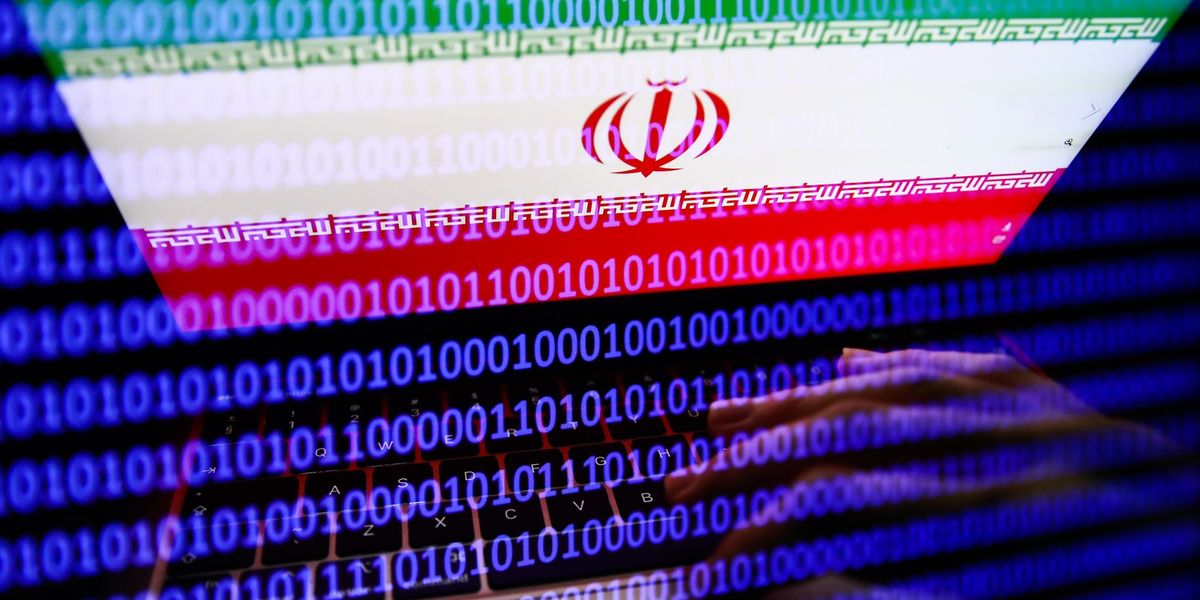
Iran’s Cyber Warfare: Targeting US Critical Infrastructure
Following the February 28, 2026, joint U.S.-Israeli military operations against Iran, Tehran has pivoted its cyber strategy from symbolic posturing to a sustained, disruptive campaign targeting U.S. Critical infrastructure. Iranian-linked actors are now leveraging persistent network access to compromise energy, healthcare and water sectors, creating long-term vulnerabilities for American national security.
The conflict has entered a volatile new phase where the digital battlefield is no longer a secondary theater, but a primary domain of state power. As physical military strikes degrade Iran’s domestic command-and-control capacity, the regime’s digital surrogates have demonstrated alarming resilience, shifting their operations to decentralized, encrypted channels that operate beyond the reach of traditional kinetic interdiction.
The Anatomy of a Digital Breach
The March 11 attack on Michigan-based medical technology firm Stryker serves as a definitive case study in this new reality. By wiping nearly 80,000 Windows devices and exfiltrating 50 terabytes of sensitive data, the Handala group—a front for state-aligned actors—did more than disrupt a balance sheet; they crippled the delivery of emergency care. In Maryland, the resulting loss of access to the Lifenet system forced medical professionals to abandon digital protocols for manual radio consultations, a regression that underscores the real-world safety risks of cyber warfare.

This is not merely about data theft. It is about pre-positioning. The strategy involves embedding latent risks within industrial control systems (ICS), ensuring that when a geopolitical crisis peaks, the adversary can toggle these systems from “operational” to “disabled” at will.
The Erosion of Domestic Defense
While the threat grows, the U.S. Defensive posture faces internal friction. The Cybersecurity and Infrastructure Security Agency (CISA) has seen its budget reduced to $2.4 billion for fiscal year 2026, down from $3.0 billion the previous year. With nearly 1,000 personnel lost to departures, layoffs, and transfers, the agency’s capacity to conduct the proactive, on-the-ground outreach necessary to secure local water and power utilities has been severely constrained.

For organizations operating within these critical sectors, the current environment necessitates immediate, high-level intervention. Relying on baseline security is no longer sufficient when facing state-sponsored persistence. Companies must engage Specialized Cybersecurity Risk Consultants to audit legacy systems and segment operational technology (OT) networks from public-facing internet gateways.
“The Iranian playbook seems to suggest taking advantage of vulnerabilities in weaker parts of critical infrastructure cyber defenses. These include under-resourced sectors such as water and wastewater, food and agriculture, government services and healthcare, as well as areas of outdated technology, which can include operational technology.” — Bob Kolasky, Senior Vice President at Exiger
Decentralization as a Shield
One of the most profound challenges for U.S. Intelligence is the “distributed” nature of these threats. Because cyber operations do not require a massive physical footprint, the destruction of a command center in Tehran does little to silence a network of hackers operating from laptops across different jurisdictions. These actors, including the IRGC-affiliated CyberAv3ngers, utilize a blend of proxy hacktivist groups and criminal contractors to complicate attribution.
This complexity demands a robust legal and technical response. As local municipalities and private firms find themselves in the crosshairs of global geopolitical conflict, many are turning to Incident Response and Digital Forensics Firms to navigate the immediate aftermath of breaches and manage the complex regulatory reporting requirements that follow a major data compromise.
The Looming Horizon: Midterms and Global Events
Intelligence analysts are already looking ahead to the summer and autumn of 2026. The upcoming World Cup and the U.S. Midterm elections represent high-visibility targets where Iranian-linked actors are expected to intensify their efforts. Experts anticipate a significant surge in fraudulent activity, specifically targeting transportation hubs and municipal government portals. For those responsible for safeguarding public-facing infrastructure, the time for “hardening” systems against known but unpatched vulnerabilities—what analysts term “n-day” exploits—is now.

The reality is that our critical infrastructure is being treated as a secondary front in an ongoing military conflict. For businesses and local governments, the mandate is clear: the assumption must be that the perimeter is already compromised. Navigating this landscape requires more than just software updates; it requires a strategic realignment of assets and the expert counsel of National Security and Compliance Law Firms to ensure that both physical and digital assets remain resilient in the face of persistent, state-aligned aggression.
As the conflict continues to evolve, the distinction between a “peacetime” cyber incident and a “wartime” kinetic strike is dissolving. The question is no longer if these systems will be tested, but how well they will hold when the pressure is applied. In a world where digital infrastructure is the new high ground, the cost of being unprepared is measured in more than just dollars—it is measured in the reliability of the services that sustain our daily lives.