Iran-US Conflict: Tehran Rejects Peace Proposal as Attacks Continue
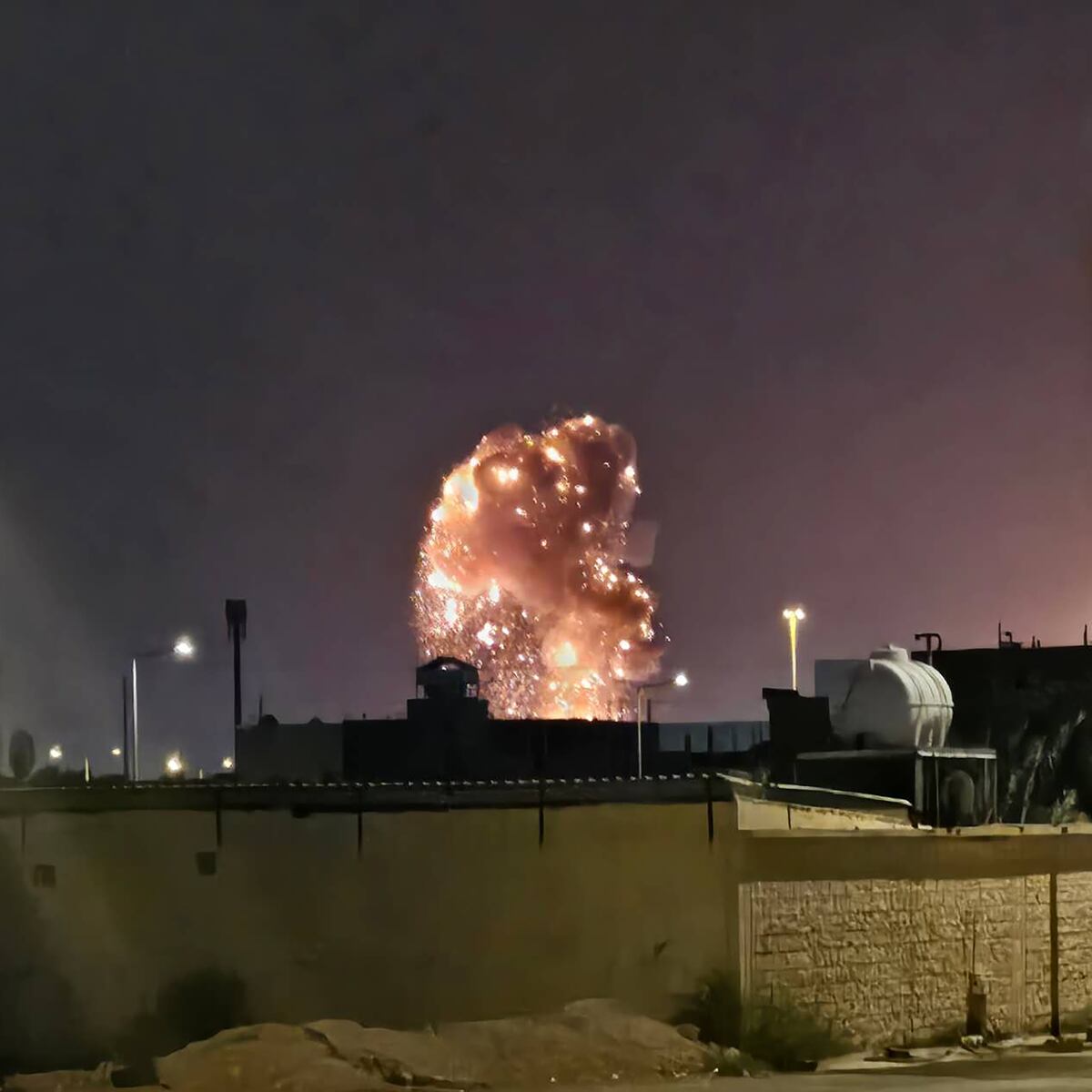
Tensions in the Middle East escalated sharply today, March 26, 2026, as Iran formally rejected Donald Trump’s 15-point peace plan aimed at de-escalating the ongoing conflict. The rejection, announced after weeks of indirect negotiations, centers on Iran’s demands for sovereign recognition over the Strait of Hormuz and an end to alleged covert operations by the United States and Israel. This impasse threatens to further destabilize the region, impacting global energy markets and prompting increased security concerns for international shipping.
A History of Failed Negotiations and Rising Hostilities
The current crisis isn’t a sudden eruption. It’s the culmination of years of strained relations, punctuated by the 2018 withdrawal of the United States from the Joint Comprehensive Plan of Action (JCPOA)—the Iran nuclear deal—and the subsequent reimposition of crippling economic sanctions. The Council on Foreign Relations provides a detailed timeline of the JCPOA and its aftermath. Trump’s administration argued the deal was insufficient in addressing Iran’s ballistic missile program and regional activities. Iran, in turn, maintained its nuclear program was solely for peaceful purposes. The recent deployment of 3,000 elite U.S. Troops to the Gulf, announced just hours before the presentation of the peace plan, was widely interpreted as a show of force intended to pressure Tehran. This move, yet, appears to have had the opposite effect, reinforcing Iranian suspicions of U.S. Intentions. Simultaneously, escalating exchanges of fire between Iran and Israel, including Iranian bombardments of Israeli territory and retaliatory strikes against Tehran and Lebanon, demonstrate a dangerous escalation beyond proxy conflicts.
The Core of the Dispute: Trump’s Plan and Iran’s Counter-Demands
The 15-point plan presented by the U.S. Mirrors demands made during previous, ultimately unsuccessful, negotiations. Key components include a commitment from Iran to permanently halt the development of nuclear weapons, cease support for militant groups across the Middle East – specifically referencing groups in Yemen, Syria, and Lebanon – and guarantee free passage through the Strait of Hormuz, a vital waterway for global oil supplies. In exchange, the U.S. Offered to lift economic sanctions and allow Iran to pursue a civilian nuclear program under strict international supervision. However, this offer falls short of Iran’s core demands. Tehran insists on formal recognition of its sovereignty over the Strait of Hormuz, a position that would effectively grant it control over a critical chokepoint in the global energy supply chain. More crucially, Iran demands an end to what it describes as “attacks and assassinations” carried out by the U.S. And Israel within its borders. These accusations likely refer to a series of targeted killings of Iranian nuclear scientists and military officials over the past decade, events that Iran has consistently blamed on its adversaries.
The Economic Fallout and Regional Implications
The rejection of the peace plan has immediate and far-reaching economic consequences. Oil prices surged on global markets today, reflecting fears of supply disruptions. Reuters provides up-to-the-minute coverage of oil market fluctuations. The Iranian Rial plummeted against the U.S. Dollar, further exacerbating the country’s already dire economic situation. Businesses operating in the region are facing increased risks, and international investors are growing increasingly wary of committing capital to the area. Beyond the economic impact, the escalating conflict poses a significant threat to regional stability. The involvement of multiple actors – including Saudi Arabia, Yemen, and various non-state actors – raises the specter of a wider regional war. The potential for miscalculation and unintended consequences is alarmingly high.
Expert Perspectives on the Crisis
“The situation is incredibly fragile,” says Dr. Leila Rahimi, a specialist in Iranian foreign policy at the University of Tehran. “
Iran views the U.S. Plan as a continuation of a policy of maximum pressure, designed to force concessions rather than address legitimate security concerns. The demand for recognition of sovereignty over the Strait of Hormuz is not merely symbolic; it’s about Iran asserting its regional influence and protecting its economic interests.
” The potential for cyber warfare also looms large. Both Iran and Israel possess sophisticated cyber capabilities, and a cyberattack targeting critical infrastructure could have devastating consequences. Protecting critical infrastructure requires specialized expertise. Organizations like cybersecurity consultants are increasingly vital for businesses and governments alike.
The Legal Ramifications and International Response
The escalating conflict raises complex legal questions regarding the use of force, the legality of sanctions, and the responsibility for civilian casualties. International law prohibits the use of force except in self-defense or with the authorization of the United Nations Security Council. The current situation does not meet either of these criteria, raising concerns about potential violations of international humanitarian law. Navigating these legal complexities requires specialized legal counsel. Businesses and individuals impacted by the conflict should consult with experienced international law firms to understand their rights and obligations.
The Role of Diplomacy and the Path Forward
Despite the current impasse, diplomatic efforts must continue. A sustainable solution requires a willingness from all parties to compromise and address the underlying causes of the conflict. This includes addressing Iran’s legitimate security concerns, lifting crippling economic sanctions, and fostering a more inclusive regional security architecture. The United States and Iran have a long and fraught history, but a failure to find a peaceful resolution to this crisis would have catastrophic consequences for the region and the world. The need for skilled conflict resolution services has never been greater.
The situation remains fluid and unpredictable. The rejection of Trump’s peace plan is not the end of the story, but rather a dangerous turning point. The coming weeks and months will be critical in determining whether the region descends into a full-scale war or finds a path towards de-escalation and lasting peace. The World Today News Directory remains committed to providing accurate, timely, and insightful coverage of this evolving crisis, and to connecting you with the verified professionals equipped to navigate its complexities.