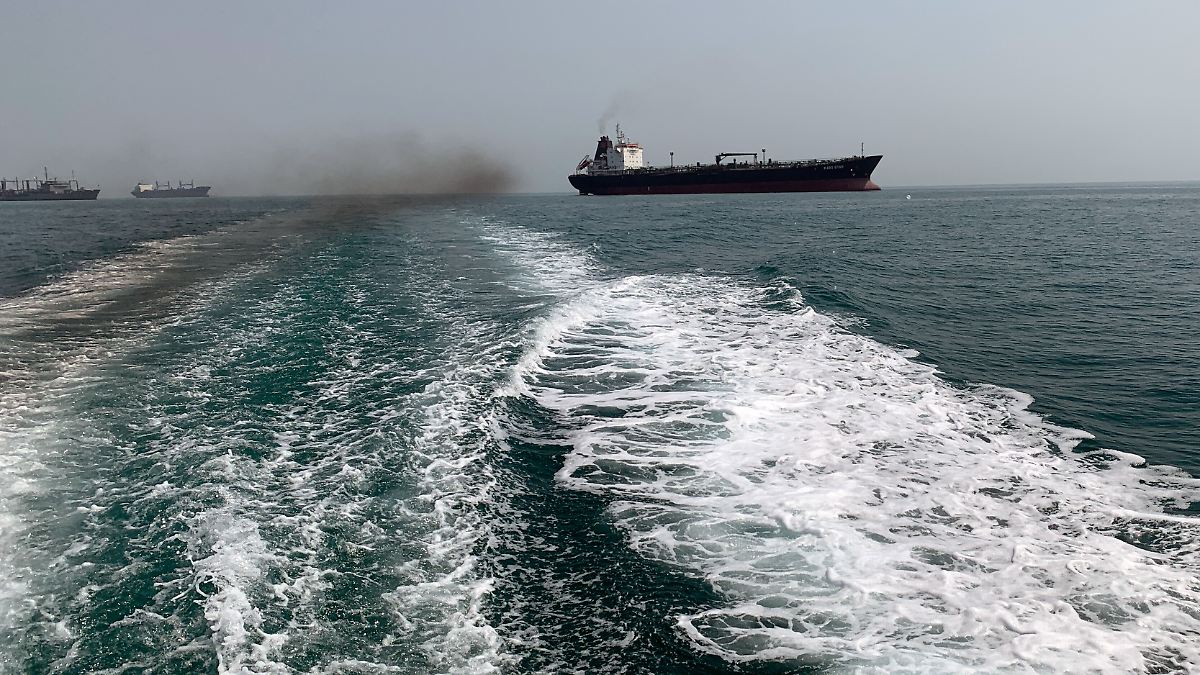
Iran Threatens to Close Strait of Hormuz Amid Rising US Tensions
On April 18, 2026, at 07:20 UTC, multiple container vessels reversed course in the Strait of Hormuz after Iran issued renewed threats to close the waterway, citing U.S. Naval presence as a provocation and warning of retaliation for perceived economic strangulation. This latest escalation in the U.S.-Iran standoff directly jeopardizes 20% of global oil trade and 30% of liquefied natural gas shipments, triggering immediate rerouting costs and insurance surcharges that ripple through energy-dependent industries from Rotterdam to Singapore.
The Strait of Hormuz, a 21-mile-wide chokepoint between Oman and Iran, remains the world’s most critical energy transit corridor despite decades of geopolitical tension. Unlike the Suez or Panama Canals, Hormuz operates under no multilateral treaty guaranteeing freedom of navigation; instead, passage relies on customary international law and intermittent U.S.-led naval patrols. Iran’s intermittent threats to close the strait—most notably in 2012, 2019, and 2023—have historically been countered by U.S. Fifth Fleet deployments, but the current cycle differs in intensity due to concurrent pressures: Iran’s advancing uranium enrichment program nearing 90% purity, U.S. Congressional resistance to renewing sanctions waivers, and Israel’s heightened readiness for preemptive strikes on nuclear sites.
What makes this episode structurally dangerous is the convergence of three factors absent in prior crises. First, China and India—together importing over 60% of Hormuz-transited crude—have reduced strategic petroleum reserves to multi-year lows amid domestic refinery maintenance cycles, leaving them with minimal buffer against supply shocks. Second, European gas storage facilities entered the 2025–2026 winter at 42% capacity, the lowest in a decade, increasing vulnerability to LNG disruptions from Qatar, which ships 80% of its exports through the strait. Third, the global tanker fleet faces a 15-year low in available very large crude carriers (VLCCs), with idle tonnage at just 4.2% of global capacity, severely limiting the market’s ability to absorb sudden rerouting demands around Africa’s Cape of Good Hope.
“The Strait of Hormuz is not a chokepoint—it is a pressure valve. When it clamps shut, the shockwave doesn’t just hit energy markets; it detonates through manufacturing, agriculture, and consumer goods supply chains worldwide.”
— Dr. Amrita Narlikar, President, German Institute for Global and Area Studies (GIGA)
Historical context reveals a pattern of miscalculation. Iran’s 2019 attempt to seize the British-flagged Stena Impero led to a U.K.-led maritime security initiative (Operation Kipion) that reduced Iranian interdiction success by 70% over 18 months. Yet Tehran persists in using strait threats as asymmetric leverage, believing the economic pain inflicted on global consumers will force diplomatic concessions. This misjudges both the resilience of adaptive logistics networks and the political cost to Western governments of appearing coerced—a dynamic evident in the 1980s Tanker War, when U.S. Reflagging of Kuwaiti tankers ultimately restored flow without major concessions to Iran.
The macroeconomic bridge is stark: a sustained Hormuz closure would add 10–14 days to Asia-Europe oil voyages, increasing freight costs by $15–20 per barrel and potentially lifting Brent crude to $120+/bbl within three weeks. For just-in-time manufacturing sectors—particularly German automotive suppliers reliant on Gulf-sourced plastics and Korean semiconductor firms using Saudi ethane feedstock—such delays threaten production halts. Concurrently, freight forwarders report a 22% spike in demand for alternative routing consultancy since early April, while war-risk insurance premiums for vessels transiting the Gulf of Oman have jumped from 0.07% to 0.35% of hull value.
This is where specialized intermediaries become indispensable. Multinational energy traders are urgently engaging global logistics optimization firms to model real-time rerouting scenarios across the Cape of Good Hope and Suez Canal alternatives, factoring in port congestion, bunker fuel availability, and pirate risk zones. Simultaneously, corporations with exposure to Gulf-sourced petrochemicals are consulting structured trade finance advisors to activate contingent letters of credit and hedge against currency volatility in emerging markets. For those navigating the legal labyrinth of force majeure claims and charter party disputes, international maritime law specialists are seeing surging retainers as charterers test the limits of wartime exclusion clauses under English law and the Hague-Visby Rules.
| Impact Metric | Current Level (Pre-Closure Threat) | Projected Level (Sustained Closure) | Global Exposure |
|---|---|---|---|
| Daily Oil Flow Through Hormuz | 21 million barrels | 0–5 million barrels | 20% of global supply |
| Average VLCC Freight Rate (MEG-Asia) | $42,000/day | $95,000–120,000/day | +180% spot market surge |
| Brent Crude Price | $78/bbl | $110–130/bbl | +40–65% energy cost shock |
| War Risk Insurance (Gulf Transit) | 0.07% of hull value | 0.30–0.40% of hull value | 320–430% cost increase |
The editorial kicker cuts through the noise: Hormuz is not merely a geographic feature but a live wire in the global system—one where Iranian coercion, American deterrence, and Asian interdependence create a feedback loop that rewards agility and punishes rigidity. Firms that treat this as a temporary blip will pay premiums in delayed shipments and broken contracts; those that embed geopolitical risk modeling into core supply chain architecture will emerge with stronger, more adaptive networks. For the international legal, financial, and consulting partners who turn volatility into advantage, the World Today News Directory remains the essential first point of contact.