
Iran Protests: Economic Grievances and the Collapsing Rial
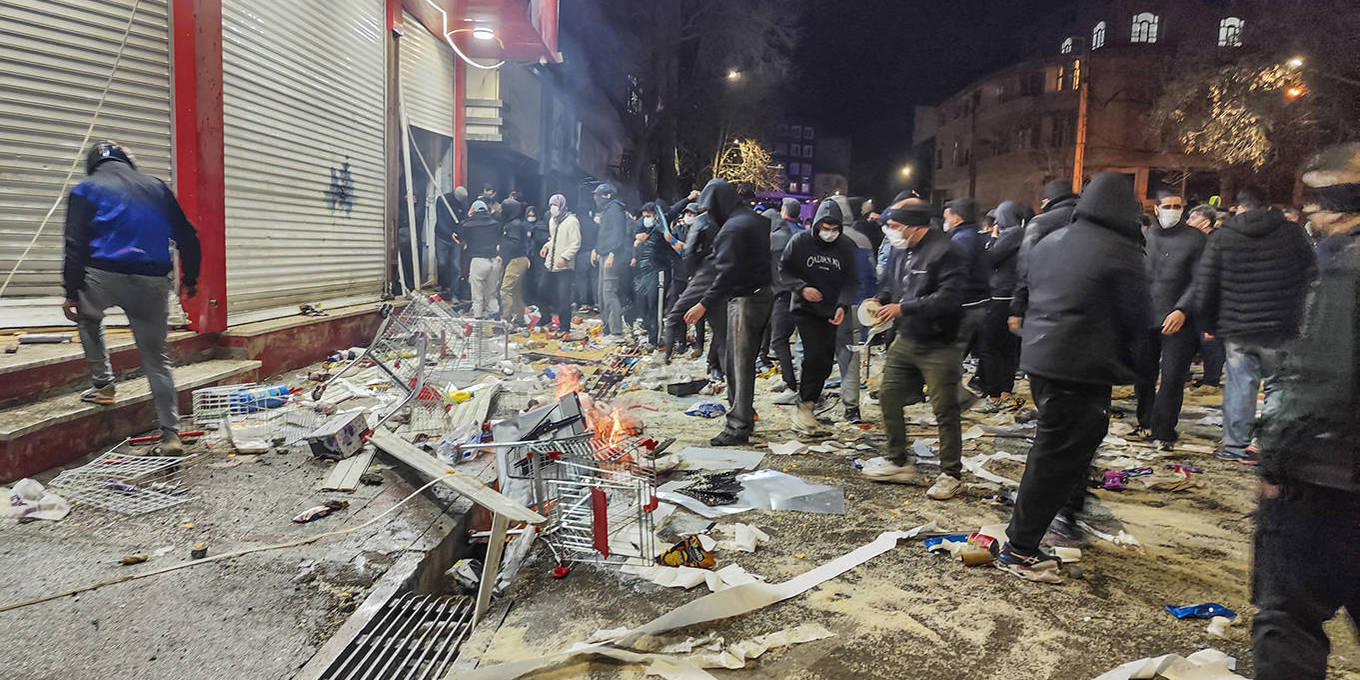
BLACKSBURG,VIRGINIA – Protests that began in Tehran on December 28th and rapidly spread throughout Iran are rooted in deep economic frustrations,primarily fueled by the dramatic collapse of the Iranian rial. This isn’t simply a financial issue; currency devaluation directly impacts the cost of living, eroding purchasing power, notably for those with fixed annual wages. As of December, the rial had plummeted 16%, representing an 84% decline over the past year, pushing food inflation too a staggering 72% annually – almost double the recent average.
The Root of the crisis: A Deeper Look at Iran’s Economic Woes
The current crisis is not a sudden event but the culmination of years of economic mismanagement, international sanctions, and internal structural issues. While sanctions imposed by the United States and other nations have undoubtedly exacerbated the situation, they are not the sole cause. A significant portion of Iran’s economic problems stems from internal policies, including a lack of economic diversification, reliance on oil revenues, and a complex web of state-controlled enterprises.
For decades, Iran’s economy has been heavily dependent on oil exports. Fluctuations in global oil prices, coupled with reduced export volumes due to sanctions, have created significant economic instability. The failure to diversify the economy and develop other sectors has left Iran vulnerable to these external shocks. Moreover, corruption and a lack of clarity within the state-controlled economic system have hindered growth and investment.
The Impact of currency Devaluation and Inflation
The dramatic devaluation of the rial has had a cascading effect on the iranian economy. As the rial loses value, the cost of imported goods – including essential food items and medicine – increases considerably. This directly translates to higher prices for consumers, reducing their ability to afford basic necessities. The 72% food inflation rate reported in December means that families are struggling to put food on the table, and the situation is highly likely to worsen.
Beyond food, the devaluation impacts a wide range of goods and services. Businesses reliant on imported raw materials face higher production costs, which are frequently enough passed on to consumers. The rising cost of living disproportionately affects low-income families and those on fixed incomes,exacerbating existing inequalities.
Government Response and Public Discontent
The Iranian government has attempted to address the economic crisis through various measures, including currency controls and cash transfer programs. However, these measures have largely been ineffective in stemming the devaluation of the rial or curbing inflation. Cash transfers, while providing some temporary relief, do not address the underlying structural problems driving the economic crisis.
Promises of lower inflation in the future ring hollow for a population that has experienced years of economic hardship. The lack of trust in the government, coupled with the visible economic hardship, has fueled widespread discontent and contributed to the ongoing protests.The protests are not simply about the economy; they represent a broader expression of frustration with the political system and the lack of opportunities.
The Potential for further Escalation
The current situation is highly volatile and carries the potential for further escalation.If the government fails to address the underlying economic issues and implement meaningful reforms, the protests are likely to continue and potentially intensify. The government’s response to the protests will also be crucial. A heavy-handed crackdown could further inflame tensions and led to more widespread unrest.
Moreover, the economic crisis is exacerbating existing social and political divisions within Iran. The widening gap between the rich and the poor, coupled with the lack of economic opportunities, is creating a sense of desperation and resentment. this could lead to further instability and potentially undermine the legitimacy of the government.
Looking Ahead: Challenges and Potential Solutions
Addressing Iran’s economic crisis will require a comprehensive and multifaceted approach. This includes implementing structural reforms to diversify the economy, reduce reliance on oil revenues, and improve the business climate. It also requires addressing corruption and promoting transparency within the economic system.
Easing international sanctions could provide some short-term relief, but it is indeed not a panacea. Iran needs to address its internal economic problems irrespective of the sanctions regime. Furthermore, engaging in constructive dialogue with the international community and seeking to rebuild trust will be crucial for attracting foreign investment and promoting economic growth.
The path forward will be challenging,but it is essential for ensuring the long-term stability and prosperity of Iran. Failure to address the underlying economic issues could lead to further unrest and potentially destabilize the region.
Key Takeaways
- The protests in Iran are primarily driven by economic grievances, specifically the collapse of the rial and soaring inflation.
- The economic crisis is a result of a combination of factors, including international sanctions, internal mismanagement, and a lack of economic diversification.
- Government responses, such as currency controls and cash transfers, have been largely ineffective.
- Addressing the crisis requires comprehensive structural reforms,including economic diversification,tackling corruption,and improving the business climate.
- the situation is volatile and carries the potential for further escalation, depending on the government’s response and the implementation of meaningful reforms.
