
Iran Protests: A Nation Gripped by Unrest and Rising Death Toll
The Escalating Crisis
As of January 12, 2026, the death toll from the ongoing anti-government protests in Iran has tragically surpassed 500, with over 10,000 individuals reported arrested [1]. These figures represent a meaningful escalation in the state’s response to widespread demonstrations that began in late 2022 following the death of Mahsa Amini while in the custody of Iran’s morality police.
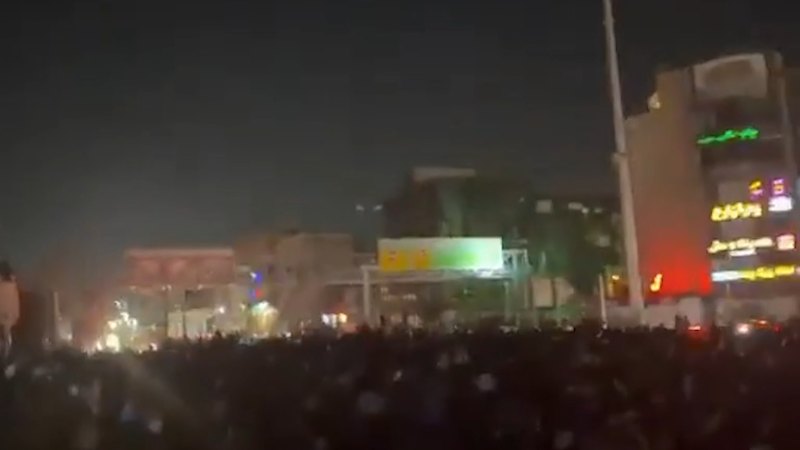
The protests, initially sparked by Amini’s death, quickly evolved into a broader expression of discontent with the Islamic Republic’s conservative policies, economic hardship, and restrictions on personal freedoms. Demonstrators have taken to the streets in cities across Iran, chanting slogans against the government and calling for basic change.
The Roots of the Protests: A Deeper Look
the current wave of protests isn’t an isolated incident. It’s the culmination of years of simmering frustration within Iranian society. Several factors have contributed to the widespread unrest:
- Economic Hardship: Iran’s economy has been struggling under the weight of international sanctions, mismanagement, and corruption. High inflation, unemployment, and a declining standard of living have fueled public anger.
- Social Restrictions: Strict social codes, notably those affecting women, have long been a source of resentment. The mandatory hijab law and limitations on personal expression are seen by many as oppressive.
- Political Repression: Limited political freedoms and a lack of democratic representation contribute to a sense of powerlessness among the population.
- Mahsa Amini’s Death: The death of Mahsa Amini served as a catalyst, igniting long-held grievances and providing a focal point for opposition.
The Government Response and International Reaction
The Iranian government has responded to the protests with a harsh crackdown, deploying security forces, restricting internet access, and arresting thousands of protesters. Reports of excessive force,including the use of live ammunition,have raised serious concerns about human rights violations.
the international community has largely condemned the violence and called for restraint.Many countries have imposed sanctions on Iranian officials and entities involved in the crackdown. However, the effectiveness of these measures remains a subject of debate. The United Nations has also called for an independent investigation into the deaths and arrests related to the protests.
The Future of the Protests and Iran
The future of the protests, and indeed of iran itself, remains uncertain. the government appears steadfast to suppress the unrest, but the underlying grievances that fueled the demonstrations are likely to persist. Several potential scenarios could unfold:
- Continued Repression: The government could maintain its current course, relying on force to quell the protests and tighten its grip on power. This scenario risks further radicalizing the opposition and potentially leading to more widespread violence.
- Limited Reforms: The government could offer limited concessions, such as easing some social restrictions or addressing economic concerns, in an attempt to appease the protesters. However, these reforms may not be enough to satisfy the demands for fundamental change.
- Regime Change: While less likely in the short term, a sustained and widespread uprising could potentially lead to the collapse of the Islamic Republic. this scenario would likely be accompanied by significant instability and uncertainty.
Key Takeaways
- The protests in Iran represent a significant challenge to the Islamic Republic.
- The death toll and number of arrests are alarmingly high, indicating a severe crackdown by the government.
- The protests are rooted in a complex set of economic, social, and political grievances.
- The international community is largely condemning the violence and calling for restraint.
- The future of Iran remains uncertain, with several potential scenarios unfolding.
