
Iran Protests: A Nation in Turmoil and the Looming Threat of Escalation
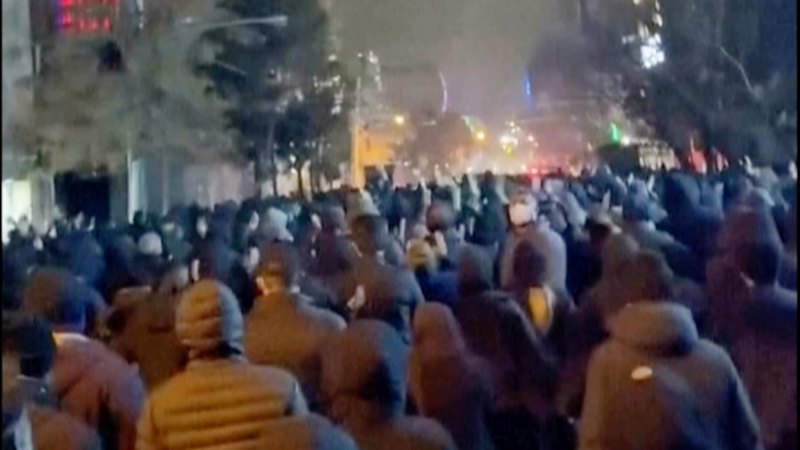
Nationwide protests in Iran, sparked by economic grievances and simmering discontent with the theocratic regime, have entered their third week, escalating into a significant challenge to the ruling establishment. As of today, the death toll has tragically surpassed 116, with thousands more detained, according to reports from activist groups. simultaneously,the United States is reportedly considering military options,raising the specter of a broader regional conflict. This article delves into the core causes of the unrest, the government’s response, the potential for external intervention, and what all of this means for the future of Iran and the world.
The Roots of the Unrest: beyond a Simple Fuel Price Hike
While the immediate trigger for the current protests was a sudden and significant increase in fuel prices – part of a wider austerity plan – the unrest is deeply rooted in a complex web of socio-economic and political factors. Years of economic mismanagement, crippling international sanctions, and widespread corruption have left a large portion of the Iranian population struggling with unemployment, inflation, and limited opportunities. This isn’t simply about the cost of gasoline; it’s about a pervasive sense of hopelessness and a lack of faith in the government’s ability to address their needs.
Economic Hardship and Sanctions
Iran’s economy has been severely hampered by international sanctions, notably those imposed by the United States. These sanctions, originally intended to curb Iran’s nuclear program, have had a devastating impact on the country’s oil exports, its primary source of revenue. This has led to a decline in living standards, a weakening currency, and rising prices for essential goods. While the sanctions aren’t solely responsible for the economic woes, they have undoubtedly exacerbated the situation. According to the International Monetary Fund (IMF), Iran’s economy contracted by 6.0% in 2019 and is projected to remain weak in the coming years.
Suppressed Freedoms and political Dissatisfaction
Beyond economic factors, decades of political repression and limited personal freedoms have fueled a growing sense of resentment towards the ruling theocracy. Restrictions on freedom of speech,assembly,and the press have stifled dissent and prevented the emergence of meaningful political opposition.The current protests represent a pent-up expression of frustration with the religious establishment and its control over all aspects of Iranian life.Many protesters are now explicitly calling for a regime change, a significant escalation in the level of defiance.
The Government’s Response: Crackdown and Censorship
The Iranian government has responded to the protests with a brutal crackdown, employing force to suppress demonstrations and arresting thousands of participants. Authorities have severed internet access and restricted mobile phone networks, effectively creating an details blackout and hindering the ability of protesters to organize and communicate. The state-controlled media portrays the protesters as “terrorists” and “foreign agents,” attempting to delegitimize the movement and justify the harsh response.
The Role of the Revolutionary Guard
The Islamic Revolutionary Guard Corps (IRGC), a powerful paramilitary institution, has been at the forefront of the crackdown. the IRGC, autonomous of the regular army, has a significant influence on Iranian politics and a history of suppressing dissent. Its involvement in the suppression of the protests underscores the regime’s determination to maintain its grip on power. The IRGC’s actions have drawn international condemnation, with many accusing the organization of human rights abuses.
The Death Penalty as a Tool of Intimidation
Statements from Iranian officials, including the Attorney General, warning that protesters will be treated as “enemies of God” and face the death penalty, are a clear indication of the government’s willingness to use extreme measures to crush the uprising. This tactic of intimidation aims to deter further protests and instill fear in the population. Human rights organizations have expressed grave concerns about the potential for mass executions and politically motivated trials.
US Involvement and the Threat of Military Intervention
The situation has drawn the attention of the United States, with President Trump reportedly receiving military options for a strike on Iran. While the extent of US involvement remains unclear, the rhetoric from Washington has been increasingly assertive. The State Department’s warning, “Do not play games with President Trump,” underscores the administration’s willingness to take decisive action. However, a military intervention carries significant risks and could escalate the conflict into a wider regional war.
Analyzing the Military Options
Reports suggest that the military options presented to President Trump include targeting non-military sites in Tehran. Such a move would be highly controversial and could have devastating consequences for civilians.Experts warn that a military strike could trigger a retaliatory response from Iran, potentially involving attacks on US interests in the region, including US troops stationed in Iraq and Syria. The potential for miscalculation and unintended escalation is extremely high.
The Importance of De-escalation
Many international observers are urging restraint and calling for de-escalation. A military intervention would likely exacerbate the humanitarian crisis in Iran and could further destabilize the region. Diplomatic efforts to address the root causes of the unrest and facilitate a peaceful resolution are crucial. International pressure on the Iranian government to respect human rights and engage in dialogue with its citizens is also essential.
The Future of Iran and the Region
The current protests represent a pivotal moment in Iranian history. Whether the uprising will succeed in bringing about meaningful change remains to be seen, but it has already exposed the deep-seated discontent within Iranian society and the fragility of the regime’s authority. The outcome of the crisis will have far-reaching implications for Iran, the Middle East, and the world.
Possible Scenarios
- Continued Repression: The government succeeds in suppressing the protests using force, but the underlying grievances remain, potentially leading to further unrest in the future.
- Regime Change: The protests escalate into a full-scale revolution, leading to the overthrow of the theocratic regime. This scenario carries significant risks of instability and violence.
- Limited Reforms: The government is forced to concede limited reforms in an attempt to address some of the protesters’ demands, but maintains overall control.
- Regional conflict: A miscalculation or escalation leads to a military conflict between the United States and Iran, with potentially devastating consequences for the region.
What to Watch For
Several key factors will determine the future trajectory of the crisis: the government’s response to the protests; the level of international pressure on Iran; the ability of the protesters to maintain momentum; and the potential for divisions within the ruling establishment. Continued internet restrictions and the limited access to information make it challenging to assess the ground situation accurately. Tho, the sheer scale and persistence of the protests suggest that the Iranian people are no longer willing to remain silent.
key Takeaways
- The protests in Iran are rooted in deep economic hardship and political repression.
- the government’s brutal crackdown on protests is exacerbating the situation and fueling resentment.
- The potential for US military intervention raises the risk of a wider regional conflict.
- De-escalation and diplomatic efforts are crucial to prevent further bloodshed and instability.
- The future of Iran remains uncertain, but the protests represent a significant challenge to the ruling theocracy.
