Iran Conflict: Trump-Xi Diplomacy and Hormuz Strait Tensions
On May 14, 2026, President Donald Trump announced that Chinese President Xi Jinping has offered assistance regarding the conflict in Iran, specifically pledging that Beijing will not provide weapons to Tehran. This diplomatic opening arrives as Iran rejects U.S. Ceasefire proposals and asserts absolute control over the Strait of Hormuz.
The global order is currently witnessing a volatile recalibration of power in the Persian Gulf. The central tension is no longer just a bilateral dispute between Washington and Tehran, but a trilateral chess match involving Beijing. The Strait of Hormuz—the world’s most critical oil chokepoint—has become the physical stage for this struggle. When Tehran claims “Hormuz is ours and we will never yield it,” while 30 Chinese vessels simultaneously navigate those same waters, the message is clear: strategic autonomy is being tested in real-time. For the global economy, this is not merely a diplomatic spat. it is a systemic risk to energy security and maritime law.
The Beijing-Washington Axis: Tactical Alignment or Strategic Masking?
The rhetoric emerging from the current diplomatic engagement is strikingly optimistic. President Xi Jinping has characterized the relationship between China and the United States as the most important in the world, asserting that the two superpowers “must be united.” This sentiment provides a necessary veneer of stability, but the underlying power dynamics are far more complex. Trump’s assertion that Xi has offered to help with Iran—and specifically promised to withhold arms from the regime—suggests a potential “grand bargain” where China leverages its economic influence over Tehran to secure its own interests in the West.
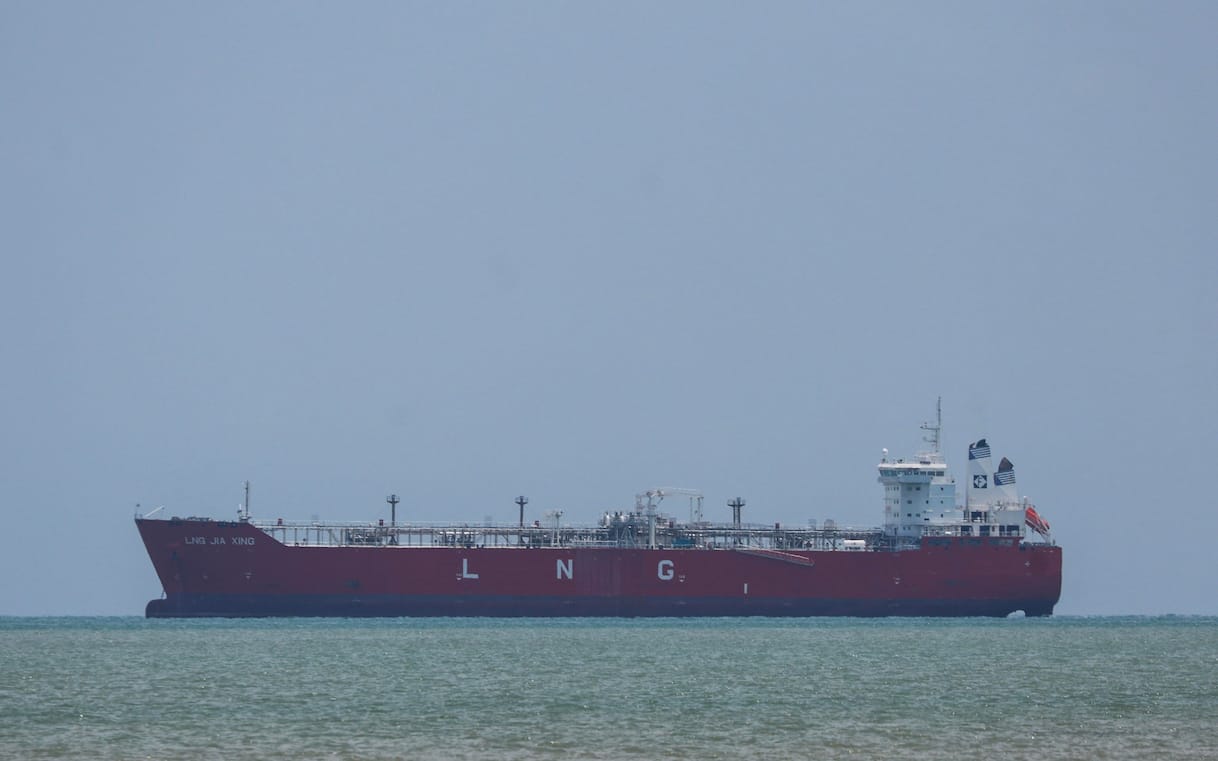
However, the reality on the water contradicts the warmth of the rhetoric. The movement of 30 Chinese ships through the Strait of Hormuz serves as a calculated signal. Beijing is demonstrating that it does not recognize Tehran’s claim of absolute control over the waterway, yet it is doing so without aligning fully with U.S. Naval hegemony. This “middle path” allows China to maintain its role as a primary importer of Iranian oil while appearing as a responsible global actor to the White House.
“The current situation in the Persian Gulf represents a classic security dilemma; as one state increases its perceived security through territorial claims or naval presence, it inadvertently decreases the security of others, triggering a cycle of escalation that can easily slip beyond the control of diplomats.” — Analysis derived from the strategic frameworks utilized by the Council on Foreign Relations.
As these tensions fluctuate, multinational corporations are finding their previous risk models obsolete. The volatility of the region is forcing a shift in how firms handle regional exposure. Many are now onboarding geopolitical risk consultants to map out contingency plans for a total closure of the Strait, which would send global oil prices into a vertical climb.
The Hormuz Standoff and the Failure of the Ceasefire
Tehran’s rejection of the U.S. Ceasefire proposal indicates that the Iranian leadership believes it holds the superior hand. By claiming ownership of the Strait of Hormuz, Iran is targeting the jugular of the global economy. This is a high-stakes gamble. If Iran attempts to physically block the passage of tankers, it would likely trigger an immediate international naval response, potentially involving a coalition of forces beyond just the U.S. Navy.

The complexity is heightened by the “Global Sumud Flottilla,” which has restarted its operations from Turkey. The introduction of non-state activist elements into a high-tension military zone adds a layer of unpredictability. A single miscalculation involving a civilian vessel could provide the spark for a broader kinetic conflict, regardless of the diplomatic progress being made in Beijing.
For the shipping industry, the “ownership” claim over Hormuz is a legal nightmare. The uncertainty regarding transit rights and the potential for seizure of cargo have led to a spike in war-risk insurance premiums. Shipping conglomerates are urgently engaging international maritime lawyers to renegotiate force majeure clauses and ensure that their liability frameworks can withstand a prolonged blockade or state-sponsored seizure of assets.
The European Pivot: Analyzing the Pentagon’s Troop Suspension
In a move that has sent ripples through NATO and European capitals, the Pentagon has suspended the deployment of 4,000 military personnel to Europe. This decision is not an isolated logistical adjustment; it is a strategic pivot. By halting the flow of troops to the European theater, the U.S. May be signaling a reallocation of resources toward the Middle East or, conversely, attempting to reduce the global military footprint to signal a shift toward the diplomatic “help” offered by China.

This suspension creates a perceived security vacuum in Europe, which may be interpreted by adversaries as a sign of American overextension. The interdependence of these theaters—where a conflict in the Gulf impacts energy prices in Germany and military readiness in Poland—highlights the fragility of the current security architecture. The World Bank has frequently noted how regional instability in energy-producing zones creates inflationary pressures that destabilize emerging markets globally.
The macro-economic fallout of this instability is already being felt in the commodities markets. Traders are no longer looking at fundamentals; they are trading on headlines. To navigate this, global firms are increasingly relying on supply chain strategists to diversify their energy sources and reduce reliance on the Persian Gulf corridor.
The Macro Outlook: A Fragile Equilibrium
The current state of affairs can be described as a fragile equilibrium. The U.S. Is betting on Chinese mediation; China is betting on its ability to remain indispensable to both Washington and Tehran; and Iran is betting that the world’s dependence on the Strait of Hormuz is a shield that prevents a full-scale invasion.
If the “no weapons” pledge from Xi Jinping holds, it could significantly degrade Iran’s long-term military capabilities. However, history suggests that in the realm of high-stakes geopolitics, promises are often conditional. The 30 Chinese ships in the Strait are a reminder that Beijing’s primary loyalty is to its own energy security and maritime access, not to the strategic goals of the U.S. State Department.
For further analysis on the movement of global energy markets during this crisis, refer to the latest reporting from Reuters and the market volatility indices provided by Bloomberg. Those seeking a deeper dive into the theoretical shifts of the “New Cold War” can find extensive scholarship in Foreign Affairs.
The global chessboard is shifting toward a multipolar reality where traditional alliances are secondary to transactional necessities. As the U.S. And China attempt to manage the Iranian crisis, the private sector is left to absorb the volatility. Whether through the sudden suspension of troop movements or the bold claims of territorial control over international waters, the message to the B2B world is clear: stability is no longer a given. Navigating this era requires more than just a strategy; it requires a network of elite legal, financial, and security partners who can operate in the grey zones of international diplomacy. The World Today News Directory remains the definitive resource for locating the global consultants capable of hedging against these systemic shocks.