Iran Conditions US Ceasefire on Lebanon Truce
The United States and Israel are navigating a precarious two-week ceasefire with Iran, now threatened by continued Israeli strikes in Lebanon. While Vice President J.D. Vance leads a diplomatic mission to Islamabad, tensions over the Strait of Hormuz and surging Brent crude prices heighten the risk of total regional escalation.
The current geopolitical architecture in the Middle East is not merely fracturing; it is being redesigned in real-time through a volatile mix of brinkmanship and fragile truces. The provisional ceasefire agreed upon this past Wednesday is less a peace treaty and more a tactical pause. For the global market, this instability is a systemic shock. Brent crude has already climbed over 2%, hitting 98 dollars, as the world realizes that the primary artery of global energy—the Strait of Hormuz—remains a hostage to political whims.
When the world’s energy supply is leveraged as a diplomatic tool, the fallout extends far beyond the combatants. Multinational corporations are currently facing unprecedented volatility in fuel costs and shipping insurance. To mitigate these shocks, global firms are increasingly relying on geopolitical risk consultants to model worst-case scenarios and safeguard their operational continuity.
The Islamabad Gamble and the Lebanon Pivot
All eyes are on Islamabad. Vice President J.D. Vance is slated to lead the U.S. Delegation in negotiations this Saturday. However, the atmosphere in Pakistan is one of high tension rather than hopeful diplomacy. The Pakistani government has locked down key access points and deployed the army, signaling that even the venue for peace is a high-security combat zone.

The primary obstacle is not the U.S.-Iran bilateral relationship, but the bloodletting in Lebanon. Iran has been explicit: there will be no meaningful dialogue with Washington unless the ceasefire extends to Lebanon. This represents a calculated move by Tehran to protect its regional proxies and force a halt to the devastating Israeli offensive.
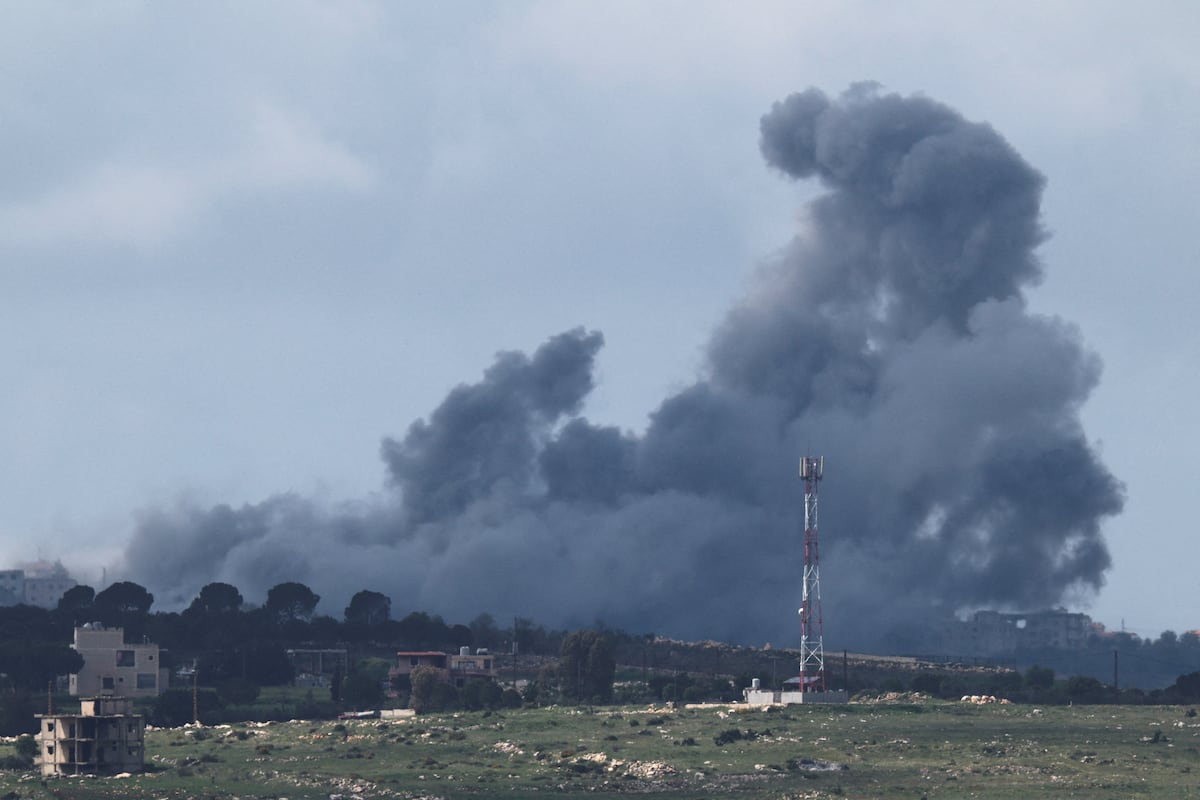
The reality on the ground in Lebanon tells a different story. Israel continues to strike the heart of Beirut and has ordered immediate evacuations in the south, pushing residents north of the Zahrani River. The human cost is staggering, with at least 130 children killed in the last five weeks. Even the international community is not immune; five Indonesian UN peacekeepers were recently wounded, two of them critically.
This deadlock creates a legal and diplomatic vacuum. As these nations navigate conflicting ceasefire terms, international firms operating in the region are urgently seeking international trade lawyers to navigate the complex web of sanctions and emergency maritime laws that emerge during such conflicts.
The Hormuz Chokepoint: Trump’s Red Line
While diplomats prepare for Islamabad, President Donald Trump is engaging in a different kind of diplomacy: public threats via Truth Social. The flashpoint is the Strait of Hormuz. Iran has attempted to implement a toll on vessels traversing the strait, a move that Trump has characterized as unacceptable.
The President previously set a hard deadline—Tuesday at 8:00 p.m. Eastern Time—for Iran to reopen the strait. His rhetoric has been blunt, suggesting that Iran could be “eliminated in one night.” While the current ceasefire provides a temporary reprieve, the underlying conflict over maritime sovereignty remains unresolved.
The economic implications are immediate. The Strait of Hormuz is the world’s most important oil transit chokepoint. Any prolonged closure or the imposition of Iranian tolls would trigger a global inflationary spike. This volatility forces shipping conglomerates to pivot their strategies, often consulting with maritime logistics experts to find alternative routes or secure high-risk transit insurance.
“The celebration of conversations to position an end to the war depends on the fulfillment by the United States of the ceasefire commitments on all fronts, especially in Lebanon.” — Ismail Bagaei, Spokesperson for the Iranian Ministry of Foreign Affairs
Military Readiness and ‘Operation Epic Fury’
Despite the diplomatic veneer of the two-week truce, the U.S. Military is not standing down. The U.S. Army has confirmed that its contingents remain in the region, maintaining full readiness to reactivate “Operation Epic Fury” if the truce collapses.
This “ready-to-strike” posture serves as the necessary muscle behind the Islamabad negotiations. It is a classic application of coercive diplomacy: offering a seat at the table while keeping the missiles primed. The tension is compounded by the fact that Israel is simultaneously pursuing “direct conversations” for the disarmament of Hezbollah, even as it continues to bomb Lebanese neighborhoods.
The global security landscape is now defined by these overlapping layers of conflict: a formal ceasefire between states, a proxy war in Lebanon, and a maritime standoff in the Gulf. For those tracking the macro-economic ripple effects, the focus should remain on the following key indicators:
- Brent Crude Stability: Any breach of the $100 mark will signal a failure of the Islamabad talks.
- Lebanese Evacuations: Continued Israeli movement in Beirut suggests the “two-week” window is being used for tactical positioning rather than peace.
- Hormuz Transit: The presence of Iranian-affiliated ships in the strait suggests a tentative compliance, but Trump’s rhetoric indicates a low tolerance for deviation.
The world is currently witnessing a high-stakes game of geopolitical chicken. The players—Trump, Netanyahu, and the Iranian leadership—are operating on a timeline where a single miscalculation in Beirut or a single seized tanker in Hormuz could render the Islamabad talks irrelevant.
As the global chessboard shifts, the ability to navigate these crises depends on access to specialized, vetted expertise. Whether it is securing supply chains against maritime blockades or managing the legal fallout of shifting sanctions, the complexity of 2026 requires more than just news—it requires a strategic partnership. The World Today News Directory remains the essential resource for connecting global enterprises with the legal, financial, and security consultants capable of weathering this storm.