
Flights to Dubai were disrupted and global oil prices surged on Friday, March 1, 2026, following a joint military operation by the United States and Israel targeting Iran, reportedly resulting in the death of Iran’s Supreme Leader Ayatollah Ali Khamenei. The attacks, which occurred hours before the announcement of Khamenei’s death by U.S. President Donald Trump, prompted retaliatory missile and drone launches by Iran toward Gulf Arab states and Israel.
According to reports, the strikes targeted Khamenei’s residence in Tehran, which Israeli Prime Minister Benjamin Netanyahu claimed was “destroyed in a powerful and surprise attack.” While initial reports from Iranian state media indicated Khamenei was “steadfastly commanding from the field,” state broadcasters later confirmed his death.
Iran responded by launching missiles and drones toward Bahrain, Kuwait, Qatar, the United Arab Emirates, and Israel, according to reports. Videos circulating online showed the aftermath of the strikes within Iran, including smoke rising above Jumhuri Square and Hassan Abad Square in Tehran.
The attacks immediately impacted air travel, with flights departing from Incheon International Airport in South Korea to Dubai being canceled on Sunday, March 1, 2026, as reported by Yonhap News Agency. Dubai International Airport sustained damage during Iran’s retaliatory strikes, resulting in four employee injuries, according to Reuters.
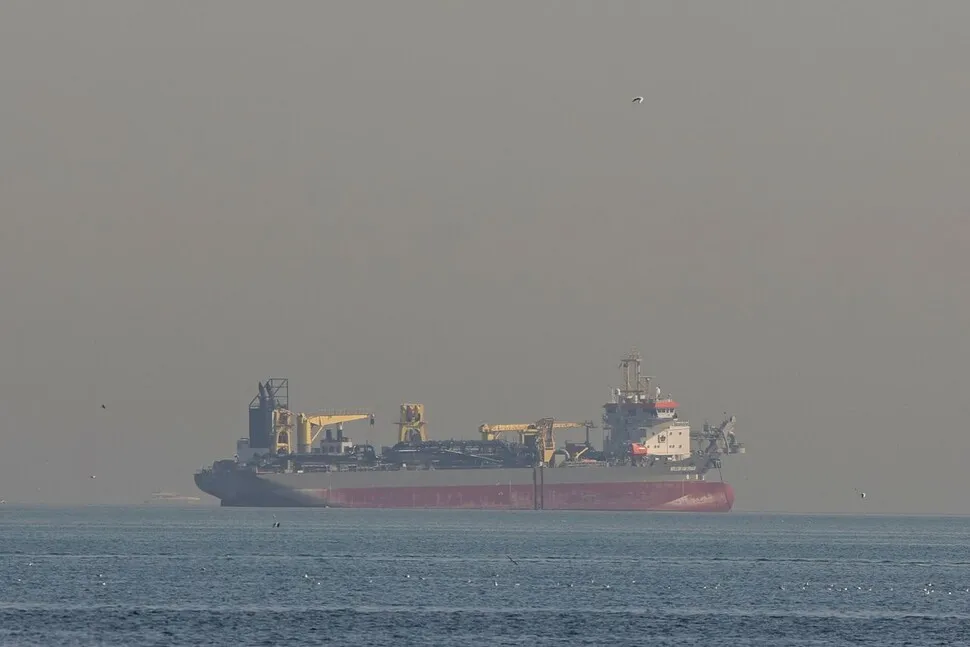
The situation has raised concerns about potential disruptions to global energy supplies. Iran’s Revolutionary Guard Corps announced the closure of the Strait of Hormuz, a critical waterway for approximately 20% of the world’s oil tanker traffic. Several major oil companies have reportedly suspended transit through the strait due to safety concerns. Bloomberg reported that Qatar, the world’s second-largest exporter of liquefied natural gas (LNG), has effectively halted gas shipments via the Strait of Hormuz.
Oil markets reacted sharply, with West Texas Intermediate (WTI) crude oil trading as high as $75.33 per barrel in derivative markets, a 12% increase from the previous trading day. Barclays predicted that Brent crude could reach $100 per barrel. Oil prices had already risen by approximately 15% earlier in the year due to heightened tensions in the region.
The South Korean government convened emergency meetings to assess the potential impact on energy supplies, exports, and financial markets. Vice Premier and Minister of Economy and Finance Koo Yun-cheol emphasized the need for proactive measures to address potential volatility in international energy prices, given South Korea’s high dependence on the Middle East for energy. The government is exploring options to adjust shipping schedules and secure alternative routes.
While South Korea maintains several months’ worth of oil and gas reserves at nine strategic storage facilities, officials indicated they are prepared to release additional supplies from those reserves if the crisis escalates. A “Joint Emergency Response Team” has also been activated.
Potential disruptions to logistics and decreased demand in the Middle East could negatively impact South Korean exports. The Ministry of Trade, Industry and Energy noted that major container shipping companies have already begun rerouting traffic around the Cape of Good Hope instead of using the Suez Canal, potentially mitigating the impact on sea freight. Yet, exports to the Middle East, which account for approximately 3% of South Korea’s total exports, are at risk. The Korea International Trade Association estimates that rerouting shipments through alternative routes could add 50-80% to transportation costs and cause delays.
Korean Air suspended flights to Dubai until March 5, 2026, following the disruption of a flight on February 28th. Business activities of Korean companies operating in the Middle East are also expected to be affected.
Financial markets, closed for a holiday until March 2nd, are expected to react to developments in the region and global market trends upon reopening. The government and industry are closely monitoring whether the situation will de-escalate quickly or escalate into a broader conflict across the Middle East, as the potential consequences hinge on this outcome.
