Iran and US Fail to Reach Middle East Peace Deal
US President Trump has threatened an immediate blockade of the Strait of Hormuz following the collapse of peace talks with Iran in Pakistan on Sunday, April 12, 2026. While no immediate hostilities have resumed after 43 days of conflict, the threat to close this critical maritime chokepoint risks triggering a global energy crisis and destabilizing international trade.
The failure of the marathon diplomatic efforts in Pakistan marks a precarious turning point in a conflict that has already spanned six weeks. For 43 days, the Middle East has been gripped by a volatility that has kept global markets on edge. The collapse of these talks is not merely a diplomatic setback; it is a catalyst for a potential economic shockwave that could be felt from East Asia to Western Europe.
The stakes could not be higher.
The Pakistan Deadlock and the Return to Brinkmanship
The diplomatic summit in Pakistan was designed as a final attempt to resolve the hostilities between the United States and Iran. For days, negotiators engaged in what sources described as marathon sessions, attempting to locate a middle ground that would allow both nations to cease operations without losing strategic face. However, as of Sunday, those efforts have officially failed to produce a deal.

While the immediate aftermath of the failed talks has not seen a return to active combat, the silence is deceptive. The transition from “failed diplomacy” to “active blockade” is a narrow one. By announcing an immediate blockade of the Strait of Hormuz, the Trump administration is shifting its strategy from containment and negotiation to aggressive economic strangulation.
This move represents a massive escalation. A blockade of this magnitude is not a surgical strike; it is a blunt instrument of geopolitical power that targets the flow of global commerce to force a political concession.
The Strategic Fragility of the Strait of Hormuz
To understand why a blockade of the Strait of Hormuz is the “nuclear option” of economic warfare, one must look at the geography. The Strait is the only exit from the Persian Gulf for the massive quantities of oil and liquefied natural gas (LNG) produced by regional powers. It is a narrow waterway where, at its tightest point, shipping lanes are only a few miles wide.
When the US threatens to “blockade” this region, it is threatening to hold the world’s energy supply hostage. Any disruption here immediately spikes the cost of crude oil, which in turn inflates the price of everything from plastics to gasoline and heating oil. For businesses relying on just-in-time supply chains, the unpredictability of shipping in a contested zone is a nightmare scenario.
Companies are already feeling the pressure. To mitigate these risks, many firms are now scrambling to secure geopolitical risk analysts to model the impact of a total closure on their quarterly operations.
The Russian Variable: Putin’s Diplomatic Gambit
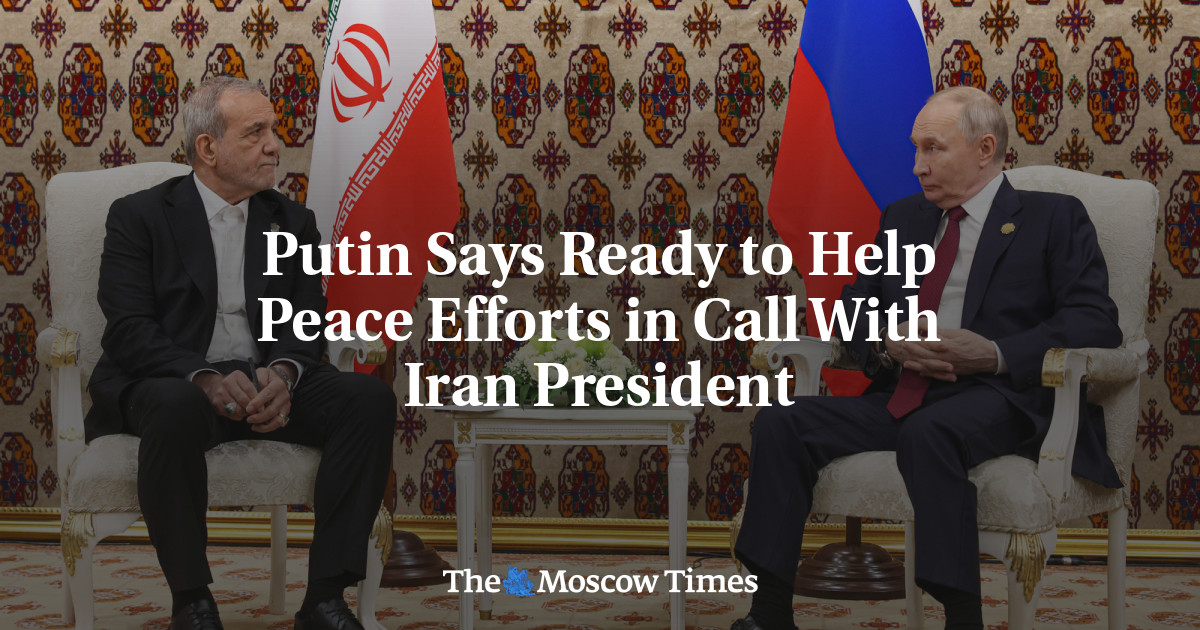
Amidst the escalating tension between Washington and Tehran, Vladimir Putin has entered the fray. In a recent call with the President of Iran, Putin explicitly stated that Russia is ready to assist in peace efforts. This intervention is strategically timed. By positioning Russia as a mediator, the Kremlin seeks to increase its influence in the Middle East while presenting itself as the “rational” alternative to the aggressive posture of the United States.
Putin’s offer to help peace efforts creates a complex triangular diplomacy. If Iran views Russia as its primary diplomatic shield, it may be less inclined to buckle under the pressure of a US blockade. Conversely, if Russia can successfully broker a deal, it secures a massive geopolitical victory, effectively sidelining US diplomatic primacy in the region.
The tension is palpable. The world is watching to see if Putin’s “help” is a genuine attempt at stabilization or a tactical move to ensure the conflict remains managed but unresolved, keeping the US bogged down in a regional quagmire.
Analyzing the Impact: Current State vs. Blockade Scenario
The difference between the current state of “no immediate hostilities” and a full-scale blockade is stark. The following table outlines the projected shifts in global stability should the blockade be implemented.
| Factor | Current Status (Post-Talks Failure) | Potential Blockade Impact |
|---|---|---|
| Oil Transit | Flowing, though under high tension | Severe restriction or total stoppage |
| Shipping Insurance | Elevated premiums for war zones | Prohibitive costs; “uninsurable” status |
| Market Volatility | High speculation and nervousness | Panic selling and extreme price spikes |
| Diplomatic Route | Failed US-Iran talks; Russia mediating | Shift to crisis management and sanctions |
For the maritime industry, What we have is a legal and logistical minefield. Vessel owners and cargo insurers are now consulting international trade attorneys to determine the legality of “force majeure” declarations and to protect themselves against catastrophic losses in the event of ship seizures or combat damage.
The Economic Ripple Effect
A blockade does not just affect oil. It affects every single container ship moving through the region. From electronics to raw materials, the global supply chain is built on the assumption of open seas. When that assumption is removed, the result is systemic inflation. Municipal governments and regional economies that depend on imported energy will see an immediate spike in operational costs, potentially leading to local austerity measures or infrastructure delays.
The logistics of bypassing the Strait are limited and prohibitively expensive. Pipelines exist, but they cannot handle the sheer volume of the Strait’s daily traffic. This creates a bottleneck that can paralyze entire sectors of the global economy within days.
As the situation evolves, the need for vetted maritime shipping specialists becomes critical for companies attempting to reroute assets or secure alternative energy sources before the window of opportunity closes.
For more detailed official updates on international sanctions and maritime law, stakeholders should monitor the U.S. Department of State and reports from the U.S. Energy Information Administration.
The failure of the Pakistan talks has stripped away the veneer of diplomatic patience. We are no longer talking about the *possibility* of conflict, but the *mechanics* of economic warfare. Whether Putin’s mediation can bridge the gap or if Trump’s blockade will trigger a global energy shock remains the defining question of the hour. In an era of such extreme volatility, the only true safeguard is preparation. Those who wait for the blockade to begin before seeking professional guidance will find themselves navigating the storm without a map. To find verified experts capable of managing these complexities, the World Today News Directory remains the essential resource for global business continuity.