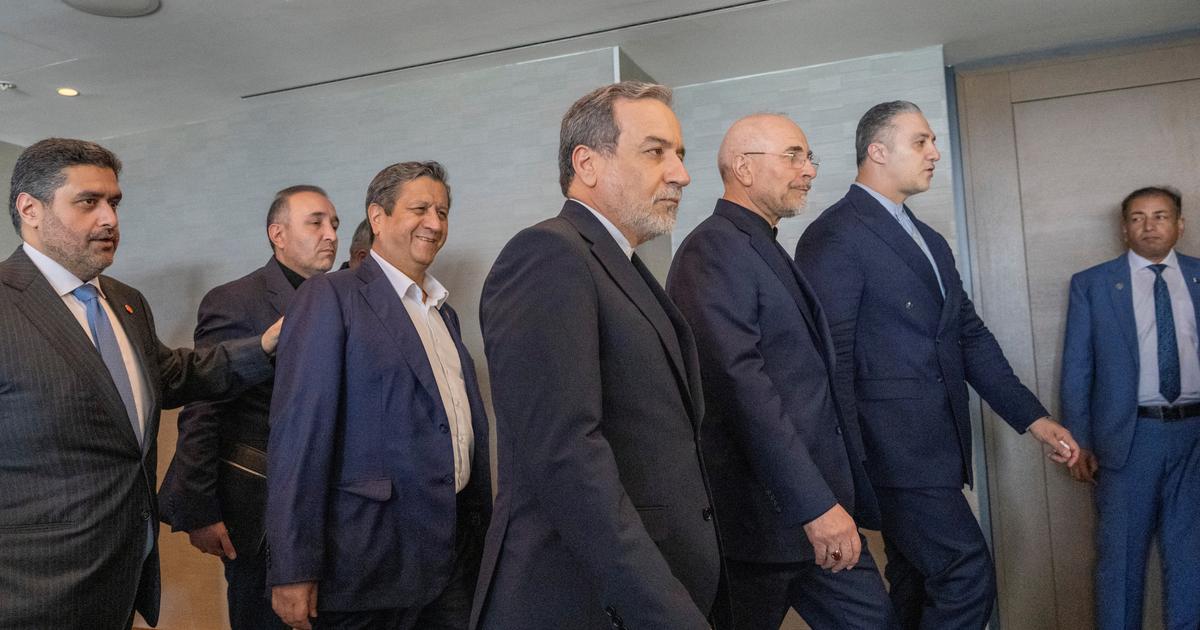
Iran and US Establish Communication Channel to Secure Strait of Hormuz Transit
United States and Iranian officials have established a direct communication channel to stabilize maritime transit through the Strait of Hormuz, according to mediators in Switzerland. This de-escalation effort aims to prevent accidental military skirmishes in the world’s most critical oil chokepoint, where nearly 20% of global petroleum consumption passes daily.
The Strategic Significance of the Hormuz Channel
The Strait of Hormuz remains a central nervous system for the global energy market. Connecting the Persian Gulf to the Gulf of Oman, the narrow passage serves as the primary exit route for crude oil exports from Saudi Arabia, the United Arab Emirates, Kuwait, and Iraq. Any disruption here does not merely threaten regional security; it triggers immediate volatility in global commodity pricing.

The decision to formalize a communication line follows months of heightened naval posturing. According to the U.S. Energy Information Administration, the chokepoint is as narrow as 21 miles at its tightest point, making it exceptionally vulnerable to blockades or kinetic interference. For global shipping firms, this creates an environment of extreme operational risk.
“The establishment of a ‘hotline’ mechanism represents a pragmatic departure from recent rhetoric. It is a recognition by both Tehran and Washington that the cost of a miscalculation in the Strait exceeds the political value of continued brinkmanship,” says Dr. Arash Al-Hosseini, a senior fellow at the Center for Regional Security.
Operational Risks for International Commerce
While diplomatic channels may lower the temperature, the underlying risk profile for commercial vessels remains elevated. Insurance premiums for tankers traversing the region have fluctuated wildly over the last 24 months, forcing many logistics companies to reconsider their maritime routes. Businesses operating in the Middle East are now prioritizing risk mitigation over cost-efficiency.
When supply chains face localized instability, companies often turn to international trade law firms to navigate the complexities of maritime insurance claims and force majeure clauses. Similarly, firms managing high-value shipments through the region frequently seek the guidance of maritime security consultants to ensure their vessels are compliant with the latest international safety protocols.
“A communication line is a tool, not a guarantee. We are advising our clients to maintain their security posture regardless of diplomatic headlines, as the tactical reality on the water can shift faster than the political reality in the capital.” — Senior Maritime Risk Analyst, London-based advisory firm.
Comparing Regional Security Frameworks
The current U.S.-Iran negotiation marks a shift from previous, multilateral approaches to regional security. The following table illustrates the historical shift in how these powers have managed the Strait:

| Period | Primary Management Mechanism | Outcome |
|---|---|---|
| 2022–2024 | Multilateral naval coalitions | High tension; persistent seizure of tankers |
| 2025 | Unilateral sanctions enforcement | Increased risk to commercial shipping |
| 2026 | Direct bilateral communication | Focus on tactical de-escalation |
Why Diplomatic Channels Fail Under Pressure
History shows that diplomatic channels are only as robust as the political will behind them. During past periods of friction, similar “hotlines” have been ignored or utilized for disinformation rather than de-escalation. The efficacy of the current agreement depends entirely on the technical capacity of commanders on the ground to interpret orders from their respective ministries in real-time.
For corporations with assets in the Persian Gulf, the instability is a permanent fixture of the operating environment. Beyond legal and security concerns, companies are increasingly relying on corporate intelligence agencies to provide real-time monitoring of geopolitical shifts. These services offer the granular data required to make split-second decisions when the headlines turn from negotiation to conflict.
The Path Forward: Resilience Over Reliance
As the sun rises on June 22, 2026, the global market will be watching the Strait for any sign of a breach in this newly established communication. Despite the optimism surrounding these talks, the underlying geopolitical friction between the United States and Iran remains unresolved. The agreement is a stopgap, not a solution to the broader regional power struggle.
For the logistics and energy sectors, the lesson remains the same: reliance on diplomatic stability is an insufficient strategy. True resilience is built through diversified supply chains and the engagement of specialists who understand the mechanics of regional volatility. Whether you are a multinational corporation needing to secure your assets or a regional player navigating shifting regulatory landscapes, the necessity for expert guidance has never been more pressing. Explore our verified network of international security and legal professionals to ensure your operations remain shielded from the next inevitable turn in this long-running maritime crisis.