
Apple iPhones: Maintaining Affordability… For Now
Apple’s 2017 iPhone X marked a turning point, ushering in a new era of premium smartphones priced over $1,000. Surprisingly,despite eight years of inflation and technological advancements,iPhone pricing has remained relatively stable. The iPhone 17 Pro now starts at $1099 – just a $100 increase – while the base iPhone model holds steady around $799, only $100 more than its 2017 counterpart.
Leading up to the iPhone 17 launch, analysts predicted notable price hikes, fueled by potential tariffs on Chinese imports imposed by former US President Donald Trump. Though, Apple largely absorbed these costs. While the “Pro” models saw a $100 increase (from $999 to $1099), Apple offset this by doubling the base storage to 256GB.The new iPhone Air,positioned as an option to the iPhone 16 Plus,also experienced a $100 price increase,reaching $999. A surge in early-year purchases by consumers anticipating higher prices kept the overall impact minimal.
This affordability is unlikely to last. Apple will likely struggle to permanently absorb rising costs, including tariffs. Shifting production from China to India won’t fully resolve the issue. The company is already signaling a future of $2,000+ iPhones.
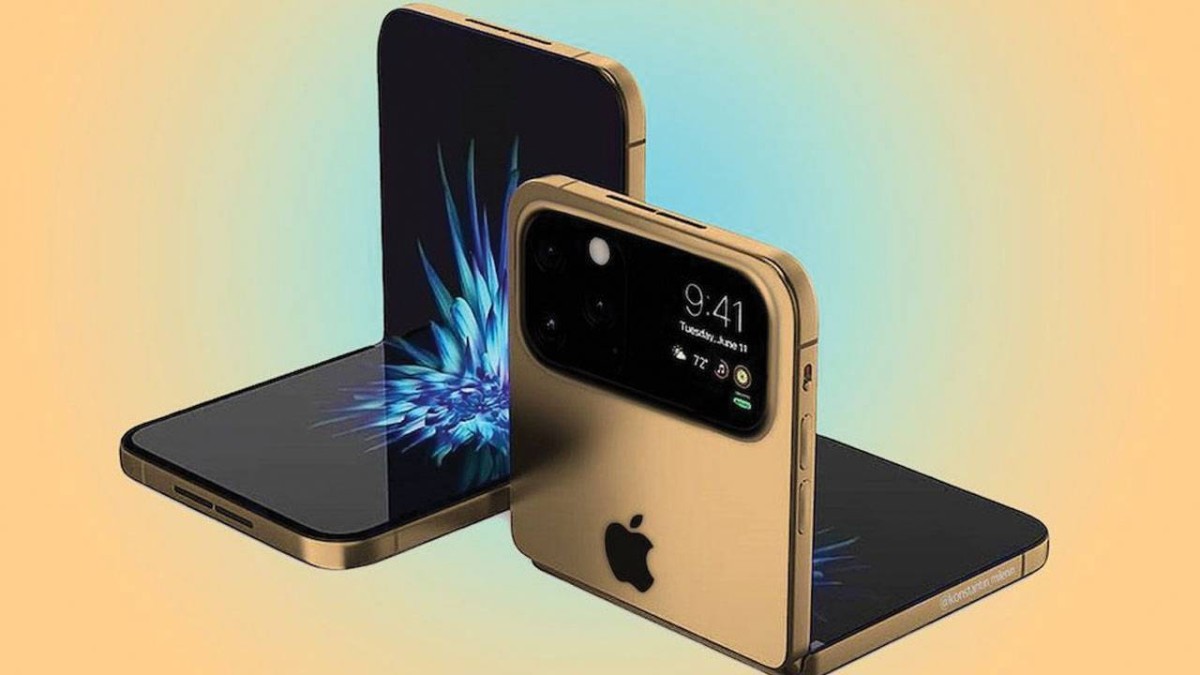
This trend is already visible with the iPhone 17 Pro Max, wich offers a 2TB storage option for around $2,000 - the closest Apple has come to that price point. Looking ahead, Apple plans to release its first foldable iPhone next year, aiming to compete with offerings from Samsung and Google, currently priced between $1,799 and $2,419 depending on features. the future of iPhones points towards a considerably higher price bracket.
