
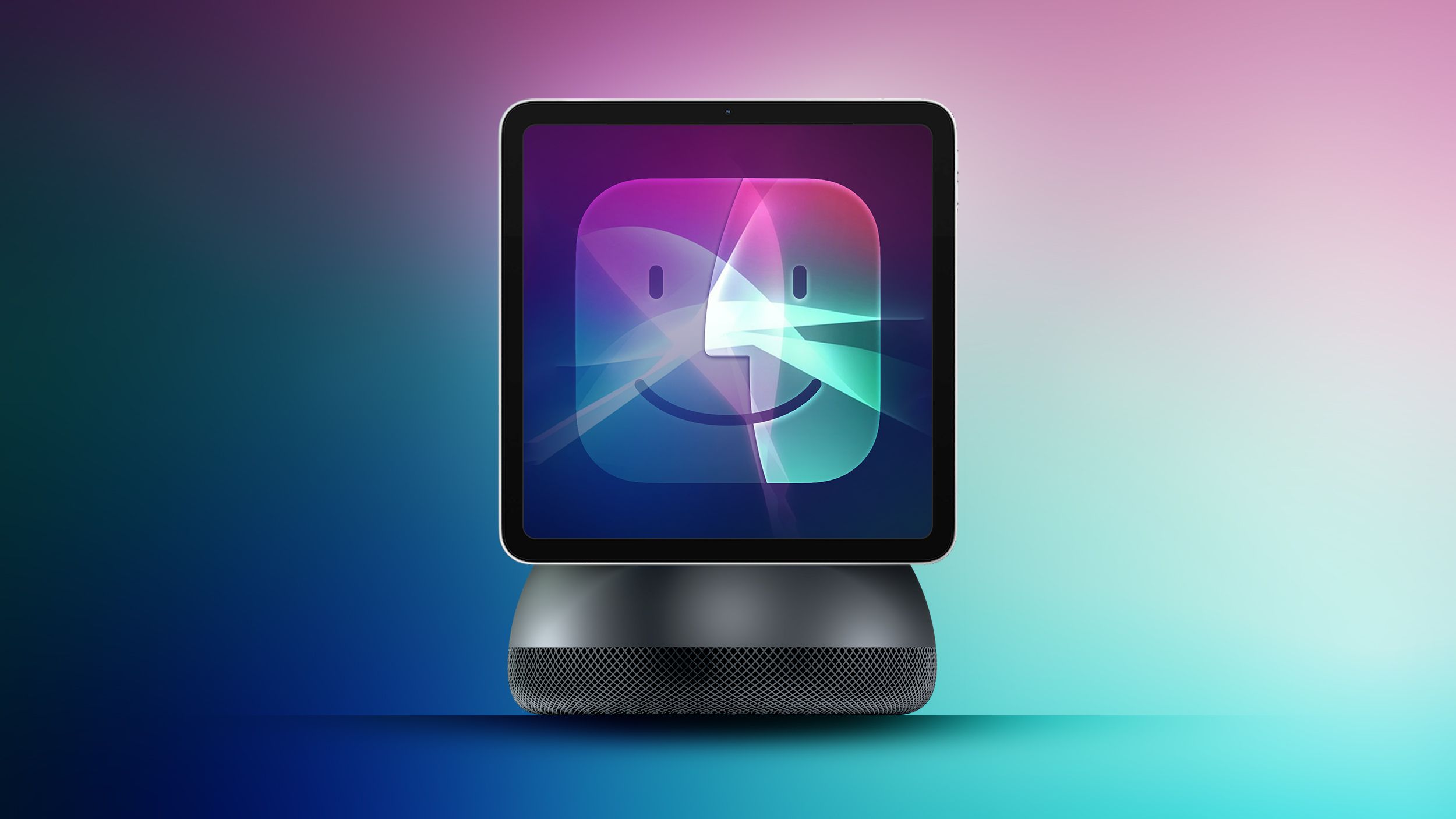
Apple is now at teh center of a structural shift involving the convergence of AI‑driven voice assistants and the smart‑home Internet‑of‑Things market. The immediate implication is a deeper entrenchment of Apple’s data‑centric ecosystem and a new competitive front against Google and Amazon.
The Strategic Context
Over the past decade, consumer‑grade AI assistants have moved from novelty to core household interface, while privacy‑focused regulation (e.g., GDPR, California Consumer Privacy Act) has heightened scrutiny of data collection practices. Simultaneously, the smart‑home market has matured into a battleground for platform lock‑in, with Google Nest and Amazon Echo establishing dominant positions. Apple’s historical strategy of integrating hardware, software, and services under a privacy‑by‑design banner positions it to leverage the upcoming “Apple Intelligence” platform to differentiate its entry into this space.
Core Analysis: Incentives & Constraints
Source Signals: The leaked iOS 26 code references a forthcoming smart‑home hub featuring a 1080p camera,Face ID authentication,automatic user‑profile switching,support for Apple Intelligence and the next‑generation Siri,a 7‑inch square display,and an optional speaker base. Launch is expected alongside iOS 26.4 in March or April. A separate accessory (code‑named J229) is described as a sensor‑rich device capable of detecting alarm sounds and capturing images.
WTN Interpretation: Apple’s push reflects three structural drivers: (1) the monetization of AI‑enhanced services through a premium hardware foothold; (2) the desire to tighten ecosystem lock‑in by offering a unified interface for media, communication, and home control; and (3) the need to pre‑empt regulatory pressure by embedding privacy‑preserving authentication (Face ID) and on‑device processing (Apple Intelligence). Constraints include the global semiconductor supply chain,which remains vulnerable to geopolitical tensions,and the growing scrutiny of AI‑driven data practices by regulators in the EU and US. Apple must also balance the cost premium of a high‑end hub against price‑sensitive competition from lower‑cost Amazon and Google devices.
WTN Strategic Insight
“Apple’s smart‑home hub is less about a new product line than about cementing a privacy‑frist AI platform that forces rivals to compete on data governance as much as on price.”
Future Outlook: Scenario Paths & Key Indicators
Baseline Path: If supply‑chain constraints ease and regulatory reviews remain limited, Apple launches the hub on schedule, integrates it tightly with iOS 26.4, and leverages Apple Intelligence to drive subscription uptake (e.g., iCloud+, Apple TV+, health services). The device becomes a premium entry point for new households,reinforcing Apple’s ecosystem lock‑in and generating incremental services revenue.
Risk Path: If privacy regulators issue a formal inquiry into on‑device AI processing or if component shortages delay production, Apple may postpone the launch or scale back features (e.g., omit the camera). Competitors could capitalize on the gap, accelerating their own AI‑enhanced hubs, while consumer sentiment shifts toward open‑platform alternatives.
- Indicator 1: Official iOS 26.4 release notes and timeline (expected March‑April 2026).
- Indicator 2: Filings or public statements from EU or US privacy regulators concerning AI‑driven voice assistants.
- Indicator 3: Quarterly supply‑chain reports on semiconductor and camera module availability for Apple’s upcoming hardware.
- Indicator 4: Pre‑order or market‑research data on consumer interest in premium smart‑home devices versus lower‑cost alternatives.
