Investigation Underway After Death and 35 Fever Cases on Chihuahua-Sinaloa Border
Fatal Fever Outbreak Strikes Remote Chihuahua Community
The isolated community sits in the Guadalupe y Calvo municipality along the rugged border shared by Chihuahua and Sinaloa.
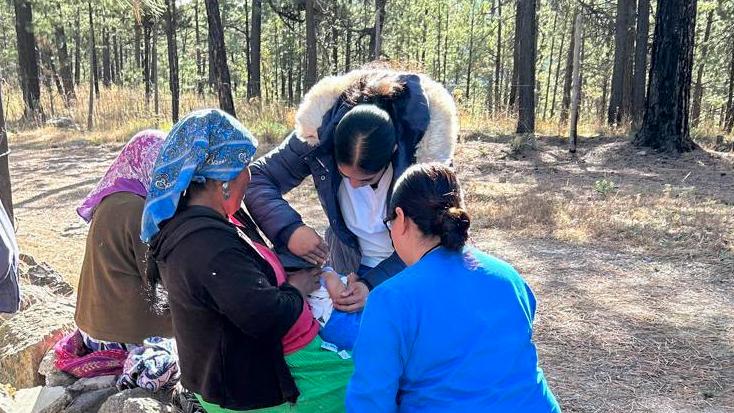
State agencies launched joint epidemiological investigations to determine the underlying pathogen, deploying mobile medical units and aerial support to reach the mountainous region.
Coordinated Inter-Agency Response Overcomes Severe Terrain
The Secretariat of Health for the State of Chihuahua officially confirmed the outbreak and the subsequent fatality following reports of widespread illness in the remote mountain settlement.
According to state health bulletins, a team of medical professionals and epidemiologists was immediately scheduled for transport via aircraft into the community due to severe geographical barriers limiting conventional roadway access. Officials from both Chihuahua and Sinaloa established a coordinated operational framework to track the contagion, administer urgent care, and evaluate the scope of the outbreak among local residents.
Logistical Hurdles in Mexico’s Isolated Indigenous Zones
As state investigators work to isolate the cause of the cluster, municipal authorities and regional health networks face immediate logistical obstacles common to Mexico’s isolated indigenous zones.
Mobile Medical Units and Humanitarian Aid Deliveries
To mitigate the immediate health risks in Jucapore, the state government deployed two specialized Mobile Medical Units to the mountainous border zone. These units bring frontline triage capability directly to affected residents who otherwise lack immediate access to brick-and-mortar clinics.

Alongside the health deployment, the Secretariat of Indigenous Peoples and Communities coordinated the dispatch of 50 nutritional food packages designed to support vulnerable families sheltering in the area during the ongoing investigation.
State health officials emphasized that no definitive clinical diagnosis has yet been established to link the 35 symptomatic individuals to the adolescent fatality.
Medical teams continue to collect diagnostic data on the ground, examining environmental factors, vector-borne risks, and water safety to isolate the root cause of the spike in febrile illness. The joint operation remains active as officials await laboratory results from samples gathered during the initial aerial and ground deployments.