
The growing Concerns over Misuse of International Policing adn human Rights
The increasing reliance on international policing mechanisms – organizations like Interpol and coordinated law enforcement efforts across borders – is facing growing scrutiny.While intended to combat transnational crime, these systems are increasingly vulnerable to misuse, potentially leading to human rights violations and politically motivated targeting. Amnesty International, along with other human rights organizations, is at the forefront of campaigning against these abuses and advocating for stronger protections for individuals at risk. This article delves into the complexities of international policing, the documented instances of misuse, the legal frameworks attempting to address these concerns, and what the future may hold for safeguarding human rights in an increasingly interconnected world.
The Rise of International Policing: A Necessary Evil?
Transnational crime – encompassing everything from human trafficking and drug smuggling to cybercrime and terrorism – poses a significant threat to global security and stability. Traditional law enforcement methods,limited by national borders,are often insufficient to address these challenges effectively. This has fueled the growth of international policing cooperation, primarily through organizations like Interpol, Europol, and bilateral extradition treaties https://www.interpol.int/en.
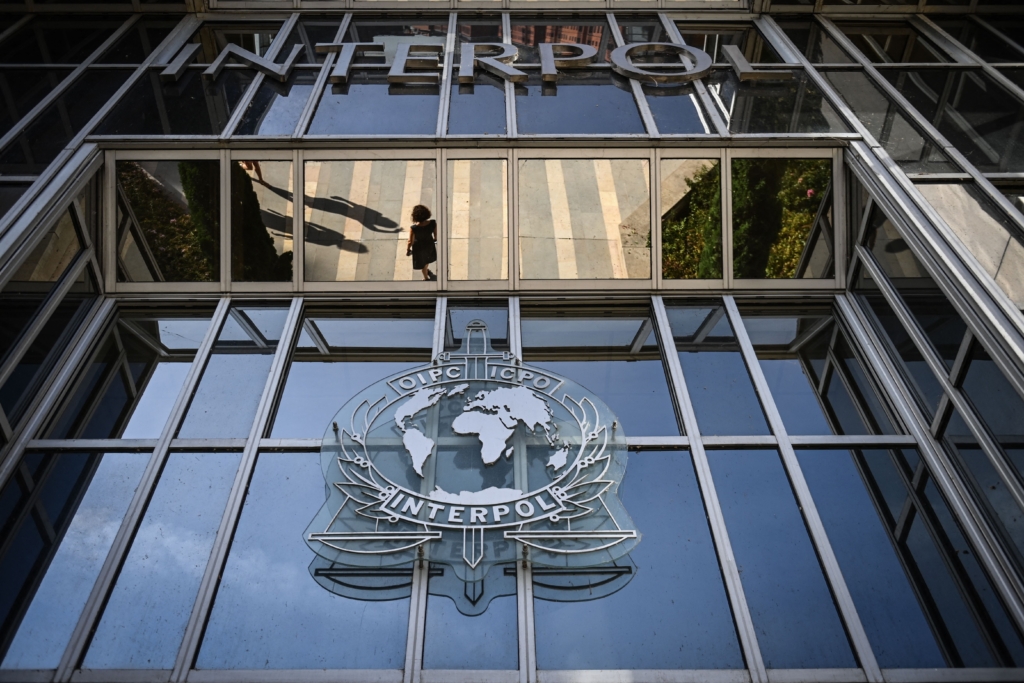
Interpol, the International Criminal Police institution, is arguably the most well-known. Founded in 1923, it facilitates police cooperation across 195 member countries by providing a platform for sharing criminal data, issuing notices (like Red Notices requesting provisional arrest), and coordinating investigations https://www.interpol.int/who-we-are. Europol, focused on the European Union, performs a similar function within its member states https://www.europol.europa.eu/.
The benefits are clear: enhanced details sharing, streamlined investigations, and increased apprehension of criminals operating across borders. However, this increased cooperation comes with inherent risks. The very mechanisms designed to fight crime can be exploited for political purposes, leading to the persecution of individuals and the erosion of essential rights.
Documented Cases of Abuse: When Policing Becomes Persecution
The concerns aren’t theoretical. Amnesty International and other organizations have documented numerous cases where international policing mechanisms have been misused. These abuses fall into several key categories:
* Red Notice Abuse: Interpol’s red Notices, while intended for serious criminals, have been issued for individuals accused of politically motivated offenses, or based on flimsy evidence. Amnesty International has highlighted cases where Red Notices were used to target journalists, human rights defenders, and political dissidents https://www.amnesty.org/en/what-we-do/red-notice-abuse/. These notices can lead to arbitrary arrest and detention, effectively circumventing due process.
* Extradition for Political Reasons: Extradition treaties, while legitimate tools for transferring suspects to face justice, can be weaponized. Individuals may be extradited to countries with questionable human rights records, where they face torture, unfair trials, or political persecution. The case of Julian Assange, the WikiLeaks founder, exemplifies the complexities and controversies surrounding extradition requests and their potential political motivations https://www.theguardian.com/media/julian-assange.
* Data Sharing and Surveillance: The sharing of personal data between law enforcement agencies, while crucial for investigations, raises privacy concerns. without adequate safeguards,this data can be misused for mass surveillance,profiling,and discriminatory targeting. The Snowden revelations in 2013 highlighted the extent of global surveillance programs and the potential for abuse https://theintercept.com/snowden/.
* Lack of Clarity and Accountability: Many international policing operations lack transparency, making it arduous to scrutinize their actions and hold them accountable for abuses. This lack of oversight creates a breeding ground for impunity.
The legal Framework: Attempts at Safeguarding rights
Recognizing these risks, several legal frameworks have been developed to address the potential for abuse.
* Interpol’s Rules on Notices: Interpol has established rules governing the issuance and use of Red Notices, including a Commission for the Control of Files (CCF) that reviews requests and can refuse to publish notices that violate its rules https://www.interpol.int/en/How-we-work/Notices/Commission-for-the-Control-of-Files. However, critics argue that the CCF lacks sufficient independence and resources to effectively address all complaints.
* International Human Rights Law: Fundamental human rights principles,enshrined in treaties like the International Covenant on Civil and political Rights (ICCPR) [https://www.ohchr.org/en/professionalinterest/pages/iccpp.aspx], apply to international
