
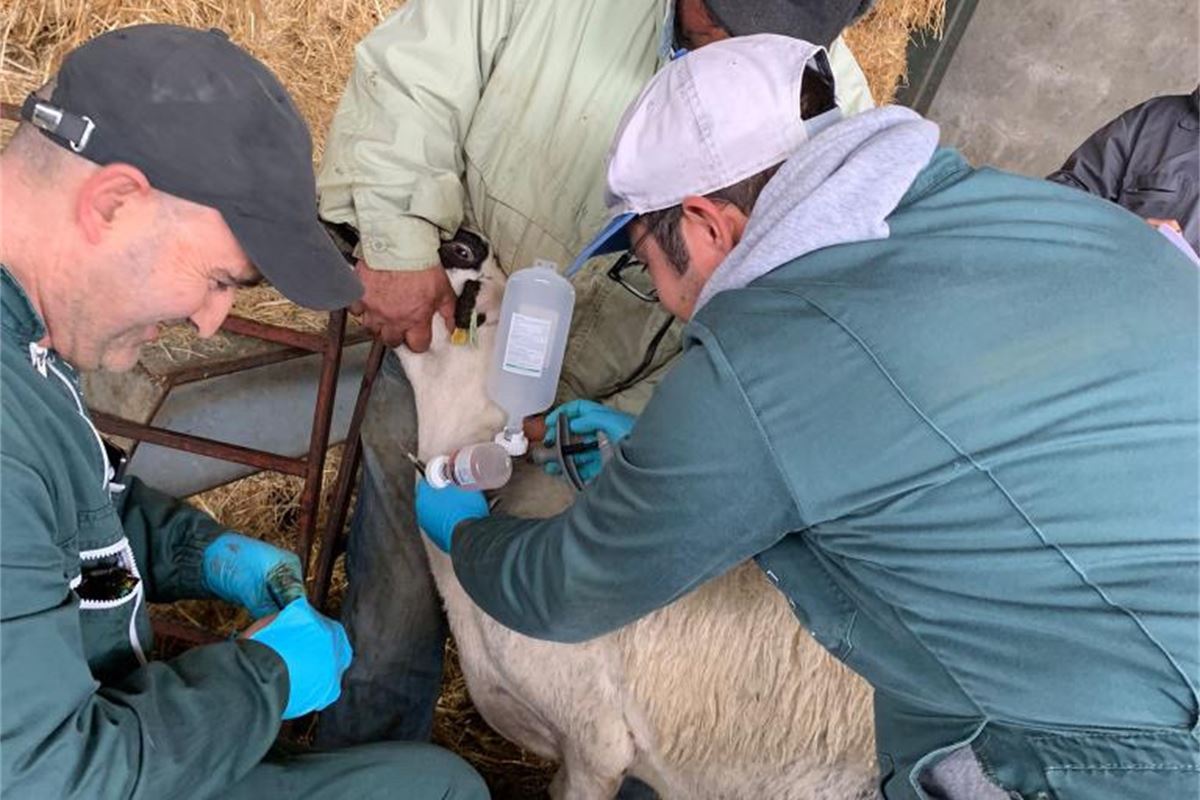
Animal Health Investments Key to Pandemic Prevention
Focus on animal ecosystems, farms, and veterinary clinics crucial for global health security.
Global health security relies heavily on proactive prevention and preparedness. Investing in animal health systems is a necessity, not a luxury, considering the next global health emergency may emerge from zoonotic diseases.
The Looming Threat of “Disease X”
The World Health Organization (WHO) coined the term “Disease X”
in 2018 to represent an unknown pathogen that could trigger a severe international epidemic or pandemic. Scientific evidence consistently shows that pandemics primarily originate in animals.
Zoonotic pathogens, capable of jumping from animals to humans, are the most likely cause of future pandemics. Examples include SARS, MERS, Ebola, avian influenza, and COVID-19, all linked to animal origins. Animal health systems are therefore at the forefront of prevention.
The WHO Pandemic Agreement marks a shift towards integrated approaches across sectors, addressing the need to reduce interspecies transmission risks, enhance surveillance, and promote the One Health approach, recognizing the interconnectedness of human, animal, and environmental health.
“Tackling disease outbreaks in livestock and wildlife at their source prevents them from spreading to other animals, and more importantly to people.”
Critical Data on Animal Health
Animal health professionals are engaged in surveillance, prevention, and management of animal disease outbreaks. A recent report from the World Organisation for Animal Health (WOAH) highlights key facts:
- Animal diseases are migrating into previously unaffected areas, with 47% having zoonotic potential.
- From 2005 to 2023, 68% of emerging disease notifications to WOAH were zoonotic.
- Outbreaks of bird flu in mammals more than doubled in 2024 compared to 2023, increasing transmission risk to people.
According to the CDC, since early 2022, HPAI A(H5N1) viruses have been detected in 96 mammal species, impacting both wild and domestic animals CDC, 2024.
Underfunded Animal Health Systems
Animal health systems often face chronic underfunding, creating gaps in pandemic preparedness, especially in developing countries. A key vulnerability is the inadequate number of trained veterinarians, impacting prevention, surveillance, and border control.
“The path to pandemic prevention runs not only through our hospitals and laboratories, but also through the world’s ecosystems, our farms, food markets, and veterinary clinics.”
Greater resources and political attention should be directed toward animal health, promoting joint training programs and integrated disease surveillance systems. This can close gaps and better protect against future disease emergencies, creating more resilient health systems.
The WHO Pandemic Agreement offers a framework for this shift through international cooperation, technology transfer, and capacity-building, fostering collaboration between human and animal health sectors. Ensuring veterinary services are embedded within pandemic preparedness plans and consulting animal vaccine producers is crucial.
Decision-makers must understand the value of One Health action, involving all health sectors, emphasizing preventive action over reactive measures, and fostering dialogue between public and private sectors.
Ultimately, the global health community must recognize that animal health is public health. By enhancing animal health systems today, we can reduce the risks and impacts of tomorrow’s pandemics.
