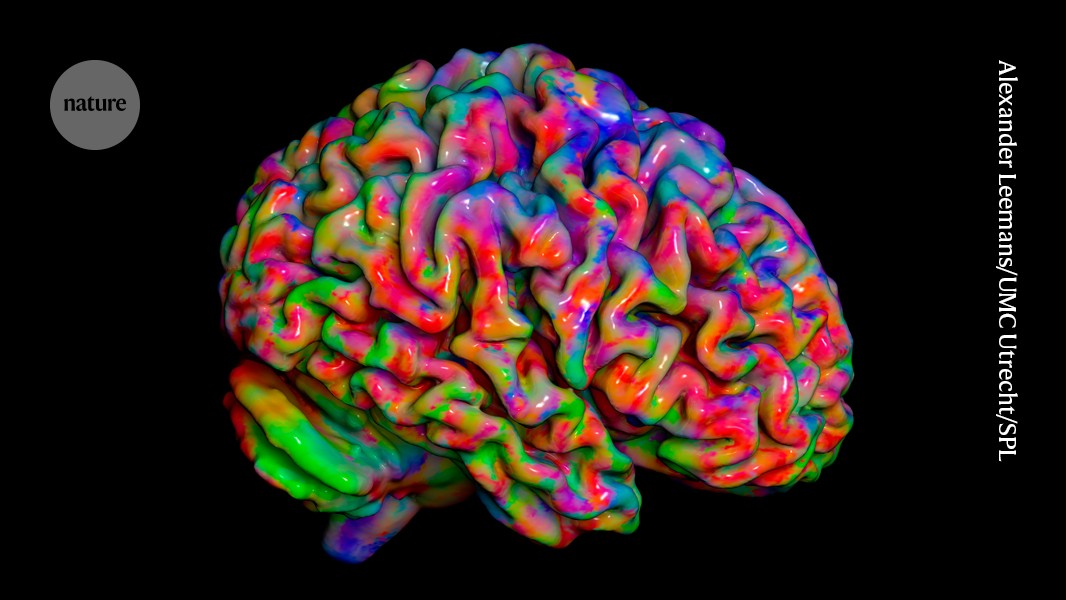
Insula Mapping Reveals How Brain Processes Bodily Sensations
“Not just reading the body. It is partly influencing the story about how the body should be felt,” says study co-author Josef Parvizi, a physician-scientist at Stanford University in California. Researchers published these findings in Nature, revealing how the human brain’s insular cortex maps and actively generates internal sensations.
-
Key Clinical Takeaways:
- Scientists mapped the human insula using data from 87 patients who had electrodes implanted for medical reasons over a decade.
- The study identified distinct regions in the insula: the rear processes pain and temperature, the middle generates visceral feelings like nausea, and the front connects with cognition and emotion.
- The research demonstrates that the insula does not merely receive bodily signals, but actively shapes how the brain interprets them.
Mapping the Insular Cortex Deep Within the Brain
The insula is located deep beneath the wrinkled surface of the human brain. Because of its buried location, studying the region in high detail has remained a major challenge for neuroscientists. Most previous research relied on functional brain-imaging techniques to observe activity when sensations occurred.
To move beyond passive observation, researchers needed a method to deliver controlled electrical signals directly to the human insula. Because placing electrodes into the brains of healthy individuals is unethical, the research team turned to 87 clinical patients who already had intracranial electrodes implanted for medical evaluations. Over a span of more than ten years, scientists sent low-level electrical currents into various sites within the participants’ insular cortices.

Insula Regions Trigger Distinct Physical and Visceral Sensations
The electrical stimulation experiments exposed a distinct spatial organization within the insula. Stimulating the rear portion of the structure triggered physical sensations such as pain, heat, tingling, and numbness in targeted areas of the body, including specific limbs. When researchers applied currents to the middle of the insula, participants reported visceral sensations, including nausea, internal pressure, and a feeling of fullness in the chest.
A third distinct region at the front of the insula interacts directly with other brain networks involved in cognition and emotion. This anterior zone suggests that the insula influences not only raw sensory input, but also the broader interpretation of those feelings by the cerebral cortex.
Expert Assessment of the Insular Mapping Data
The resulting map provides one of the most comprehensive views of the insula to date. Lucina Uddin, a cognitive neuroscientist at the University of California, Los Angeles, describes the research as “quite a feat.” The detailed pathway tracing how higher-order cortical areas work alongside the insula shifts current neuroscientific understanding of how bodily perceptions are generated and modulated.