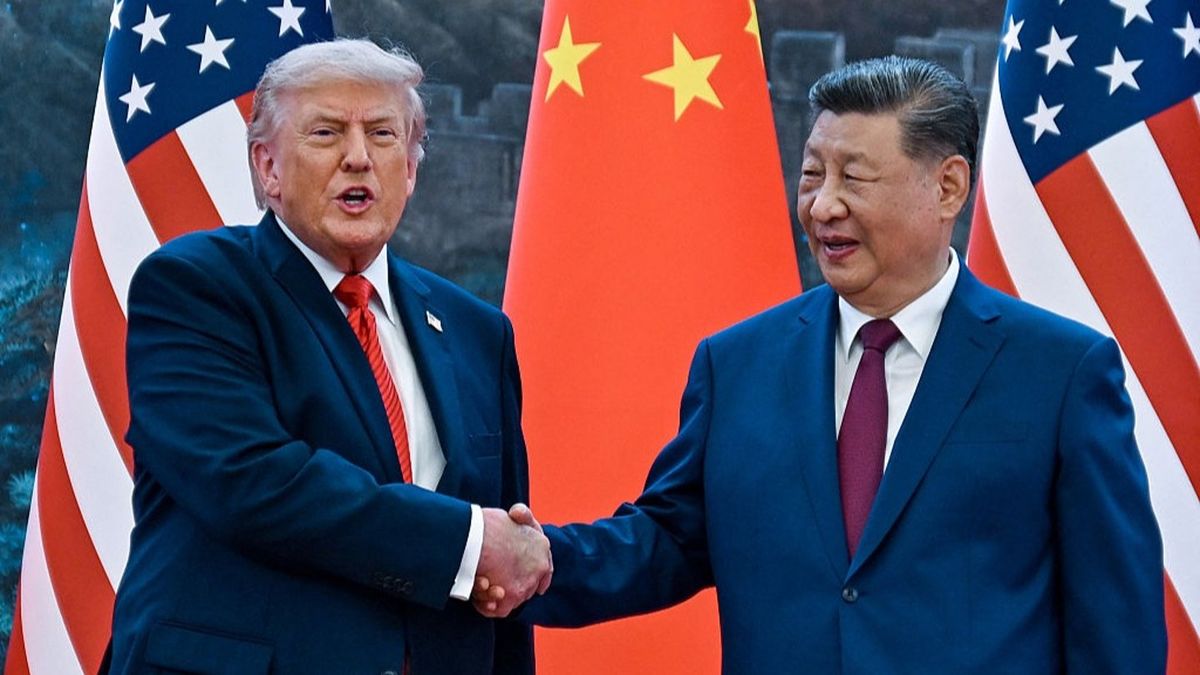
Inside Donald Trump’s China State Banquet: Menu, Music, and Diplomacy
Donald Trump attended an 11-course state banquet in China hosted by President Xi Jinping. While the menu featured items like beef ribs and roast duck—reportedly including foods the President dislikes—the dinner served as a high-stakes diplomatic stage for navigating critical tensions regarding Taiwan and global trade stability.
The event, characterized by a “delicate choreography” of superpower interaction, was far more than a mere culinary exchange. As the two leaders sat amidst the opulence of the state dinner, the atmosphere was thick with the weight of shifting global alliances and the looming shadow of regional security concerns. While the menu was meticulously planned, the subtext of the evening suggested a complex game of psychological and political signaling.
The Gastronomic Tension: Soft Power and Hard Realities
In the realm of high-level diplomacy, nothing is accidental. The selection of an 11-course menu, featuring beef ribs, roast duck, and tiramisu, serves as a classic example of “gastronomic diplomacy”—using food to create an environment of hospitality and warmth. However, reports indicating that the banquet included items the President reportedly dislikes suggest a potential misalignment between the host’s intentions and the guest’s preferences.

Whether this was a logistical oversight or a subtle test of diplomatic composure remains a subject of intense debate among observers. In the high-pressure environment of international relations, a leader’s reaction to such nuances can be as telling as their stance on trade tariffs.

To better understand the layers of this interaction, one must look past the plates and toward the structural tensions that define the current era of US-China relations:
| Diplomatic Element | The Surface Presentation | The Strategic Reality |
|---|---|---|
| The Menu | An 11-course display of culinary heritage. | A tool for testing temperament and hospitality. |
| The Music | Closing the evening with one of Trump’s favorite songs. | A calculated attempt at building personal rapport. |
| The Dialogue | Formal state hospitality and cordiality. | High-stakes negotiation regarding Taiwan and trade. |
| The Atmosphere | A “delicate choreography” of respect. | A strategic “wooing” by Xi Jinping to influence US policy. |
The Taiwan Variable and the Art of the “Woo”
While the dinner concluded on a seemingly harmonious note with a musical tribute, the underlying agenda was far more contentious. As noted by France 24, the banquet was widely viewed as an attempt by President Xi to “woo” the American administration. However, this hospitality exists alongside significant geopolitical friction, with the status of Taiwan remaining a central, unresolved issue on the table.
The tension between the “soft” approach of the banquet and the “hard” reality of territorial disputes creates a volatile environment for global markets. When superpower relations fluctuate between choreographed warmth and strategic confrontation, the ripples are felt far beyond the walls of the banquet hall.
“The use of culinary protocol in statecraft is rarely accidental. it is a subtle mechanism used to gauge a leader’s composure and patience under the pressure of high-stakes negotiation.”
— A senior analyst specializing in East Asian diplomatic relations.
This delicate balance is what makes these summits so critical for the global economy. A single misstep in protocol or a perceived slight can influence the trajectory of trade agreements and security pacts for years to come. For instance, shifts in diplomatic warmth can lead to immediate volatility in international trade indices and maritime security assessments.
Navigating the Fallout of Superpower Friction
For the global business community, the “choreography” of these dinners is a signal to watch closely. The unpredictability of US-China relations creates a landscape of significant risk for multinational corporations, particularly those with deep supply chain dependencies in the Pacific region. The “wooing” observed at the banquet may signal a temporary thaw, but the structural disagreements regarding Taiwan and economic hegemony remain unchanged.

As these high-level negotiations continue to shift the landscape of global commerce, many enterprises find themselves in a state of strategic uncertainty. To mitigate the potential fallout from sudden policy shifts or diplomatic freezes, organizations are increasingly prioritizing long-term resilience. Securing expert guidance from geopolitical risk management firms is now a critical component of modern corporate strategy.
the legal complexities inherent in navigating shifting trade barriers and international sanctions require specialized knowledge. Companies operating in these contested waters are increasingly relying on international trade law specialists to protect their interests and ensure compliance amidst evolving regulatory environments. Whether the result of a state dinner is a breakthrough or a stalemate, the legal and economic implications are profound.
The events in China demonstrate that even in an era of digital immediacy, the oldest forms of diplomacy—the shared meal, the shared song, the carefully managed atmosphere—still play a pivotal role in the grand theater of global power. As we watch the “delicate choreography” unfold, the world must look past the menu to see the true movement of history.
As the dust settles on this latest encounter, the question remains whether the hospitality offered was a genuine bridge to cooperation or merely a sophisticated mask for the deep-seated tensions that continue to define the 21st century. For those whose livelihoods depend on global stability, the ability to see through the “choreography” is not just an advantage—it is a necessity. To stay ahead of these developing shifts, the World Today News Directory remains your primary resource for connecting with the professional analysts and legal experts equipped to navigate an increasingly complex world.