
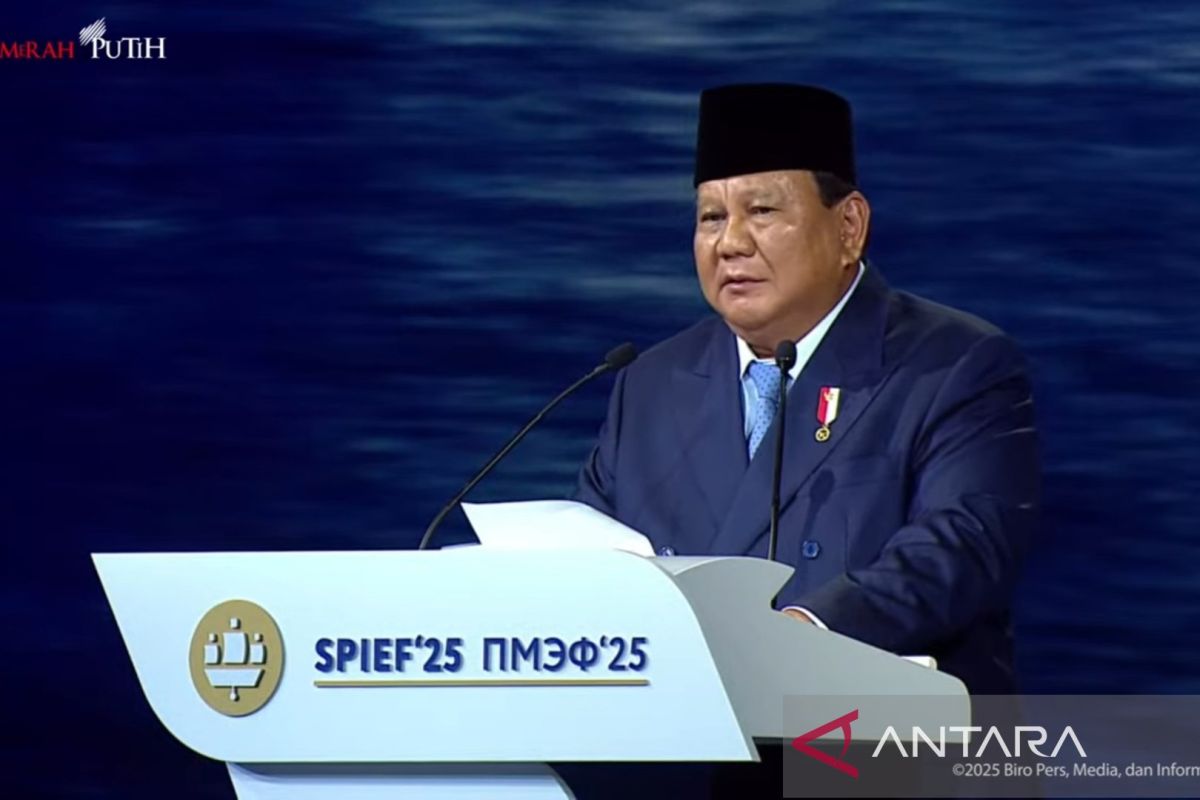
Indonesia Launches $6 Billion Integrated EV Battery Project with Chinese Investment
Table of Contents
- Indonesia Launches $6 Billion Integrated EV Battery Project with Chinese Investment
Indonesia, backed by CATL, aiming to cut production costs and boost the EV market.">
Jakarta – President Prabowo Subianto is set to inaugurate the groundbreaking of a extensive electric vehicle (EV) battery project in East Halmahera, North Maluku, on June 29. This initiative, fueled by a US$6 billion investment from China’s Contemporary Amperex Technology Co. Limited (CATL), aims to establish Indonesia as a key player in the global EV market and significantly reduce battery production costs.
Groundbreaking Ceremony Set for June 29
The inauguration ceremony, scheduled for June 29, marks a significant step in Indonesia’s strategy to become a major hub for EV battery production. Minister of Energy and Mineral Resources Bahlil Lahadalia emphasized the project’s importance, stating that it represents a fully integrated system encompassing various stages of production from mining to cathode production.
Did You Know? Global EV sales are projected to reach 17.5 million units in 2024, representing a 20% increase compared to 2023, according to the International Energy Agency (IEA).
A Fully Integrated System
The new facility will integrate multiple components, including mining operations, a smelter, high-pressure acid leach (HPAL) processing, and the production of precursors and cathodes. This end-to-end approach is designed to streamline production and minimize costs. Lahadalia asserted that this will be the first project of its kind and scale globally, positioning Indonesia at the forefront of EV battery technology.
Projected Impact on EV Battery Costs
With this fully integrated system, the Indonesian government anticipates a significant reduction in EV battery production costs. This cost efficiency is expected to make Indonesian-made EVs more competitive in the global market, attracting further investment and driving economic growth. The project aligns with Indonesia’s broader strategy to leverage its rich natural resources, especially nickel, to support the progress of downstream industries.
Pro Tip: Keep an eye on advancements in solid-state battery technology, which promises even higher energy density and improved safety compared to current lithium-ion batteries.
Part of a Larger Industrial initiative
The EV battery project is one of 18 downstream industrial projects, valued at nearly US$45 billion, slated for development across Indonesia. These projects span various sectors, including nickel, bauxite, oil refining, energy storage, coal gasification (DME), as well as fisheries, agriculture, and forestry. This comprehensive industrial strategy aims to diversify the Indonesian economy and create new opportunities for growth and employment.
| Project Type | Sector | Investment (USD) |
|---|---|---|
| EV Battery | Manufacturing | $6 Billion |
| nickel Processing | Mining & Metallurgy | Varies |
| Oil Refining | Energy | Varies |
| Coal Gasification (DME) | Energy | Varies |
Indonesia’s Nickel Reserves Fuel EV Ambitions
indonesia holds the world’s largest nickel reserves,a crucial component in EV batteries. The country is actively promoting the development of nickel processing facilities to add value to its raw materials and support the growth of its EV industry. This strategy aims to transform Indonesia from a raw material exporter to a manufacturer of high-value products, boosting its economic competitiveness and creating new jobs according to McKinsey.
Evergreen Insights: The rise of Electric Vehicles and Battery Technology
The global shift towards electric vehicles is driving unprecedented demand for battery technology. Lithium-ion batteries currently dominate the EV market, but ongoing research and development efforts are focused on improving battery performance, reducing costs, and enhancing safety. Alternative battery technologies, such as solid-state batteries and sodium-ion batteries, are also gaining traction and could play a significant role in the future of electric mobility.
Indonesia’s strategic focus on developing its EV battery industry aligns with global trends and positions the country to capitalize on the growing demand for electric vehicles. By leveraging its natural resources and investing in downstream industries, Indonesia aims to become a major player in the global EV supply chain.
Frequently Asked Questions About Indonesia’s EV Battery Project
- What is the integrated EV battery project in Indonesia?
- The integrated EV battery project in East Halmahera, North Maluku, Indonesia, is a large-scale facility that combines mining, smelting, HPAL processing, and the production of precursors and cathodes for electric vehicle batteries.
- Who is investing in the Indonesian EV battery project?
- China’s Contemporary Amperex Technology Co. Limited (CATL) is backing the integrated EV battery project with an estimated investment of around US$6 billion.
- Where is the EV battery project located?
- The integrated EV battery project is located in East Halmahera, North Maluku, Indonesia.
- When is the groundbreaking ceremony for the EV battery project?
- The groundbreaking ceremony for the integrated EV battery project is scheduled for June 29, 2025.
- why is Indonesia developing this EV battery project?
- Indonesia is developing the integrated EV battery project to reduce EV battery production costs and to become a major player in the global electric vehicle market. This project is part of a larger initiative to develop downstream industries in the country.
- How will the integrated EV battery project benefit Indonesia?
- The integrated EV battery project is expected to significantly reduce EV battery production costs in Indonesia. It is indeed also part of a larger initiative to develop 18 downstream industrial projects valued at nearly US$45 billion, boosting the Indonesian economy.
- What other downstream industrial projects are being developed in indonesia?
- Besides the EV battery project, Indonesia is developing other downstream industrial projects focused on nickel, bauxite, oil refining, energy storage, coal gasification (DME), as well as fisheries, agriculture, and forestry sectors.
What impact will this project have on the global EV market? How can other countries learn from Indonesia’s approach to developing its EV industry?
Share your thoughts and join the conversation below!
