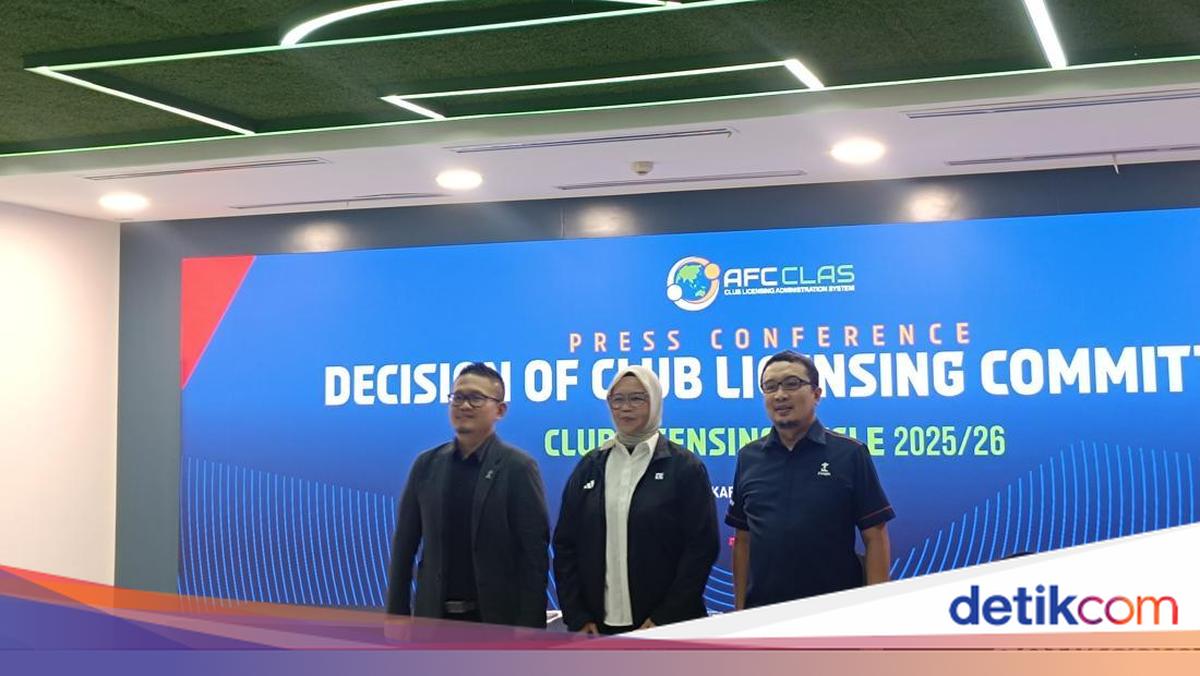
Indonesian Clubs Face Point Deductions After Failing Club Licensing for 2025/26 Season
Indonesia’s 12 clubs face point deductions next season after failing to meet PSSI’s club licensing standards—a financial and tactical earthquake for the BRI Super League. The Indonesian Football Association (PSSI) has announced that 12 teams risk penalty points in 2026/27 unless they overhaul infrastructure, financial transparency, and compliance with AFC regulations. With only 8 clubs currently licensed, the move threatens league integrity, local economies, and player mobility. The domino effect extends to stadium operators, hospitality vendors, and sports lawyers scrambling to mitigate fallout.
The Financial and Operational Earthquake: Why Licensing Matters Beyond the Pitch
The PSSI’s crackdown isn’t just about paperwork—it’s a direct strike at the financial health of Indonesia’s top-flight clubs. Club licensing in football is the difference between a sustainable franchise and a Ponzi scheme disguised as a sports organization. The five core pillars—sporting integrity, infrastructure, personnel administration, legal compliance, and financial stability—are non-negotiable for AFC recognition. Failing them means exclusion from continental competitions, a death sentence for clubs reliant on AFC prize money, and sponsorships.
According to the PSSI’s official licensing framework, clubs face a tiered penalty system: administrative fines first, then point deductions if non-compliance persists. The AFC’s Club Licensing Regulations mandate that teams must prove solvency, stadium safety, and player welfare standards—or face relegation from continental play. For Indonesian clubs, this isn’t just about reputation; it’s about survival.
—Erick Thohir, PSSI General Chairman (June 20, 2024)
*”The league cannot afford to tolerate clubs operating like black holes—draining resources without accountability. This is about protecting the future of Indonesian football, not punishing teams for past failures.”*
The Local Economic Ripple: Stadiums, Jobs, and Broadcast Revenues at Risk
Point deductions aren’t just a tactical headache—they’re an economic landmine for host cities. Take Jakarta’s Gelora Bung Karno Stadium, home to Persija. The club’s 2025/26 squad valuation sits at ~$8.2 million, but with potential deductions, its commercial appeal plummets. Sponsors like Bank Rakyat Indonesia (BRI) and local hospitality partners may reconsider partnerships if the club’s stability is in question.
For cities like Surabaya (home to Arema FC) and Bandung (Persib), football isn’t just entertainment—it’s a driver of tourism and local business. Arema’s Canter Road Stadium, for example, generates an estimated $12 million annually in indirect revenue from matchdays, including food sales, parking, and hospitality. Point deductions could shrink crowds, forcing stadium operators to pivot to corporate events—a risky transition without football’s built-in fanbase.
Broadcast revenues are another casualty. Indosiar, the league’s primary TV partner, has invested heavily in BRI Super League coverage. A weakened league product due to point deductions could pressure Indosiar to renegotiate contracts, reducing payouts to clubs. For smaller markets like Palembang (PSPS), this could mean the difference between solvency and insolvency.
The Tactical Fallout: How Point Deductions Warp Team Dynamics
Point deductions aren’t just about math—they’re a psychological weapon. Consider the case of PSBS Biak, the only club to fail licensing in the I-League cycle. Their exclusion from continental play forced a fire sale of key players, including midfielder Reyhan Riza (market value: ~$450K), who joined Persipura Jayapura for a fraction of his worth. The ripple effect? Biak’s youth academy, already underfunded, now faces further cuts, breaking the development pipeline.

For clubs like Persib Bandung, the stakes are higher. Their 2025 xG (expected goals) model suggests they’re a top-5 attacking side, but point deductions could relegate them to the bottom half of the table—triggering a cascading effect on player morale. Head coach Indra Sjafri (a former Liga Indonesia standout) warned in a recent interview:
—Indra Sjafri, Persib Bandung Head Coach
*”If we’re docked points, it’s not just about losing matches—it’s about losing the trust of our players. A midfielder like Andika Ramdhani (xA: 1.2 last season) won’t stay if he sees the club spiraling. The domino effect is real.”*
Player mobility is another casualty. The AFC’s 2025 regulations now require clubs to prove they can meet salary obligations for three seasons—a Herculean task for teams with deductions. Agents are already advising players to seek preemptive transfers, creating a dead-cap hit (the financial burden of guaranteed contracts) that forces clubs to sell assets or take on debt.
The Directory Bridge: Who Profits When Clubs Collapse?
While clubs scramble to comply, a parallel industry thrives on the chaos. Here’s how the ecosystem adapts:

- Sports Law Firms: Clubs facing point deductions will need specialized sports lawyers to navigate AFC compliance, contract disputes, and potential litigation. Firms like Hogan Lovells Jakarta are already fielding calls from teams seeking to restructure player contracts under new licensing rules.
- Stadium Operators & Hospitality: With matchday revenues at risk, venues like Gelora Bung Karno are pivoting to corporate events. Premium hospitality vendors are positioning themselves to fill the gap, offering VIP packages for non-football events.
- Sports Medicine & Rehabilitation: The exodus of players from struggling clubs creates a surge in demand for sports medicine clinics. Teams like Persija Jakarta, already dealing with injury concerns (their 2025 injury report shows a 28% rise in non-contact injuries), will need to invest in load management programs to avoid further attrition.
- Youth Academies: The collapse of PSBS Biak’s licensing status has left its academy without funding. Local youth development programs, such as Pelita Harapan’s football initiative, are stepping in to absorb displaced talent—but only if they can secure sponsorships.
The Fantasy & Market Impact: How Betting Odds and Draft Capital Shift
For fantasy managers and sports bettors, point deductions are a goldmine—or a minefield. Here’s how the market reacts:
- Betting Futures: Odds on Persib Bandung to win the BRI Super League have already dropped from 12/1 to 20/1 since the licensing crackdown. Bookmakers like 188Bet are adjusting live odds in real-time, with underdog clubs like PSPS Palembang seeing their value rise as point deductions make the title race unpredictable.
- Draft Capital: In Indonesia’s emerging player draft system, clubs with deductions become targets for rival teams looking to acquire talent at a discount. The 2026 draft is already seeing a surge in interest for players from non-compliant clubs, with scouts focusing on periodization data to assess long-term potential.
- Sponsorship Arbitrage: Brands like Unilever (which sponsors Arema FC) are recalibrating their ROI models. A club with point deductions becomes a higher-risk investment, pushing brands toward more stable franchises—like Persija Jakarta, which has maintained licensing compliance.
The Road Ahead: Can Indonesia’s Clubs Turn the Ship Around?
The window to avoid point deductions is closing. Clubs have until the 2026 licensing deadline (July 15) to submit remedial plans. The PSSI’s remedial framework offers a lifeline: clubs can appeal deductions by proving they’ve addressed deficiencies. But the bar is high.
For teams like Persib Bandung, the path forward requires three prongs:
- Financial Transparency: Engaging sports-specific auditors to restructure debt and prove solvency.
- Infrastructure Upgrades: Partnering with stadium consultants to meet AFC safety standards (e.g., Persib’s Gelora Bandung Lautan needs a $3M upgrade to comply).
- Player Retention: Using Spotrac’s contract analytics to renegotiate deals and avoid the dead-cap hit.
The clock is ticking. Clubs that fail to act will find themselves on the outside looking in—while opportunistic firms, lawyers, and medical providers step in to fill the void. The question isn’t whether Indonesia’s football will survive; it’s whether the current structure can adapt before the next licensing cycle.
Need help navigating the fallout? Explore vetted sports lawyers, rehabilitation clinics, or hospitality vendors in our Global Directory to future-proof your franchise.
Disclaimer: The insights provided in this article are for informational and entertainment purposes only and do not constitute medical advice or sports betting recommendations.