
India’s Shrinking Global Standing Amid Gaza, Trump adn China‘s Rise
Recent geopolitical shifts – the conflict in gaza, the potential return of Donald Trump to the US presidency, and China’s assertive rise – are collectively challenging India’s position on the world stage, demanding a recalibration of its foreign policy. While India has traditionally navigated a non-aligned path, maintaining strategic autonomy, the current landscape necessitates a more proactive and nuanced approach.
Former External Affairs Minister Yashwant Sinha, in a recent interview with Frontline, highlighted a critical internal constraint impacting India’s foreign policy: its relationship with Pakistan.While the discussion centered on India-China relations, Sinha underscored how a frozen dialog with pakistan hinders broader regional stability and, by extension, India’s ability to focus on larger global challenges.He pointed to two distinct approaches India has taken towards Pakistan.
The first, exemplified by the Vajpayee and Manmohan Singh administrations, prioritized engagement despite historical tensions. “As Vajpayee said, you can change your friends, you can’t change your neighbor. So you have to have amiable relations with Pakistan,” Sinha stated.He emphasized the economic benefits of a stable relationship, arguing that progress and improved living standards for both nations are contingent on peaceful coexistence. Vajpayee, as the first BJP Prime Minister, demonstrated this willingness to engage.
Though, the current Modi government has adopted a markedly different strategy – one of distance and non-engagement. Sinha argues this approach is failing as it hasn’t addressed the core issue of cross-border terrorism. “This model will succeed or will have any relevance if we were able to stop cross-border terrorism… But we have not achieved that. We are vulnerable. Maybe we are even careless,” he observed. He directly linked the need for peace with Pakistan to effectively combating terrorism, stating, “If we wont, therefore, to stop terrorism, we have to make peace with Pakistan. That’s as clear as daylight.”
sinha acknowledged his views are currently isolated within India’s political discourse. He noted the complete cessation of “track two” diplomacy and other informal channels of interaction with Pakistan, attributing this to a government policy of discouraging engagement. He emphasized the increased obligation of the Indian government to prevent Pakistan-sponsored terrorism.
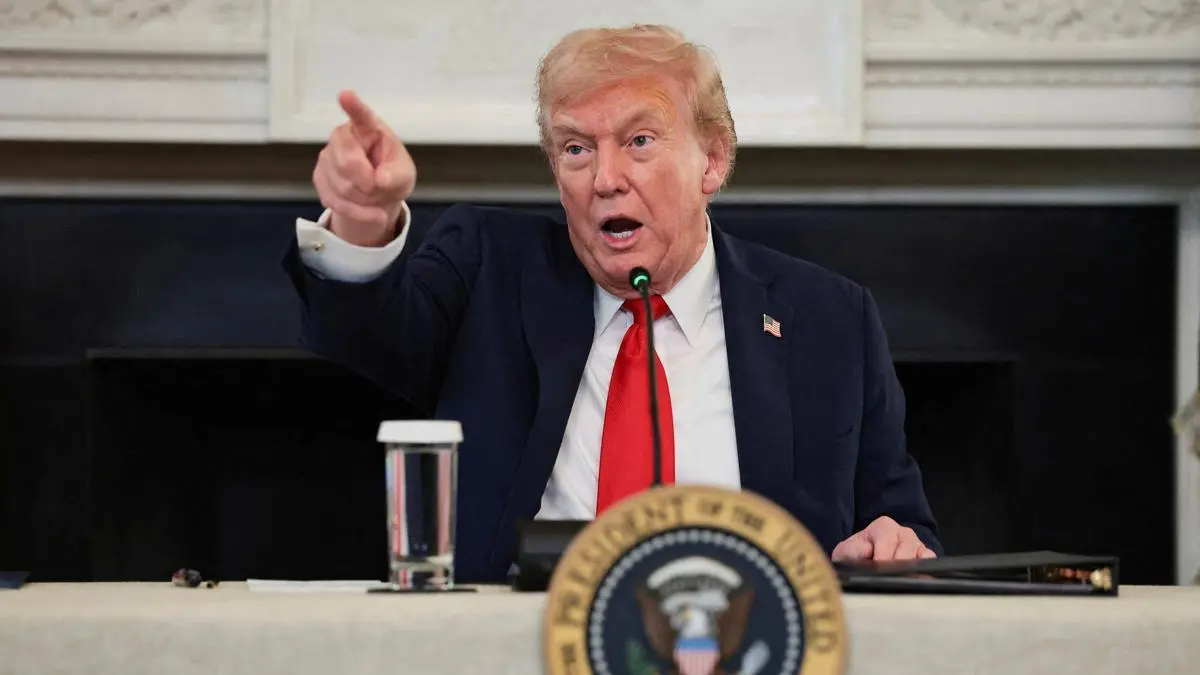
This internal challenge – the inability to forge a constructive relationship with a key neighbor – is occurring at a time when india’s broader global influence is being tested. The ongoing conflict in Gaza presents a complex dilemma for india, requiring it to balance its historical support for the Palestinian cause with its growing strategic partnership with Israel. The potential return of Donald Trump to the US presidency introduces further uncertainty, given his transactional foreign policy approach and potential for disruptive actions.
Perhaps most significantly, China’s continued economic and military rise is reshaping the global order. As Sinha’s initial comments in the Frontline interview suggest, navigating this complex relationship with China is paramount. However, a distracted India, burdened by unresolved regional conflicts and internal policy constraints, is less equipped to effectively manage these challenges and assert its interests on the world stage.
The interview concluded with journalist Amit Baruah noting the “topsy-turvy” nature of current global affairs,citing examples like the Taliban’s engagement with Delhi and the exiled Bangladeshi Prime Minister’s situation,underscoring the volatile and unpredictable international environment India must navigate.
