
India Navigates Complex alliances as Foreign Policy Focus Shifts
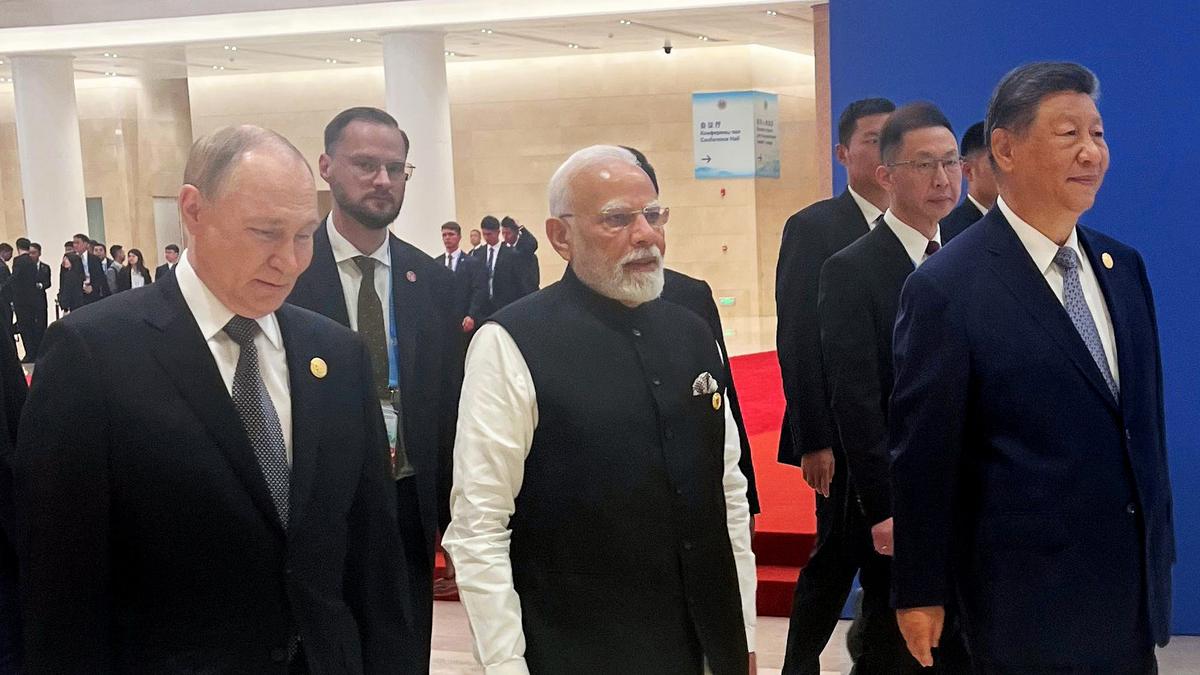
Beijing, September 7, 2025 – Recent diplomatic engagements suggest a recalibration in India’s foreign policy approach, prompting scrutiny of its relationships with key global powers. Following Prime Minister Narendra Modi’s participation in the Shanghai Cooperation Organisation (SCO) summit in China, and a meeting with both Chinese President Xi Jinping and Russian President Vladimir Putin, questions have arisen regarding India’s alignment amidst growing geopolitical tensions.
The SCO summit sparked commentary from the U.S., with former President Donald trump posting on social media that the event signaled a loss of India and Russia to China. White House Trade Adviser Peter Navarro, a proponent of tariffs against India, described India’s growing ties with Russia and China as a “shame,” given its democratic status. These criticisms extended to labeling the Ukraine conflict “Modi’s war,” a characterization swiftly rejected by India’s Ministry of External Affairs as “inaccurate and misleading.” India is also slated to participate in a BRICS online summit on September 8, chaired by Brazil, to discuss a unified response to U.S.tariffs.
Delhi-Washington relations have faced strain over issues including visa, immigration, and trade policies, as well as Trump’s past offers to mediate in Operation Sindoor. However,Trump later affirmed a “special relationship” with India and his continued friendship with Prime Minister modi,sentiments echoed by Modi himself.
Despite perceptions of a shift from “west to the east,” many foreign policy analysts believe India’s actions are consistent with its long-standing policy of strategic autonomy and balance. The recent visit to China for the SCO summit followed a Xi-modi meeting in Kazan in October 2024, which signaled a restart of ties after a period of tension. While India had previously scaled back its involvement in the SCO, the visit was deemed notable for normalizing relations. The meeting between Modi, Xi, and Putin, while notable, would have carried greater weight if it had led to a resumption of formal Russia-India-China talks.
India-U.S. relations have experienced recent tensions,but official exchanges and military exercises have continued. Future developments will likely hinge on resolving disputes regarding India’s Russian oil imports and potential opening of its agricultural and dairy sectors, as well as a possible reconsideration of the 50% U.S. tariff on Indian goods. External Affairs Minister S.Jaishankar’s upcoming visit to the U.S. for the UN General Assembly will include discussions about scheduling a Quad summit, with Trump expected to visit India later this year.
