India orders evacuation of 30,000 ahead of Cyclone Mursu
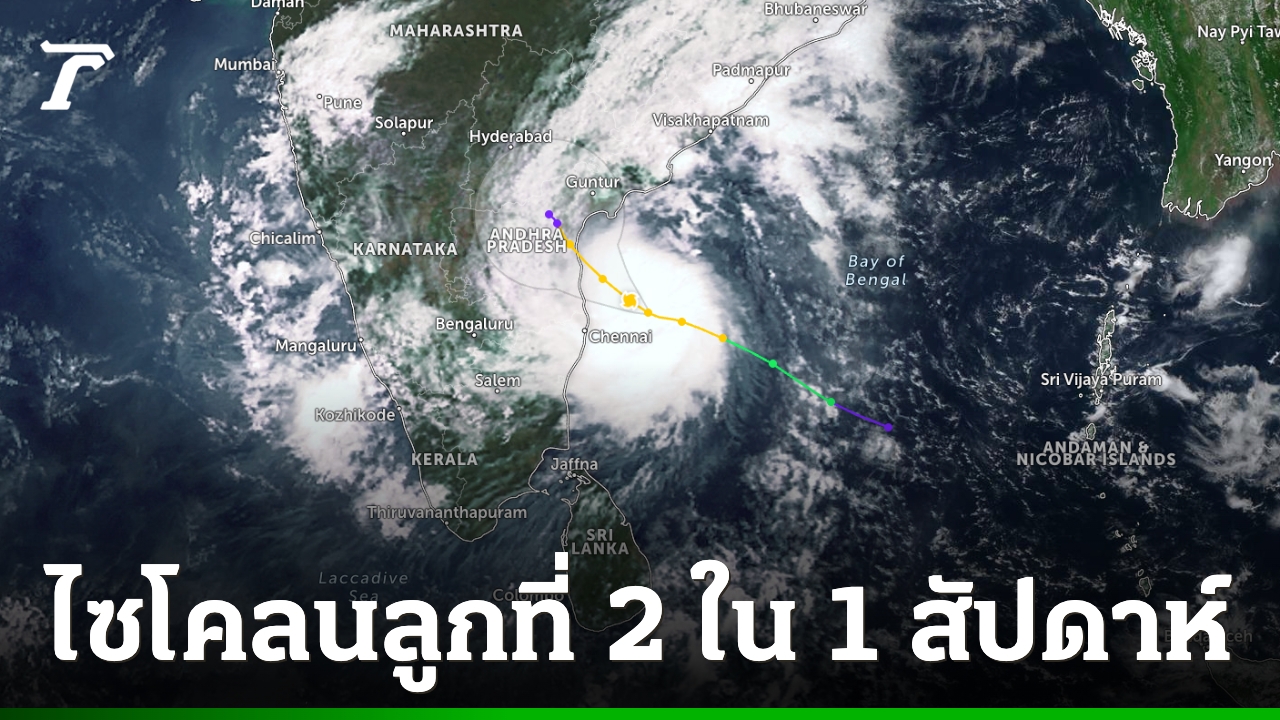
India’s eastern coastline faces a compounding humanitarian crisis as authorities order the immediate evacuation of approximately 30,000 residents ahead of Cyclone Mursu, which is projected to strike Andhra Pradesh on the morning of November 3, packing sustained winds of 100 to 110 kilometers per hour with gusts reaching 120 kilometers per hour.
Evacuations in Andhra Pradesh and the Bay of Bengal Formation
The India Meteorological Department (IMD) tracked Mursu forming from a deep depression over the south-central and west-central Bay of Bengal before strengthening into a cyclone. Prakhar Jain, managing director of the Andhra Pradesh State Disaster Management Authority, told Reuters that authorities have already moved about 2,000 people to safety while scaling up operations to reach the 30,000 target. The storm is expected to make landfall near Ongole.
State and national authorities have deployed 13 disaster response teams to high-risk zones across Krishna, Bapatla, Guntur, Nellore, Prakasham, Markapuram, Palnadu, and Tirupati. These units comprise six teams from the National Disaster Response Force (NDRF) and seven teams from the State Disaster Relief Force (SDRF). Meanwhile, neighboring Odisha is still grappling with the aftermath of Cyclone Arnab, which struck late last month.
Infrastructure Disruption and Relief Measures in Odisha
Chief Minister Mohan Charan Majhi announced that families in flood-hit southern districts will each receive 50 kilograms of rice, a cash grant of 2,500 Indian rupees (approximately 900 Thai baht), and compensation for damaged crops and housing. Schools and colleges across the southern districts remain closed through November 3 as the region prepares for fresh downpours from Mursu.
Heavy Rainfall Expected as Mursu Completes Landfall
Meteorologists expect heavy rainfall across Odisha to intensify through November 4 as Mursu—whose name translates to “war drum” in Tamil—completes its landfall trajectory. While disaster response teams remain prepositioned along the coast and fishermen are barred from putting out to sea, authorities have yet to confirm the full extent of potential storm surge inundation in low-lying agricultural belts or whether regional supply chains can resume operations before mid-November.