Latino Voters a Decisive Force in Midterms, EL PAÍS Reports
Latino voters in the United States are emerging as a decisive force in the midterm elections, utilizing early voting in record numbers to counter economic pressures and the immigration policies of the Trump administration, EL PAÍS reported.
Record Early Voting Among Hispanic Communities
With congressional control hanging in the balance for the final two years of Donald Trump’s term, early turnout data indicates a massive shift in participation. Four days before the November 3 election, more than 41 million Americans had cast early ballots, nine million more than the 32 million who voted early in the 2022 midterms. Hispanic voters accounted for 5.2 million of those ballots, or 12.75% of the total vote, according to figures released by Voto Latino.
By comparison, at the same point ahead of the 2018 midterm elections, Latino ballots made up only 8% of the total. Meanwhile, the proportion of white voters has dropped from 77% in 2018 to 69% of the total early vote. María Teresa Kumar, described the surge during a data presentation as the tsunami the organization had long predicted. Hispanic voters make up at least 20% of the registered electorate in roughly two dozen competitive House races across Arizona, California, Colorado, Florida, Pennsylvania, and Texas.
Texas as the Central Battleground for the Electorate
Texas serves as a primary barometer for whether Hispanic voters who backed Donald Trump in 2024 are reversing their support. Latinos in the state have doubled their participation since 2018, when 847,000 early votes had been cast at this point in the calendar. Ahead of the November 3 contest, officials have counted 1.75 million ballots from Hispanic voters, representing 28% of the total, up from 20% in 2022 and 17% in 2018.
Forty percent of the Texas population is Hispanic. The state features a competitive Senate race between Democrat James Talarico and Republican Ken Paxton, alongside a gubernatorial contest where Democrat Gina Hinojosa challenges Greg Abbott. Donald Trump visited Texas three times in the month leading up to the election to campaign for Republican candidates, while the Democratic Congressional Campaign Committee invested more than one million dollars in southern Texas alone to reach Hispanic voters through targeted advertisements.
Economic Strains and Immigration Enforcement Drive the Shift
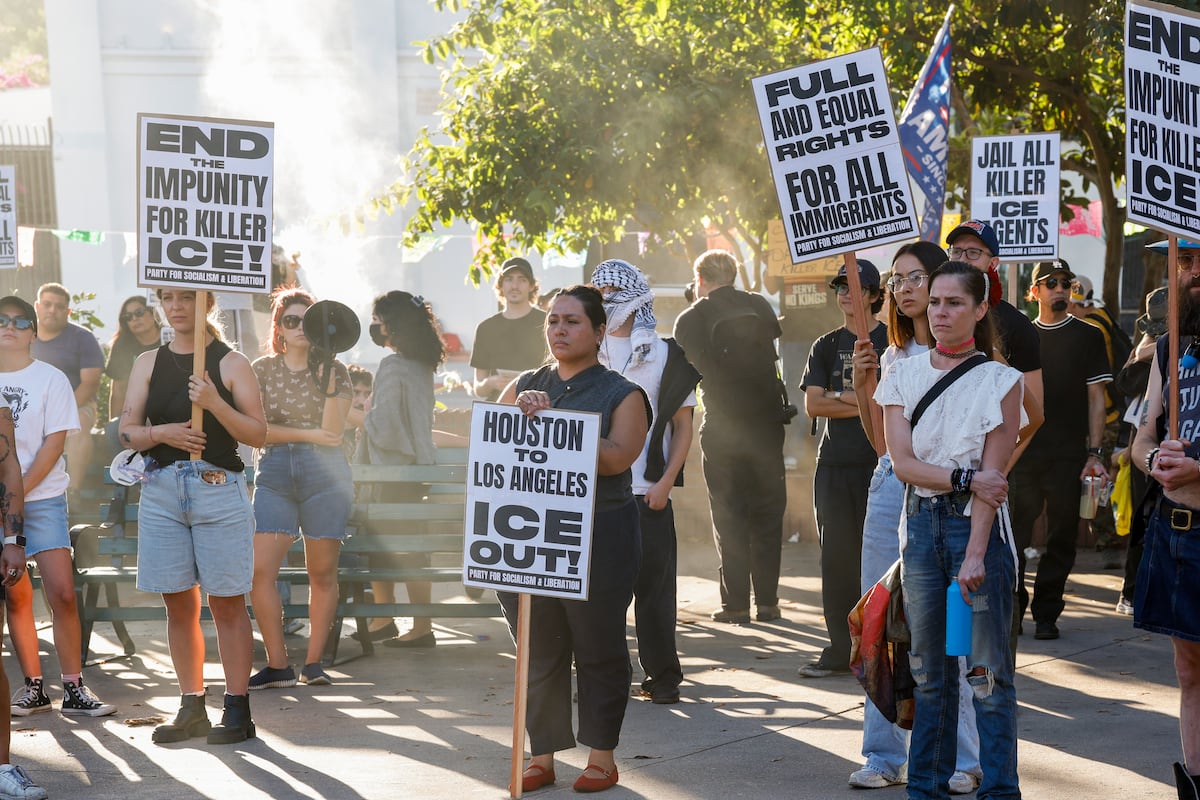
Two primary factors drove many Latino voters to support Donald Trump in 2024: the expectation that he would improve the economy and the belief that he would expel criminal migrants from the country. Two years later, those same factors are mobilizing the community in the opposite direction. Kumar noted that the high cost of living weighs heavily on Hispanic workers, while aggressive detentions by Immigration and Customs Enforcement have made immigration policy personal for many families.
Héctor Barba, reported that enthusiasm among Hispanic voters has reached its highest point in 30 years. Organizations including Mi Familia Vota, LULAC, UnidosUS, and Latino Victory formed a coalition named Vamos a Votar, investing 22.1 million dollars to register, inform, and mobilize voters. According to data, Trump secured 44% of the Hispanic vote in 2024, up from 28% in 2016, but recent polling shows that support dropping to 31%.

Individual Stories Reflect Broader Discontent
Individual accounts illustrate the personal stakes driving voters to the polls. Janet Soto, a 32-year-old Cuban tattoo artist in Florida who immigrated in 2012, spent months advocating for the release of Denis Cabrera Rodríguez, a Cuban political activist and artist detained in a Krome detention facility despite severe diabetes. Soto plans to vote for David Jolly, a Democrat running for governor in Florida.
Pew Research center data from October 16 indicates that 53% of Latinos report being extremely motivated to vote, compared to 41% four years ago. Additionally, 45% stated they have given deep thought to the upcoming election, rising from 24% in the 2022 midterms. More than four million young Hispanics have turned 18 since the last election cycle, with young Latino voters in Texas surpassing their 2024 presidential election turnout by roughly 65,000 votes.