
“`html
India Aims to Eradicate Naxalite Insurgency by 2026 Amid Rights Concerns
Table of Contents
- India Aims to Eradicate Naxalite Insurgency by 2026 Amid Rights Concerns
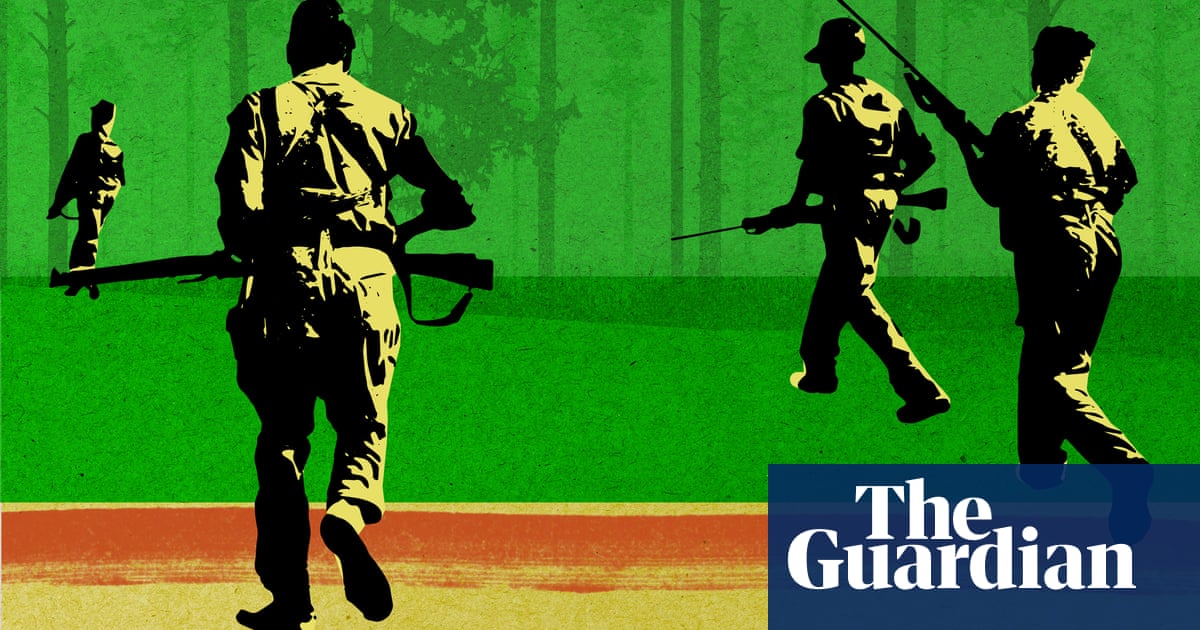
For decades, a Maoist insurgency, known as the Naxalite movement, has challenged the Indian state, fueled by inequality and the grievances of marginalized communities. India’s Home Minister, Amit Shah, has set a deadline of March 2026 to “fully eradicate” this insurgency. However, this intensified crackdown, dubbed “Operation kagar,” faces serious allegations of human rights violations and raises questions about the long-term viability of eliminating an ideologically driven movement. The conflict has already claimed nearly 12,000 lives, including civilians, militants, and security personnel.
The Naxalite Movement: A History of Rebellion
The Naxalites, drawing their name from Naxalbari, West bengal, where the initial peasant uprising occurred, adhere to Marxist-Leninist ideology, advocating for class struggle and agrarian revolution.Inspired by Mao Zedong’s guerrilla warfare tactics, the movement gained traction among India’s most marginalized populations: the Adivasis (Indigenous tribal people) and Dalits (formerly known as “untouchables”).These groups have long faced systemic discrimination and economic hardship, making them susceptible to the Naxalite cause.
At its peak in the early 2000s, the Naxalites controlled a vast “red corridor” stretching across multiple states, commanding an estimated 30,000 fighters. Today, their numbers have dwindled to approximately 500 active fighters, operating in isolated pockets, framing their struggle as one against overwhelming odds.
Operation Kagar: Endgame or Escalation?
Launched in early 2024, Operation Kagar represents the government’s attempt to deliver a final blow to the Naxalite movement. The operation focuses on chhattisgarh, the remaining Maoist stronghold, deploying over 60,000 security personnel and advanced surveillance technology. According to the South Asia Terrorism Portal, 2024 witnessed the highest number of Maoist casualties in over a decade, with 344 deaths reported during security operations.
In May 2024, security forces killed Nambala Keshava Rao, a top Maoist leader, along with 26 alleged militants. Home Minister Amit Shah hailed this as a “landmark blow” to the Naxalite movement.
Did You Know? The term “Naxalite” originates from the village of Naxalbari in West Bengal, where a peasant revolt in 1967 marked the beginning of the movement.
allegations of Human Rights Abuses
Critics, including activists, lawyers, and former officials, allege that Operation Kagar has resulted in widespread human rights abuses, including extrajudicial killings of civilians. N Venugopal, a journalist who has extensively covered the Naxalite movement, claims that roughly half of the 500 individuals killed since the start of 2024 were non-combatant Adivasis, including children.
“This is not an anti-Maoist operation, it is indeed a killing spree,” Venugopal stated. “Security forces have become like bounty hunters, killing for rewards.”
Organizations like Amnesty International and Human Rights Watch have documented allegations of “encounter killings” (staged deaths of civilians to appear as maoist fighters), arbitrary detentions, forced displacement, and sexual violence perpetrated by security forces over the years. Human Rights Watch has reported extensively on the human rights situation in India, including abuses related to counter-terrorism operations.
Bela Bhatia, a human rights lawyer in Chhattisgarh, asserts that security forces have long enjoyed impunity for abuses, and Operation Kagar has only intensified this trend. She and other activists claim that the operation prioritizes “neutralizing” alleged Naxalites, with police and paramilitary officers receiving financial incentives for killings.
Pro Tip: Stay informed about human rights issues by consulting reports from reputable organizations like amnesty International and Human Rights Watch.
Malini Subramaniam, a human rights defender and journalist based in Bastar, alleges that entire Adivasi villages are being coerced into surrendering, regardless of their involvement in the Naxalite uprising. “The government has offered only two choices: either surrender or be killed,” she claims.
Sundarraj Pattilingam, Inspector General of Police Bastar Range, denies these allegations, stating that operations are conducted “as per the law” and that there is no intention to harm civilians. He attributes the allegations to Maoist propaganda aimed at undermining the security forces.
Economic Interests and the Insurgency
Leaders of the Naxalite movement have repeatedly called for a ceasefire and peace negotiations, but the government has so far ignored these appeals. This has fueled suspicions that the crackdown is driven by corporate interests in the mineral-rich forests of Chhattisgarh and Jharkhand. Major Indian industrialists have established mining operations in these areas, with plans for further expansion.
Soni Sori,a political leader fighting for Adivasi rights in Chhattisgarh,argues that the targeting of Adivasis is intentional,as these communities have resisted mining projects that displace them and destroy their forests. Global Witness reports on the links between resource extraction and human rights abuses worldwide.
“this is a one-sided war- a war waged by the government against the people of this region, all to clear the way for industrialists desperate to seize the area’s mineral wealth,” Sori contends.
In april, the Home ministry stated that the government focuses on “security, advancement, and rights-based empowerment” in Naxal-affected areas, expressing optimism that a “left wing extremism-free India is closer than ever.”
A path Forward?
Prakash Singh, former commander of India’s Border Security Force, believes that the Naxalites will ultimately be defeated organizationally, but advocates for a more “humane” approach, offering rehabilitation to those who lay down their arms.
“Give them the opportunity to come out from the underground, lay down their arms and be given steps for rehabilitation,” he said. “This way the government would achieve the same objective, without all this bloodshed.”
However, Singh acknowledges that eradicating the underlying ideology driving the insurgency is a far greater challenge. “You can kill the cadre, you can liquidate the party,” he said. “But as long as there is injustice, as long as there is exploitation or the displacement of the poor in any part of the country, the naxal ideology is going to survive.”
| Metric | value |
|---|---|
| Estimated Active Naxalite Fighters | 500 |
| Total Deaths (Civilians, Militants, Security Personnel) | ~12,000 |
| Year Operation Kagar Launched | 2024 |
| Deadline for Eradication | March 2026 |
Key figures in the Naxalite Conflict
- Amit Shah: India’s Home Minister, setting the 2026 eradication deadline.
- Nambala Keshava rao: Top Maoist leader killed in May 2024.
- Soni Sori: Adivasi rights activist alleging corporate influence in the crackdown.
- Sundarraj Pattilingam: Inspector General of Police Bastar Range, leading anti-Maoist operations.
What are the ethical considerations of using advanced surveillance technology in counter-insurgency operations? How can the Indian government address the root causes of the Naxalite movement, such as poverty and inequality?
Evergreen insights: Understanding the Naxalite Insurgency
the Naxalite insurgency in India is a complex and long-standing conflict rooted in socio-economic inequalities and historical injustices. Understanding the movement requires examining its origins, ideology, and the grievances of the marginalized communities that it represents. The government’s response, balancing security concerns with human rights considerations, is crucial for achieving a lasting resolution.
The conflict’s impact extends beyond the immediate areas of operation, affecting India’s overall development and stability. Addressing the underlying issues of poverty,discrimination,and lack of access to resources is essential for preventing future unrest and promoting inclusive growth.
Frequently Asked Questions About the Naxalite movement
- What is the Naxalite movement in India?
- The Naxalite movement is a Maoist insurgency in India, driven by Marxist-Leninist ideology and aiming to address socio-economic inequalities through armed struggle.
- What are the root causes of the Naxalite insurgency?
- The root causes include poverty, discrimination against Adivasis and Dalits, lack of access to resources, and historical injustices.
- What is Operation Kagar, and what are its objectives?
- Operation Kagar is the Indian government’s intensified crackdown on the Naxalite movement, aiming to eradicate the insurgency by March 2026.
- what are the main criticisms of Operation Kagar?
- Critics allege that Operation Kagar has resulted in human rights abuses, including extrajudicial killings of civilians and forced displacement.
- What role do economic interests play in the Naxalite conflict?
- Some allege that corporate interests in mining and resource extraction are driving the government’s crackdown on the Naxalites,who resist these activities.
- What is the indian government’s official stance on the Naxalite movement?
- The government states that it focuses on security, development, and rights-based empowerment in Naxal-affected areas, aiming for a “left wing extremism-free India.”
- What are the potential long-term solutions to the Naxalite problem?
- Potential solutions include addressing the root causes of the insurgency, promoting inclusive development, and offering rehabilitation to naxalite fighters who lay down their arms.
Disclaimer: This article provides information about the Naxalite insurgency in India and related issues. It does not offer legal, financial, or medical advice. Consult with qualified professionals for specific guidance.
Stay informed about global events! Share this article and join the discussion in the comments below. Subscribe to our newsletter for breaking news updates.