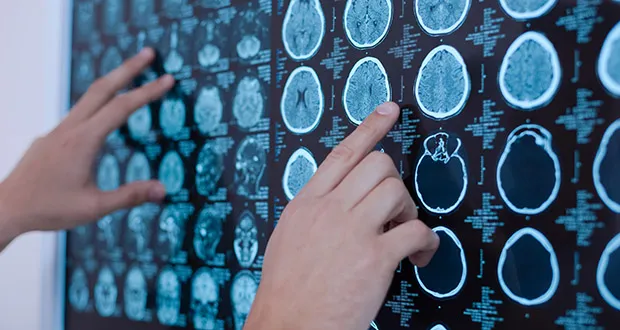
INA Meeting to Discuss Burden of Neurological Disorders
The intersection of chronic neurological dysfunction and systemic brain health represents one of the most complex frontiers in modern medicine. As the medical community prepares for the 62nd annual Irish Neurological Association (INA) Meeting, the focus shifts toward the profound socio-clinical burden of neurological disorders, specifically the intricate relationship between epilepsy and overall cognitive longevity.
Key Clinical Takeaways:
- The 62nd annual INA Meeting will prioritize the systemic burden of neurological disorders and the critical role of brain health in epilepsy management.
- Neuromodulation and neurostimulation are emerging as pivotal interventions for refractory epilepsy and associated comorbidities such as depression and cognitive decline.
- Translational research, bridging the gap between experimental laboratory findings and clinical application, is essential for evolving the current standard of care.
Epilepsy is rarely an isolated clinical event; it is frequently a gateway to a cascade of neurological morbidities. The pathogenesis of the disorder often extends beyond the focal or generalized seizure, triggering a secondary decline in cognitive function and psychological stability. This systemic erosion of brain health creates a compounding burden on the patient, often rendering traditional pharmacological interventions insufficient. When seizures become refractory, the clinical gap widens, leaving providers to struggle with the morbidity associated with both the primary disorder and its psychiatric comorbidities.
Addressing these gaps requires a shift from symptom suppression to a comprehensive brain-health model. For patients who fail to respond to first- and second-line anti-seizure medications, the urgency to transition to advanced interventions is high. It is critical for these patients to be managed by board-certified neurologists specializing in refractory epilepsy to evaluate the viability of surgical or neuromodulatory options.
The Role of Neuromodulation in Refractory Epilepsy
The upcoming keynote lecture by Prof Paul Boon, chairman and senior professor of neurology at Ghent University Hospital, will highlight the advancements in neurostimulation and neuromodulation. These technologies represent a paradigm shift in treating epilepsy and related co-morbid disorders. By applying targeted electrical stimulation to specific neural circuits, clinicians can modulate aberrant electrical activity, potentially reducing seizure frequency and improving the quality of life for those with cognitive decline and depression.
The efficacy of these interventions relies heavily on precise anatomical targeting. The transition from general observation to precision neuromodulation requires high-resolution mapping of the brain’s electrical architecture. This necessity underscores the importance of integrating care with advanced neuroimaging centers capable of providing the granular data required for successful electrode placement and stimulation tuning.
“Neurological disorders are not merely localized malfunctions but systemic challenges that affect the entire trajectory of a patient’s cognitive and emotional health.”
Prof Boon’s extensive body of work, including over 600 publications in premier journals such as The Lancet, the New England Journal of Medicine, and Nature, emphasizes the importance of translational brain research. Through the establishment of 4Brain—a clinical and experimental laboratory—the focus has remained on moving discoveries from the bench to the bedside. This approach ensures that the theoretical benefits of neuroplasticity and circuit modulation are converted into measurable clinical outcomes for the patient.
Analyzing the Global Burden of Neurological Disease
The burden of neurological disorders is measured not only in clinical morbidity but in the socio-economic strain placed on healthcare infrastructures. The prevalence of epilepsy, coupled with the rising incidence of neurodegenerative diseases, creates a high-pressure environment for public health systems. The morbidity associated with these conditions often leads to a loss of autonomy and a significant decrease in workforce participation, further exacerbating the patient’s psychological distress.
According to data available through the World Health Organization (WHO), neurological conditions are a leading cause of disability worldwide. The complexity of these disorders requires a multidisciplinary approach that integrates neurology, psychiatry, and rehabilitative medicine. When the standard of care fails to address the psychiatric comorbidities of epilepsy, the risk of treatment non-compliance and suicide increases significantly.
The 62nd annual INA Meeting, held under the presidency of Prof Norman Delanty at the Clontarf Castle Hotel in Dublin, serves as a critical forum for synchronizing these multidisciplinary efforts. By analyzing the “burden” of these diseases, the medical community can better allocate resources toward preventative brain health strategies and early intervention protocols.
Translational Research and the Future of Brain Health
The evolution of neurology is currently driven by the ability to integrate multi-omic data with clinical observation. The work being presented by Prof Boon, who previously served as the president of the European Academy of Neurology (2022-2024), suggests that the future of epilepsy treatment lies in personalized neuromodulation. Rather than a one-size-fits-all approach to stimulation, the next generation of care will likely involve adaptive systems that respond in real-time to the brain’s electrical signatures.

This shift toward precision medicine introduces new regulatory and ethical hurdles. As neurostimulation devices become more integrated into the patient’s daily life, the need for rigorous healthcare compliance and legal frameworks regarding neural data privacy becomes paramount. Healthcare facilities and device manufacturers are increasingly collaborating with healthcare compliance attorneys to ensure that the deployment of these technologies adheres to evolving international standards of patient autonomy and data protection.
Further exploration of the biological mechanisms underlying these disorders can be found through the PubMed database, where the intersection of neuroinflammation and seizure pathogenesis is currently a primary area of study. Understanding how the blood-brain barrier’s integrity influences the efficacy of neuromodulation could unlock new pathways for treating the most resistant forms of epilepsy.
The insights expected from the INA meeting on May 14-15 underscore a vital truth: the treatment of epilepsy cannot be decoupled from the broader pursuit of brain health. As we move toward a more integrated model of neurological care, the synergy between translational research and clinical practice will be the primary driver of improved patient outcomes. For those navigating the complexities of a neurological diagnosis, the path forward requires a combination of cutting-edge technology and seasoned clinical expertise. Finding vetted, specialized providers through a professional medical directory remains the most effective way to ensure that patients receive a standard of care aligned with the latest evidence-based breakthroughs.
Disclaimer: The information provided in this article is for educational and scientific communication purposes only and does not constitute medical advice. Always consult with a qualified healthcare provider regarding any medical condition, diagnosis, or treatment plan.