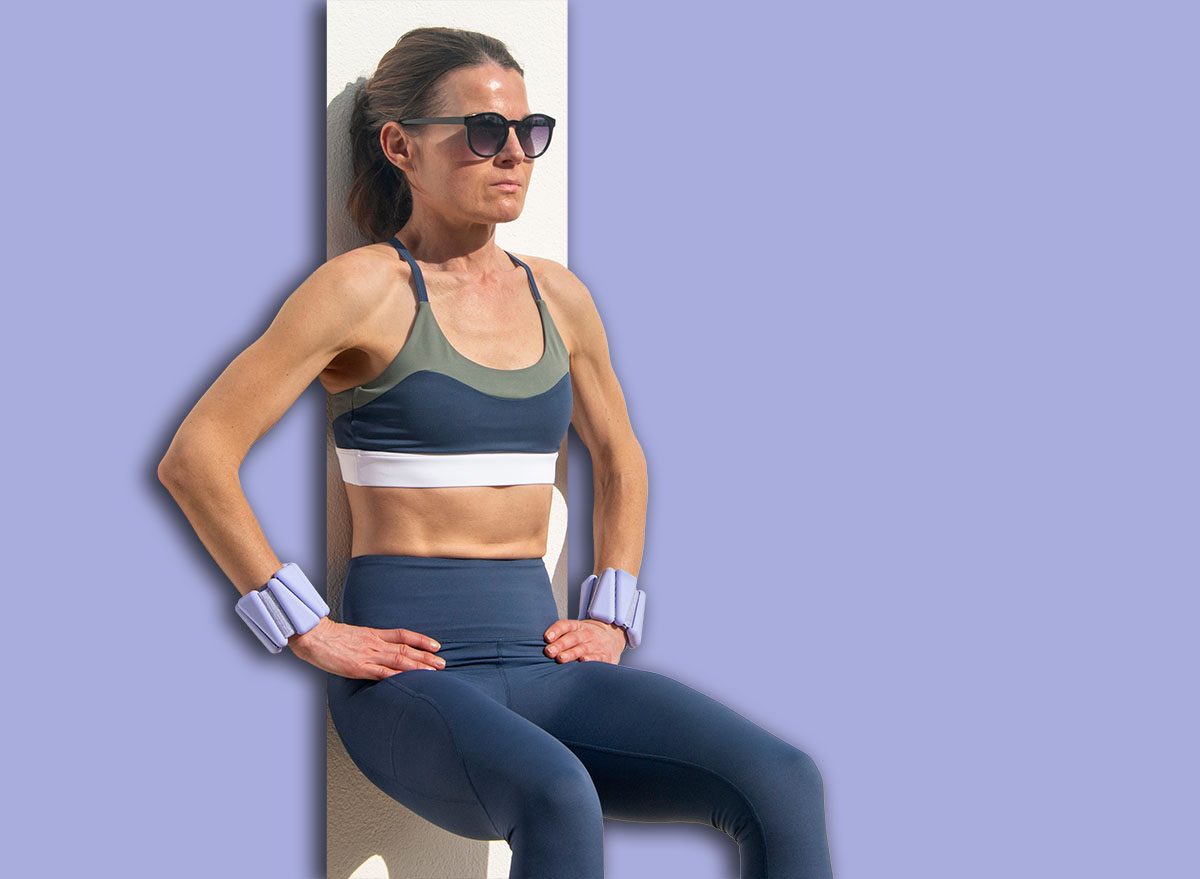
Improving Lower-Body Power After 60: The Benefits of Wall Sits
Holding a wall sit for more than 75 seconds after the age of 60 indicates top-tier lower-body power, force production, and muscle endurance, according to research.
- Wall sits require the quadriceps, glutes, and hips to maintain constant tension, serving as an effective clinical proxy for lower-body force production and functional endurance after age 60.
- Scores under 20 seconds point to an initial building phase, whereas holds exceeding 75 seconds demonstrate elite lower-body power and exceptional joint stability.
Clinical Significance of Lower-Body Power After 60
Lower-body power relies on the neuromuscular system's ability to activate muscle fibers quickly and sustain force production against gravity. Isometric exercises like the wall sit evaluate how effectively the quadriceps and glutes can maintain tension, mirroring joint angles utilized during stair climbing, rising from a seated position, and navigating uneven terrain.
Research published in Gerontology (Steves et al., 2016) demonstrated that leg power is a robust predictor of cognitive and physical aging trajectories. The study evaluated twin cohorts and found that muscular power parameters directly reflect central nervous system integrity and overall physiological resilience. Wall sits challenge these pathways by demanding sustained neural drive to the quadriceps while stabilizing the pelvis through gluteal engagement.
Physiological Mechanisms and Blood Pressure Considerations
The data indicate that while isometric holds temporarily elevate systolic and diastolic pressure during the active strain, incorporating them into a supervised routine supports long-term vascular health and muscular endurance.
During a proper wall sit, the quadriceps undergo continuous isometric loading while the knee joints remain stacked directly over the ankles. This eliminates momentum, forcing the muscle fibers to rely on local oxidative capacity and sustained motor unit recruitment. For individuals managing chronic conditions, consulting a primary care provider prior to undertaking high-intensity isometric testing, ensuring that acute hemodynamic shifts remain within safe parameters.
Standardized Scoring Breakdown for the Wall Sit Test
Evaluating lower-body endurance requires strict adherence to form standards: the back must remain flat against the wall, thighs parallel to the floor, and feet planted firmly without sliding. Based on clinical observation and functional movement standards, scores categorize into four distinct tiers:
- Under 20 seconds: Indicates an initial building phase. Shorter holds performed two to three times weekly help establish fundamental neuromuscular pathways and basic quadriceps endurance.
- 20 to 45 seconds: Represents a solid everyday foundation. The lower extremities possess sufficient control to manage routine activities such as stair climbing and rising from low chairs.
- 45 to 75 seconds: Reflects strong leg endurance. The musculature maintains force output and resists fatigue effectively as time under tension increases.
- 75+ seconds: Signifies top-tier lower-body power and control. The neuromuscular system demonstrates elite capability in maintaining joint alignment and sustained force generation under progressive fatigue.
Future Directions in Functional Longevity and Clinical Care
As longevity research continues to prioritize functional independence, objective physical biomarkers like isometric hold duration provide clinicians with actionable data. Integrating standardized physical performance tests into routine wellness evaluations allows medical teams to detect early signs of sarcopenia and intervene proactively.
Disclaimer: The information provided in this article is for educational and scientific communication purposes only and does not constitute medical advice. Always consult with a qualified healthcare provider regarding any medical condition, diagnosis, or treatment plan.