
India Sees Dramatic Drop in Severe Rotavirus diarrhea Following National Vaccine Rollout
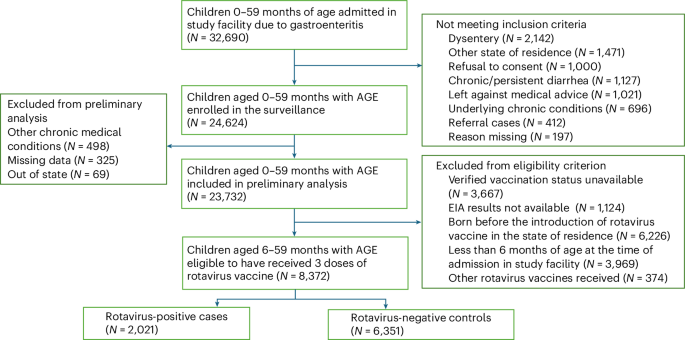
New Delhi – A nationwide study reveals a significant decline in rotavirus-related hospitalizations among Indian children under five following the introduction of the indigenous Rotavac vaccine into the Universal Immunization program in 2016. The research, involving 31 sentinel hospitals, demonstrates the vaccine’s effectiveness in combating a leading cause of severe diarrheal disease.
Prior to the vaccine’s implementation, rotavirus was a major public health concern in India, responsible for a substantial proportion of acute gastroenteritis cases requiring hospitalization. The study focused on assessing the impact of rotavac in five states – Andhra Pradesh, Himachal Pradesh, Haryana, Odisha, and Tamil Nadu – leveraging data from five hospitals that had participated in earlier rotavirus surveillance networks as 2012 (references Kumar et al., Kang et al., and Babji et al.). Researchers compared rotavirus positivity rates in hospitalized children before and after vaccine introduction, analyzing age distribution and overall reduction in cases.
An interrupted time series analysis, a method used to isolate the vaccine’s effect from other influencing factors (reference Hungerford et al.), confirmed a substantial and sustained decrease in rotavirus infections. The findings provide critical evidence supporting the continued success of India’s immunization program and offer valuable insights for similar initiatives in other developing nations. Further details on the study’s methodology are available in the Nature Portfolio Reporting Summary linked to the research.
