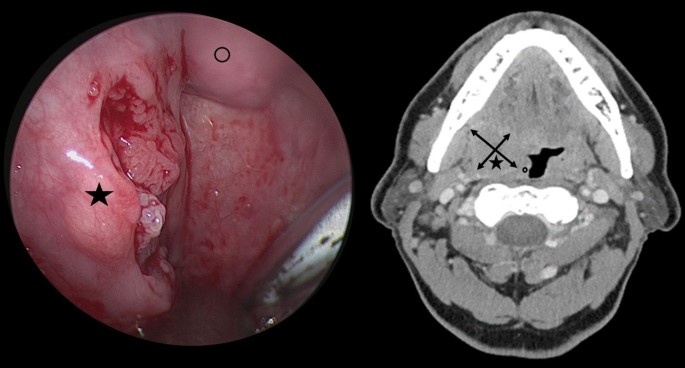
Immunotherapy in Head and Neck Cancer During Perioperative Period
Recent clinical investigations into perioperative immunotherapy for head and neck squamous cell carcinoma (HNSCC) indicate a potential shift in the standard of care, moving toward neoadjuvant and adjuvant checkpoint inhibition to improve long-term survival outcomes. According to a review published in Im Fokus Onkologie by Wald, Wichmann, and Dietz, the integration of immune-checkpoint inhibitors (ICIs) into the perioperative window aims to address the high rates of locoregional recurrence and distant metastasis inherent in locally advanced HNSCC.
Key Clinical Takeaways:
- Perioperative immunotherapy aims to prime the host immune system against micrometastatic disease before surgical resection.
- Current clinical evidence suggests that neoadjuvant administration may offer a biological window to assess pathological response, though standard treatment protocols remain primarily surgery-based.
- Ongoing research focuses on managing immune-related adverse events (irAEs) while optimizing patient selection through biomarker analysis.
The Biological Rationale for Perioperative Intervention
The pathogenesis of HNSCC is characterized by a highly immunosuppressive tumor microenvironment (TME). Research led by Theresa Wald and colleagues highlights that the presence of the primary tumor actively inhibits T-cell infiltration, rendering post-surgical adjuvant therapies less effective against occult micrometastases. By administering PD-1 or PD-L1 inhibitors prior to surgery, clinicians hope to reverse this immunosuppression, allowing for a robust anti-tumor immune response before the physical removal of the tumor burden. This approach is supported by data from PubMed, which consistently demonstrates that neoadjuvant ICI therapy facilitates the expansion of tumor-reactive T-cell clones.

Clinical Evidence and Trial Frameworks
The transition from palliative to curative-intent immunotherapy requires rigorous validation through Phase II and III trials. The current landscape is defined by a comparison between traditional surgery-first approaches and experimental immune-primed protocols. The table below outlines the theoretical clinical advantages currently under investigation in academic centers.
| Phase | Primary Objective | Clinical Significance |
|---|---|---|
| Neoadjuvant | Tumor downstaging and T-cell priming | Allows for pathological response assessment |
| Adjuvant | Elimination of residual micrometastases | Reduces risk of systemic recurrence |
| Perioperative | Combined priming and consolidation | Maximizes long-term disease-free survival |
According to the analysis by Wald et al., the main challenge remains the risk of morbidity, specifically the potential for wound healing complications post-surgery when immunotherapy is administered in the neoadjuvant setting. To mitigate these risks, patients must undergo comprehensive screening by board-certified oncologists who specialize in immunotherapy-driven surgical planning.
Addressing the Challenges of Implementation
The integration of immunotherapy into the perioperative pathway is not without significant regulatory and clinical hurdles. Funding for these investigations is largely supported by pharmaceutical partnerships and academic grants, including those from the German Research Foundation (DFG). As noted by Dr. Gunnar Wichmann, the complexity of managing immune-related toxicities necessitates a multidisciplinary team. This includes not only surgical oncologists but also specialized pathologists and immunologists. For healthcare systems, navigating the logistical requirements of these protocols requires professional oversight. Facilities looking to implement these advanced workflows often retain healthcare compliance attorneys to ensure that evolving clinical trial standards align with regional institutional policies.
“The shift toward perioperative immunotherapy in head and neck cancer represents a fundamental change in how we view the surgical window. It is no longer just about resection; it is about utilizing that period to alter the patient’s long-term relationship with the disease via immune modulation,” states Dr. Andreas Dietz, lead investigator in the referenced study.
Future Trajectories and Patient Management
The trajectory of HNSCC treatment is moving toward personalized medicine, where the sequence of immunotherapy is dictated by the molecular profile of the tumor. As researchers continue to publish findings in journals like Nature, the focus will likely shift to identifying which patient cohorts derive the most benefit from early ICI intervention. Patients facing complex diagnoses should seek care at centers that prioritize clinical trial participation and integrated oncology services. Consulting with specialized head and neck surgeons remains the first step in ensuring that surgical strategies are optimized for the integration of emerging biological therapies.

While the potential for improved survival is significant, the scientific community emphasizes that these protocols are currently experimental outside of controlled clinical settings. Future research will likely focus on combining ICIs with radiation therapy and targeted agents to further enhance response rates while minimizing morbidity.
Disclaimer: The information provided in this article is for educational and scientific communication purposes only and does not constitute medical advice. Always consult with a qualified healthcare provider regarding any medical condition, diagnosis, or treatment plan.